

Operation Process and Working Principle of Trilithium Lithium Gas Solid Conveying Line
Trilithium lithium gas solid conveying lines are advanced industrial systems designed to efficiently transport lithium compounds, particularly those used in modern battery technologies. As a core component in the processing and handling of trilithium lithium materials, these systems combine pneumatic conveying principles with specialized engineering to ensure safe, reliable, and high-efficiency material transport. This article provides a detailed overview of the operation process and working principles of such lines, highlighting key components, operational steps, and the technical advantages they offer.
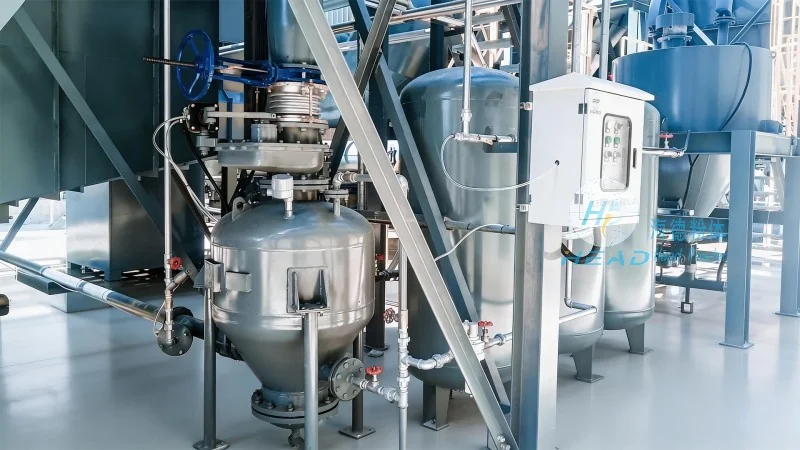
Introduction to Trilithium Lithium Gas Solid Conveying Lines
Trilithium lithium, a critical raw material in the production of lithium-ion batteries, requires precise handling due to its chemical properties and the need for contamination-free processing. Gas solid conveying lines, also known as pneumatic conveying systems, have emerged as a preferred solution for transporting these materials due to their ability to handle fine powders and granules without the need for mechanical contact. The systems are engineered to maintain material integrity, minimize dust generation, and ensure consistent flow rates, making them indispensable in the lithium processing industry.
Key Components of the Trilithium Lithium Gas Solid Conveying Line
The trilithium lithium gas solid conveying line typically consists of several interconnected components that work in tandem to facilitate material transport. The primary components include a material feed hopper, a conveying pipeline, a pressure or vacuum source (such as a blower or vacuum pump), a control system, and a discharge unit. Each component plays a crucial role in the overall operation, ensuring smooth and efficient material movement from the source to the destination.
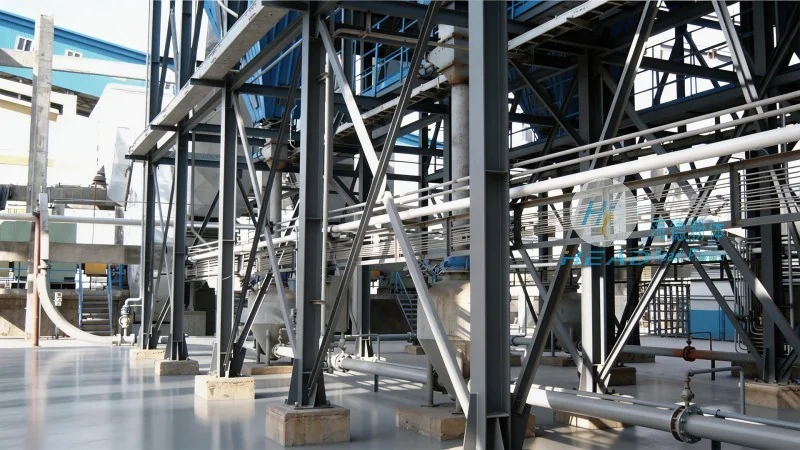
The material feed hopper is responsible for storing and feeding the trilithium lithium material into the conveying system. It is designed with a hopper geometry that minimizes material bridging and ensures a consistent flow rate. The hopper is equipped with a rotary valve or a gate valve to control the discharge of material into the pipeline. This component is critical for maintaining a steady supply of material to the conveying line, preventing interruptions or blockages.
The conveying pipeline is the main channel through which the trilithium lithium material is transported. It is typically made of stainless steel or other corrosion-resistant materials to withstand the chemical properties of the lithium compounds and prevent contamination. The pipeline is designed with smooth internal surfaces to minimize friction and ensure consistent flow. The pipeline may include bends, elbows, and straight sections, each carefully engineered to maintain the material's velocity and prevent deposition or clogging.
The pressure or vacuum source provides the necessary force to move the material through the pipeline. In a pressure system, a blower or compressor generates positive pressure that pushes the material forward. In a vacuum system, a vacuum pump creates a negative pressure that pulls the material into the pipeline. The choice between pressure and vacuum depends on the material characteristics, the distance to be conveyed, and the system design. The source is connected to the pipeline via a duct or a pipe, ensuring a continuous flow of air or gas that carries the material.
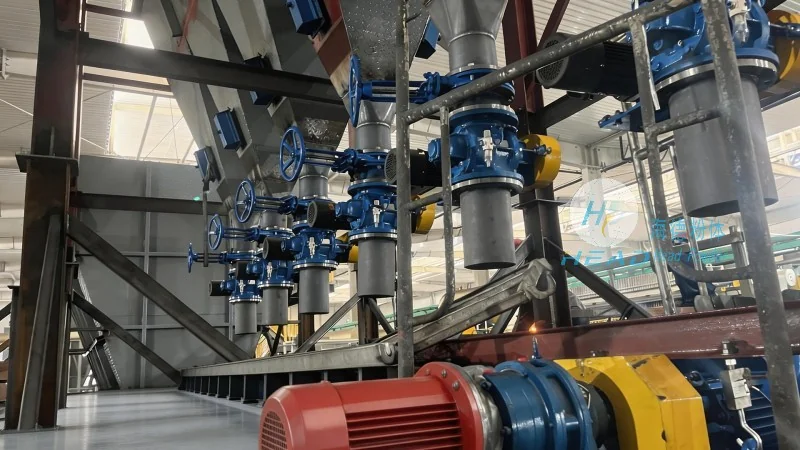
The control system is responsible for monitoring and regulating the operation of the conveying line. It includes sensors to measure pressure, flow rate, and material level, as well as controllers to adjust the speed of the blower or vacuum pump, the feed rate of the material, and other parameters. The control system ensures that the conveying line operates within safe and efficient parameters, preventing overloading, underloading, or other operational issues. It may also include alarms and safety features to alert operators in case of abnormal conditions.
The discharge unit is the final component of the conveying line, where the trilithium lithium material is released from the pipeline. It is typically a receiving hopper or a storage tank that collects the material and prepares it for further processing or use. The discharge unit is equipped with a valve or a gate to control the release of material, ensuring a controlled and steady flow. In some systems, the discharge unit may include a dust collection system to capture any fine particles that may have escaped during transport, ensuring environmental compliance and material safety.
Working Principle of the Trilithium Lithium Gas Solid Conveying Line
The working principle of a trilithium lithium gas solid conveying line is based on the principles of fluid dynamics and particle transport. The system operates by creating a flow of air or gas through the pipeline, which carries the trilithium lithium material as a suspension. The material is entrained by the moving air, and the combined flow moves the material from the feed hopper to the discharge unit. The key to efficient operation is maintaining a consistent velocity of the air-gas mixture, which is sufficient to keep the material suspended and prevent it from settling or depositing on the pipeline walls.
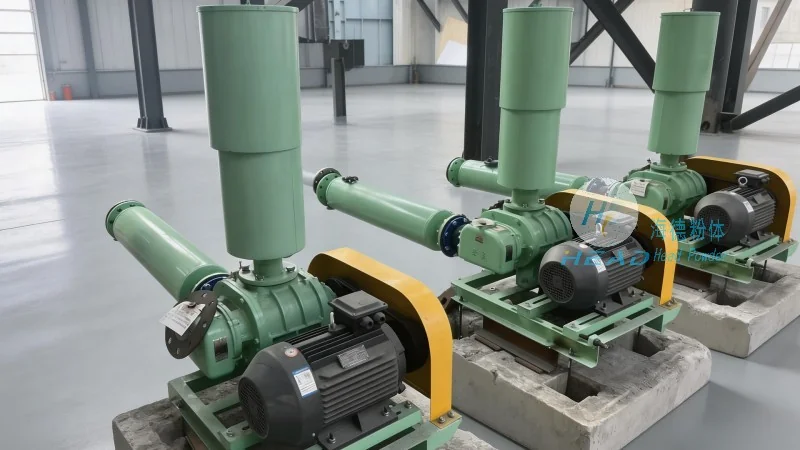
In a pressure conveying system, the blower generates positive pressure that pushes the air-gas mixture through the pipeline. The material is introduced into the pipeline at a controlled rate, and the air velocity is maintained above the minimum fluidization velocity of the trilithium lithium particles. This ensures that the particles remain suspended and are transported efficiently. The pressure drop along the pipeline is carefully managed to ensure that the material reaches the discharge unit without losing velocity or causing blockages.
In a vacuum conveying system, the vacuum pump creates a negative pressure that pulls the air-gas mixture and the material into the pipeline. The material is drawn from the feed hopper into the pipeline, and the vacuum is maintained at a level sufficient to overcome the resistance of the pipeline and the material's weight. The vacuum system is particularly useful for conveying materials over long distances or in applications where a gentle handling of the material is required, as it minimizes particle breakage and degradation.