

Operation Process and Working Principle of Capsule Pneumatic Conveying Lines
HeadPowder, a leading engineering company based in Shandong, China, specializes in the design, manufacturing, and installation of advanced pneumatic conveying systems. Among their product portfolio is the capsule pneumatic conveying line, a sophisticated solution for efficient material transport in various industrial applications. This article provides an in-depth look at the operation process and working principle of these systems, highlighting their efficiency, reliability, and versatility.
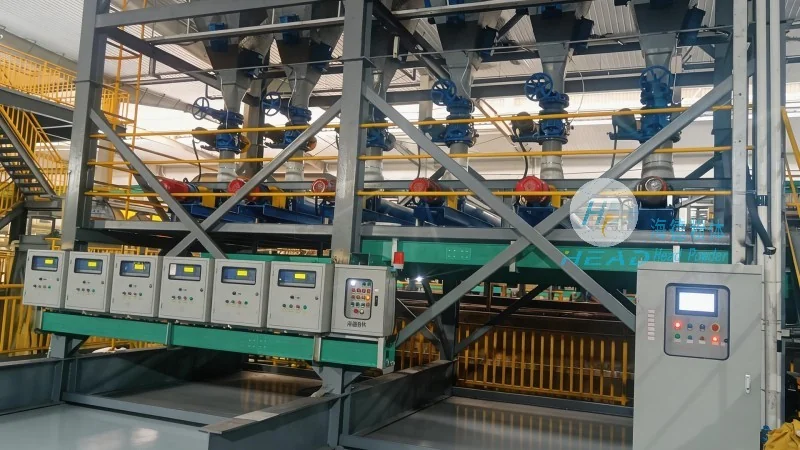
Introduction to Capsule Pneumatic Conveying Lines
The capsule pneumatic conveying line is a type of pneumatic conveying system that uses a series of capsules or containers to transport bulk materials through a pipeline under pressure. Unlike traditional systems that rely on a single pipe or multiple pipes, the capsule system employs a modular design with individual capsules that can be filled, sealed, and transported independently. This design offers several advantages, including reduced material degradation, improved safety, and enhanced flexibility in material handling. The system is particularly suitable for transporting sensitive materials such as powders, granules, and fine particles, where maintaining product integrity is crucial.
Key Components of the Capsule Pneumatic Conveying System
The capsule pneumatic conveying line consists of several key components that work together to ensure smooth and efficient operation. These components include the material feed hopper, the capsule filling and sealing unit, the pneumatic conveying pipeline, the capsule discharge and unsealing unit, and the control system. The material feed hopper is responsible for storing and feeding the bulk material into the system. The capsule filling and sealing unit then takes the material from the hopper and fills it into individual capsules, which are then sealed to prevent material leakage during transport. The pneumatic conveying pipeline transports the sealed capsules from the filling unit to the discharge point. The capsule discharge and unsealing unit receives the capsules at the destination, opens them, and releases the material into the receiving container. The control system monitors and regulates the entire process, ensuring optimal performance and safety.
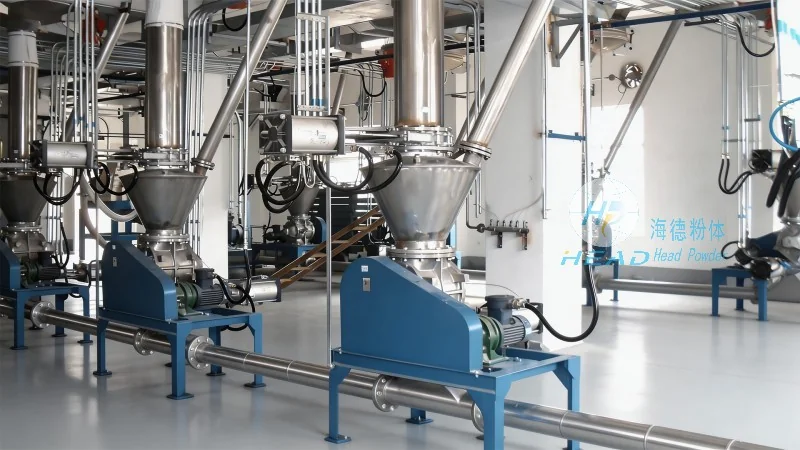
Operation Process of the Capsule Pneumatic Conveying Line
The operation process of the capsule pneumatic conveying line involves several sequential steps. First, the bulk material is loaded into the material feed hopper. The hopper then feeds the material into the capsule filling unit, where each capsule is filled with a predetermined amount of material. The filled capsules are then sealed to maintain the material integrity. Next, the sealed capsules are transported through the pneumatic pipeline using compressed air. The compressed air creates a pressure differential that propels the capsules forward. The capsules travel through the pipeline until they reach the discharge point. At the discharge point, the capsules are opened, and the material is released into the receiving container. The empty capsules are then returned to the filling unit to be refilled and reused. This cycle repeats continuously, ensuring a steady flow of material from the source to the destination.
Working Principle of the Capsule Pneumatic Conveying System
The working principle of the capsule pneumatic conveying system is based on the principles of pneumatic transport and capsule mechanics. The system operates by using compressed air to create a pressure differential between the inlet and outlet of the pipeline. This pressure differential propels the sealed capsules through the pipeline. The capsules are designed to be lightweight and aerodynamic, which reduces the energy required for transport. The filling and sealing unit ensures that the capsules are filled with the correct amount of material and sealed properly to prevent leakage. The discharge unit uses a controlled opening mechanism to release the material without causing excessive pressure or material loss. The control system monitors the pressure, flow rate, and other parameters to ensure that the system operates within safe and efficient limits. This integrated approach ensures that the capsule pneumatic conveying line can handle a wide range of materials with high efficiency and minimal maintenance.
Advantages of Capsule Pneumatic Conveying Lines
The capsule pneumatic conveying line offers several advantages over traditional pneumatic conveying systems. One of the main advantages is the ability to maintain the integrity of the transported material. The sealed capsules prevent material from coming into contact with the pipeline or air, which reduces the risk of contamination, degradation, or dust generation. This is particularly important for sensitive materials such as pharmaceuticals, food products, and chemicals. Another advantage is the flexibility of the system. The capsules can be transported through existing pipelines or new installations, and the system can be easily expanded or modified to accommodate changing production needs. The modular design also allows for easy maintenance and repair, as individual components can be replaced without disrupting the entire system. Additionally, the system is highly efficient in terms of energy consumption and material handling, reducing operational costs and improving overall productivity.
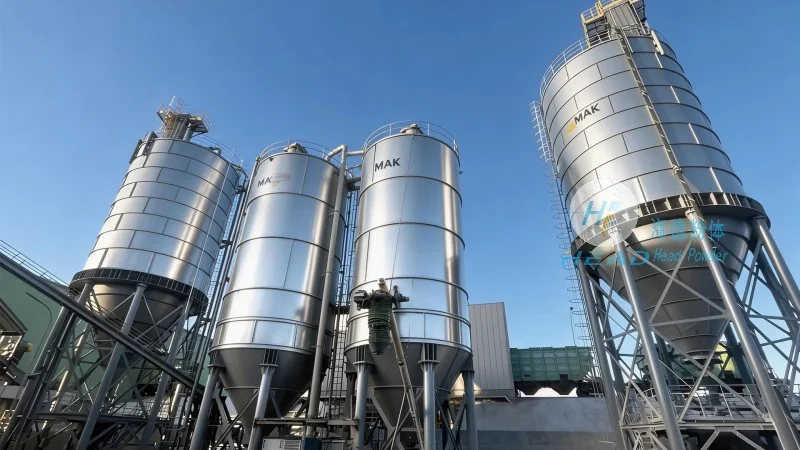
Applications of Capsule Pneumatic Conveying Lines
The capsule pneumatic conveying line is widely used in various industrial applications where efficient and safe material transport is required. Some common applications include the pharmaceutical industry, where it is used to transport active pharmaceutical ingredients (APIs) and other sensitive materials. In the food industry, it is used to transport powders, granules, and other food products, ensuring that the materials remain fresh and uncontaminated. The chemical industry also uses the system to transport chemicals, solvents, and other hazardous materials, providing a safe and efficient method of transport. Additionally, the system is used in the cement, mining, and agricultural industries to transport bulk materials such as cement, ore, and grain. The versatility of the capsule pneumatic conveying line makes it an ideal solution for a wide range of industrial applications.
Conclusion
In conclusion, the capsule pneumatic conveying line is a sophisticated and efficient solution for material transport in various industrial applications. The system's design, which includes sealed capsules and a modular structure, ensures that materials are transported safely and with minimal degradation. The operation process is straightforward and can be easily controlled and monitored. The working principle is based on the principles of pneumatic transport and capsule mechanics, which allows for high efficiency and low energy consumption. The advantages of the system, including its ability to maintain material integrity, flexibility, and low maintenance, make it a popular choice for many industries. As a leading engineering company, HeadPowder provides high-quality capsule pneumatic conveying lines that are designed to meet the specific needs of their clients. With their expertise and experience, HeadPowder is committed to providing reliable and efficient material transport solutions for their customers.