

The Operation Process and Working Principle of a Pyrolysis Char Pneumatic Conveying Line
Pyrolysis char, a valuable byproduct from the pyrolysis process, often requires efficient and reliable transportation systems to move it from production sites to processing or storage facilities. The pneumatic conveying line is a key technology in achieving this, offering a method to transport the material through a pipeline using air pressure. This article will explore the operation process and working principle of such a system, highlighting its components, operational steps, and the benefits it provides.
About HeadPowder Engineering
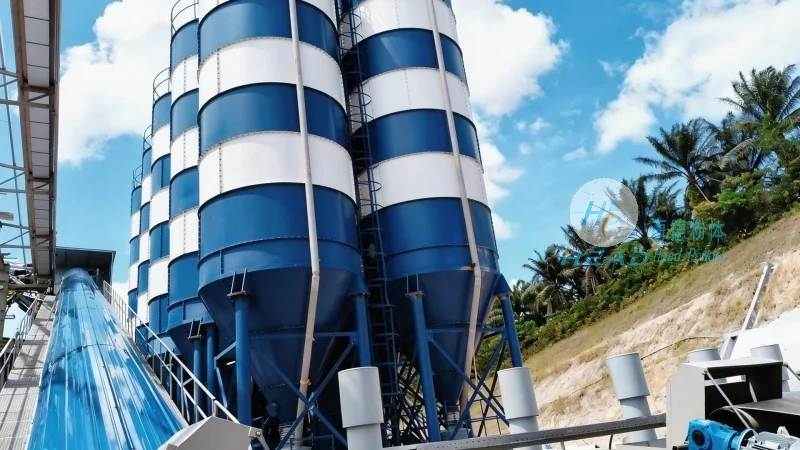
HeadPowder, the professional provider of pyrolysis char handling solutions, is represented by Shandong HeadPowder Engineering Co., Ltd. Based in Shandong, China, the company specializes in designing and manufacturing advanced pneumatic conveying systems tailored for the pyrolysis industry. Their expertise ensures that the equipment meets the specific demands of char transportation, focusing on efficiency, durability, and safety.
Working Principle of Pneumatic Conveying
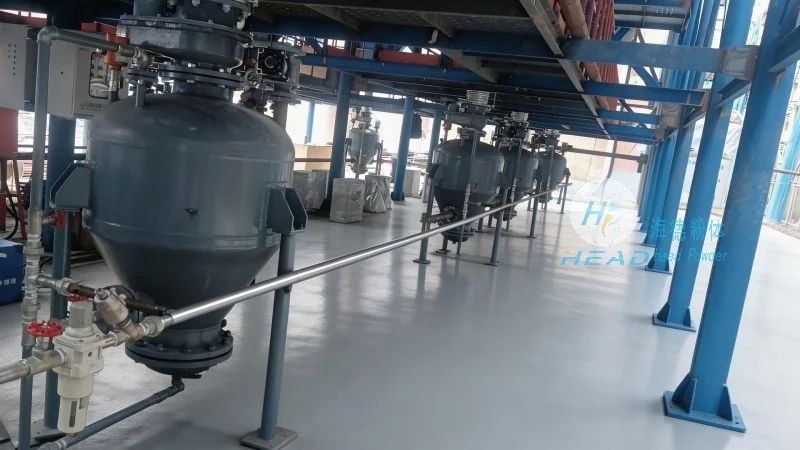
The core of a pyrolysis char pneumatic conveying line is the use of air to move the solid material. The system typically operates under positive pressure, where compressed air is introduced into the pipeline, creating a flow that carries the char particles. Key components include the material feed system, the conveying pipeline, the air supply unit, and the control system. The material is first fed into the system, often through a hopper or feeder, which ensures a consistent flow. The air then propels the char through the pipeline, with the velocity and pressure maintained to prevent particle segregation and blockages. The system may also include cyclones or filters to separate the air from the char at the receiving end, allowing for clean material discharge.
Operation Process of the Pneumatic Conveying Line
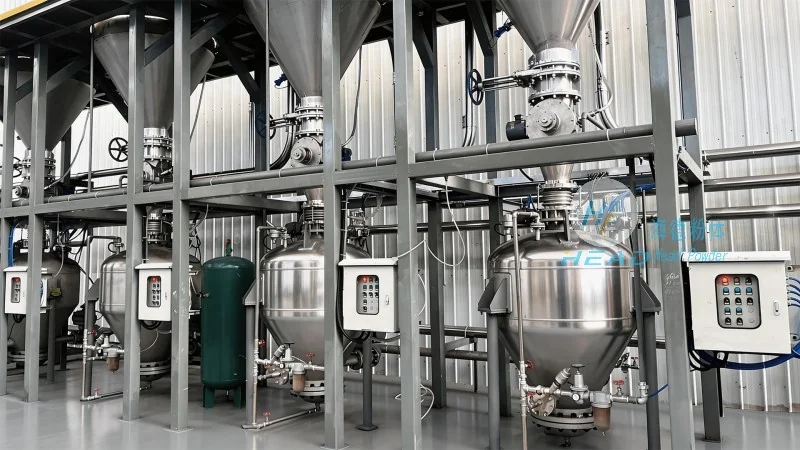
The operation process of a pyrolysis char pneumatic conveying line involves several sequential steps, each critical to the efficient movement of the material. First, the pyrolysis char is collected from the pyrolysis reactor and transferred to the feeding hopper. The feeder then regulates the flow rate, ensuring a steady supply of material into the conveying line. Next, the compressed air is supplied to the pipeline, creating the necessary pressure and velocity to transport the char. The material travels through the pipeline, with the air maintaining the flow until it reaches the destination point, such as a storage silo or processing unit. At the receiving end, the air and char are separated, typically using a cyclone separator or a filter. The separated air is then discharged, while the char is collected in the receiving container. The system is equipped with control mechanisms to monitor pressure, flow rate, and material level, ensuring optimal performance and preventing operational issues like blockages or pressure drops.
Key Components of the Pneumatic Conveying System
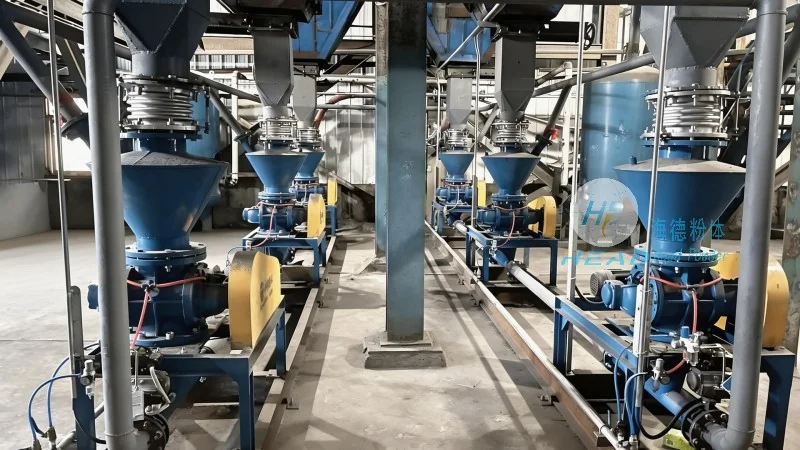
Several essential components work together to ensure the smooth operation of the pyrolysis char pneumatic conveying line. The material feeder, such as a screw feeder or a rotary valve, is responsible for delivering the char to the pipeline at a controlled rate. The conveying pipeline, usually made of stainless steel or other corrosion-resistant materials, is designed to withstand the pressure and temperature of the system. The air supply unit, including a compressor and air treatment equipment, provides the necessary compressed air with proper filtration to prevent contamination. The control system, which may include sensors and a programmable logic controller (PLC), monitors and adjusts the system parameters to maintain optimal performance. Additionally, the system may include safety features like pressure relief valves and check valves to prevent over-pressurization and ensure safe operation.
Benefits and Applications
The use of a pyrolysis char pneumatic conveying line offers several advantages for the pyrolysis industry. It provides a clean and efficient method of transporting char, reducing the need for manual handling and associated risks. The system is also capable of handling large volumes of material, making it suitable for industrial-scale operations. Additionally, the enclosed pipeline design minimizes dust emissions and environmental impact, contributing to a safer and more sustainable operation. HeadPowder Engineering's solutions are designed to meet these needs, offering customized systems that enhance the efficiency and reliability of char transportation in pyrolysis plants.