

Operation Process and Working Principle of Fish Meal Pneumatic Conveying Line
For companies in the fish meal processing industry, efficient and reliable material handling is crucial to maintaining production efficiency and product quality. The fish meal pneumatic conveying line, as a key equipment system, plays a vital role in transporting fish meal from storage to processing or packaging areas. This article will delve into the operation process and working principle of such lines, providing a comprehensive understanding of how they function and the key components involved.
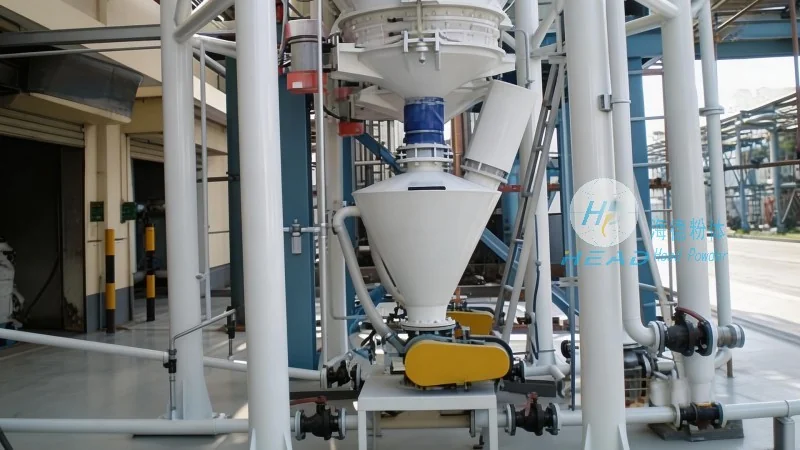
Key Components of a Fish Meal Pneumatic Conveying System
The fish meal pneumatic conveying line typically consists of several core components that work in tandem to ensure smooth material transport. The main components include the hopper (for material storage and feeding), the air compressor (to generate the necessary air pressure), the conveying pipeline (to transport the material), the dust collector (to filter and remove airborne particles), and the control system (to regulate the entire process). Each component is designed to handle the specific characteristics of fish meal, such as its fine particle size and potential moisture content, ensuring optimal performance.
The Working Principle of Pneumatic Conveying
The fundamental principle of pneumatic conveying is the use of compressed air to move material through a pipeline. In the case of fish meal, the process begins with the material being fed from the hopper into the conveying line. The air compressor then generates a high-pressure air stream, which is introduced into the pipeline. As the air flows through the line, it lifts and propels the fish meal particles forward. The speed and pressure of the air are carefully controlled to prevent material degradation, clogging, or excessive wear on the equipment. The conveying process can be either positive pressure (where air is forced into the line) or negative pressure (where air is drawn out), with positive pressure being more common for fish meal applications due to its ability to handle fine powders effectively.
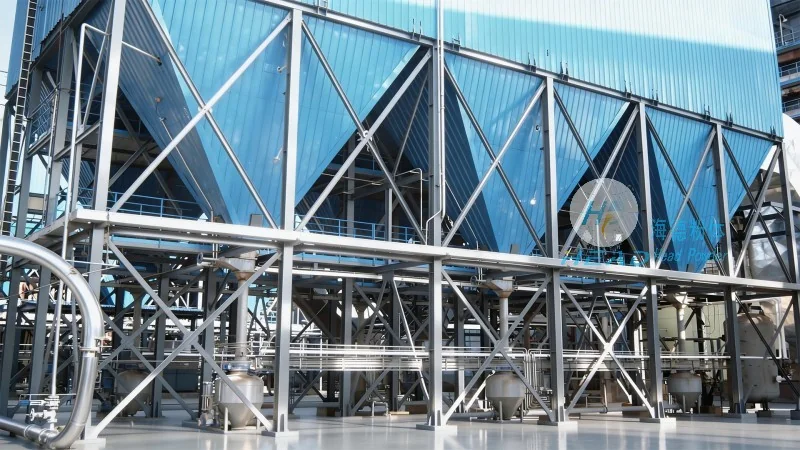
Operation Process of the Fish Meal Pneumatic Conveying Line
The operation process of a fish meal pneumatic conveying line involves several sequential steps, each critical to the overall efficiency of the system. The process starts with material loading: fish meal is stored in the hopper, and the control system initiates the feeding mechanism, allowing the material to enter the conveying line. Next, the air compressor activates, generating the required air pressure to start the conveying process. As the air flows, the fish meal particles are carried through the pipeline to the destination point, such as a silo or packaging machine. The control system continuously monitors the pressure, flow rate, and material level, adjusting the air supply as needed to maintain a stable conveying rate. At the end of the line, the material is discharged into the receiving container, and the air is filtered by the dust collector to prevent dust emissions. The entire process is automated, with minimal human intervention required, ensuring consistent and reliable operation.
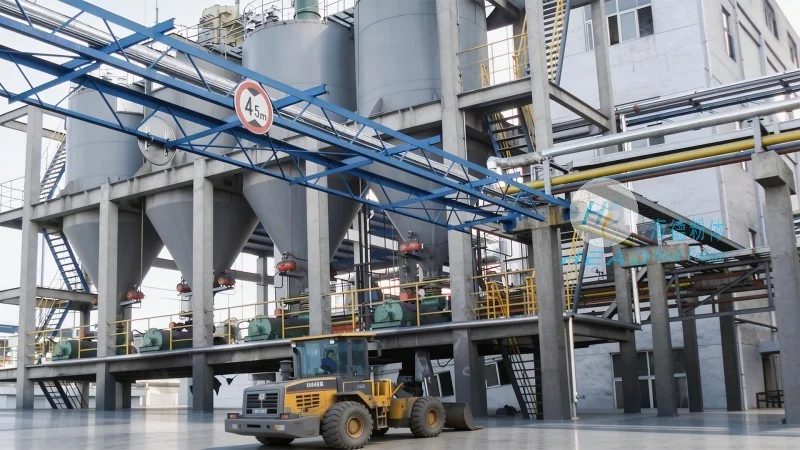
Benefits and Considerations for Fish Meal Pneumatic Conveying
Implementing a fish meal pneumatic conveying line offers several advantages for fish meal processing facilities. These include improved material handling efficiency, reduced labor costs, and enhanced product quality by minimizing material exposure to the environment. The system also helps in maintaining a clean and safe working environment by containing dust and preventing cross-contamination. However, there are considerations to keep in mind, such as the need for regular maintenance of the air compressor and pipeline to prevent clogging or wear, and the importance of proper sizing of the components to match the material flow rate and pipeline length. Additionally, the system's energy consumption should be managed effectively to ensure cost-efficiency.
About Shandong HeadPowder Engineering Co., Ltd.
Shandong HeadPowder Engineering Co., Ltd., operating under the brand name headpowder, is a leading manufacturer specializing in the design, manufacturing, and installation of pneumatic conveying systems for the food processing industry. With a focus on quality and innovation, the company has developed expertise in creating customized solutions tailored to the specific needs of fish meal processing facilities. Headpowder's team of engineers and technicians work closely with clients to understand their operational requirements and provide solutions that enhance efficiency and reliability. The company's facilities are located in Shandong, China, where it leverages advanced technology and rigorous quality control processes to deliver high-performance equipment that meets international standards.