

Operation Process and Working Principle of Powder Bin Pneumatic Conveying Lines
HeadPowder, a leading manufacturer based in Shandong, China, specializes in the design, production, and installation of advanced pneumatic conveying systems tailored for powder handling applications. The company's core product, the powder bin pneumatic conveying line, represents a sophisticated solution for efficiently transporting bulk powders from storage bins to processing units or packaging stations. This article delves into the operational workflow and underlying principles of such systems, highlighting their efficiency, reliability, and adaptability in industrial settings.
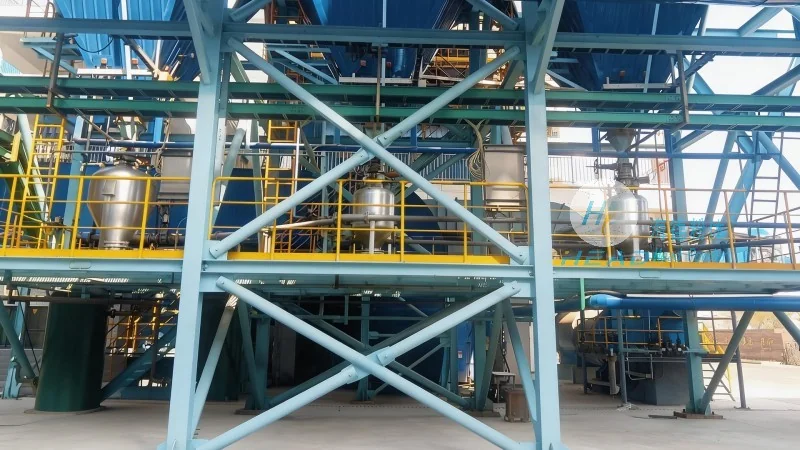
Understanding the Core Components of a Powder Bin Pneumatic Conveying Line
The powder bin pneumatic conveying line typically consists of several key components that work in concert to achieve seamless material transfer. At the heart of the system is the powder bin, which serves as the primary storage vessel for bulk powders. The bin is equipped with a discharge valve or feeder that controls the flow of material into the conveying line. A critical component is the air compressor or blower, which generates the necessary air pressure to move the powder particles through the system. The conveying line itself comprises a network of pipes, often with bends and elbows, that guide the powder from the bin to the destination point. Additionally, a filter system is integrated to capture any fine particles and return them to the bin, ensuring minimal material loss and maintaining system cleanliness. The control panel, managed by the company's engineers, allows for real-time monitoring and adjustment of operational parameters, such as air pressure and flow rate, to optimize performance.
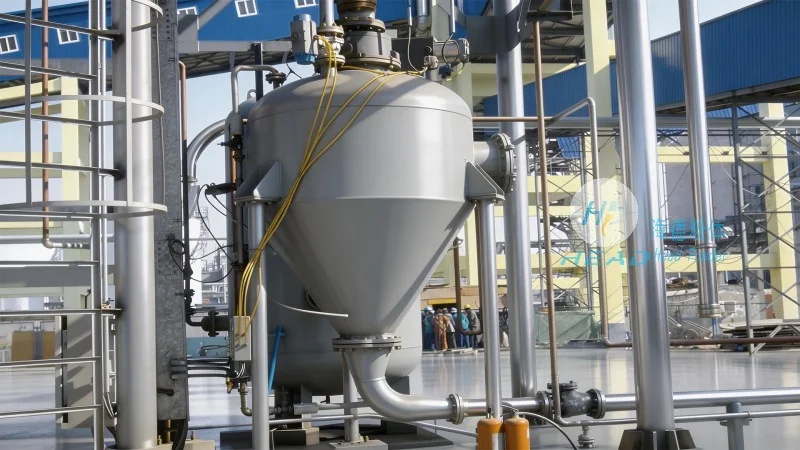
The Step-by-Step Operation Process of the Powder Bin Pneumatic Conveying Line
The operation of a powder bin pneumatic conveying line follows a systematic sequence of steps, each designed to ensure efficient and safe material transfer. The process begins with the preparation phase, where the powder is loaded into the bin and the system is checked for any obstructions or leaks. Once the bin is filled and the system is ready, the air compressor is activated, generating the required air pressure. The discharge valve in the bin is then opened, allowing the powder to enter the conveying line. As the air flows through the pipes, it creates a low-pressure zone that draws the powder particles into the stream, forming a dense phase flow. The powder travels through the pipeline network, navigating bends and changes in direction, until it reaches the destination point, such as a mixer, dryer, or packaging machine. At the end of the line, a receiver or hopper collects the powder, and the air is filtered and returned to the system, completing the cycle. The control panel continuously monitors the system's performance, adjusting air pressure and flow as needed to maintain consistent material delivery. This automated process minimizes human intervention, reduces labor costs, and enhances operational efficiency.
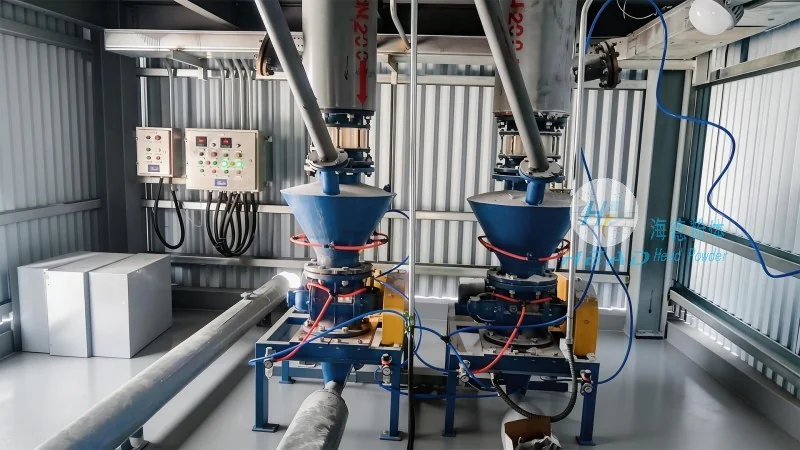
Working Principle: How the System Transfers Powder Efficiently
The working principle of a powder bin pneumatic conveying line is based on the fundamental physics of fluid dynamics and particle motion. The system operates on the principle of pneumatic transport, where air is used as the medium to move solid particles. The key mechanism involves creating a pressure differential between the inlet and outlet of the conveying line. The air compressor provides the necessary pressure, while the discharge valve controls the flow of powder into the system. As air and powder mix, the air velocity is sufficient to overcome the gravitational force acting on the powder particles, allowing them to be carried through the pipeline. The dense phase conveying method, commonly used in such systems, ensures that the powder particles remain in close contact with the air, reducing particle breakage and minimizing dust generation. This method is particularly effective for handling fine powders, as it maintains the integrity of the material during transport. The filter system at the end of the line captures any fine particles that may have escaped, preventing contamination and ensuring the powder remains within the system. By leveraging the principles of fluidization and pressure differential, the powder bin pneumatic conveying line achieves high efficiency in material transfer, with minimal energy consumption and low maintenance requirements.
Advantages of Using a Powder Bin Pneumatic Conveying Line in Industrial Applications
Implementing a powder bin pneumatic conveying line offers numerous advantages for industrial operations, particularly in sectors dealing with bulk powders such as pharmaceuticals, food processing, chemicals, and minerals. One of the primary benefits is the ability to handle a wide range of powder types, from fine powders to bulkier granules, without the need for mechanical components like conveyors or belts that can cause material degradation or contamination. The system is also highly flexible, as it can be customized to fit specific plant layouts and operational requirements. This adaptability allows for easy integration into existing production lines or new facility designs. Additionally, the pneumatic conveying system reduces the risk of product cross-contamination, as the material is enclosed within the pipeline, preventing exposure to external elements or human contact. The automated control system enhances operational safety by minimizing the need for manual handling of powders, which can be hazardous due to dust inhalation or material handling risks. From an efficiency standpoint, the system offers consistent and continuous material flow, reducing downtime and improving overall productivity. The low maintenance requirements and long service life of the components further contribute to cost savings over the system's lifespan. Overall, the powder bin pneumatic conveying line provides a reliable, efficient, and safe solution for bulk powder handling, making it an essential component in modern industrial operations.
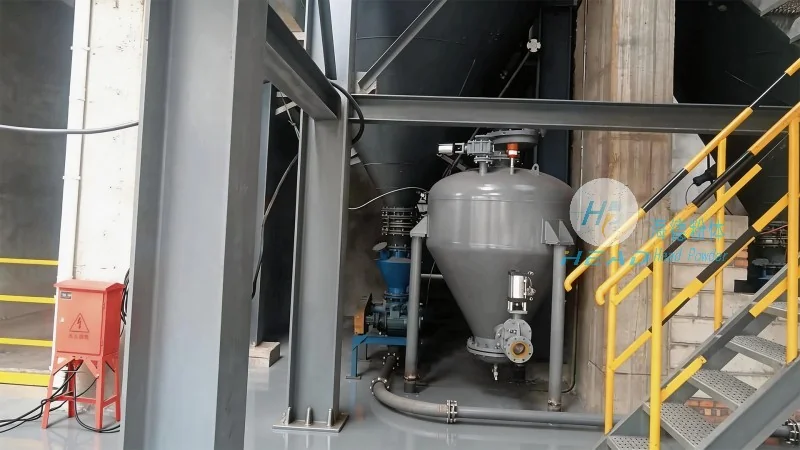
Conclusion: The Role of HeadPowder in Providing Advanced Pneumatic Conveying Solutions
HeadPowder Engineering Co., Ltd., based in Shandong, China, stands as a trusted provider of high-quality powder bin pneumatic conveying lines. The company's commitment to innovation and customer satisfaction has positioned it as a leader in the industry, offering tailored solutions that meet the specific needs of various industrial applications. By leveraging advanced engineering and rigorous quality control, HeadPowder ensures that its systems deliver optimal performance, reliability, and durability. The company's expertise in designing and installing pneumatic conveying lines has helped numerous clients improve their operational efficiency, reduce costs, and enhance product quality. As industrial demands for efficient powder handling continue to grow, HeadPowder remains at the forefront of developing cutting-edge solutions that address the evolving needs of the market. With a focus on customer-centric approaches and continuous improvement, HeadPowder is dedicated to providing reliable and effective pneumatic conveying systems that contribute to the success of its clients' operations.