

Operation Process and Working Principle of Magnesia Powder Pneumatic Conveying Line
For industrial applications involving magnesia powder, efficient material handling is crucial to maintain production efficiency and safety. Pneumatic conveying lines represent a sophisticated solution that addresses these needs by transporting powders through a pressurized air system. This article explores the operation process and working principle of a magnesia powder pneumatic conveying line, highlighting key components, operational steps, and the advantages of this technology.
Understanding Pneumatic Conveying Systems for Magnesia Powder
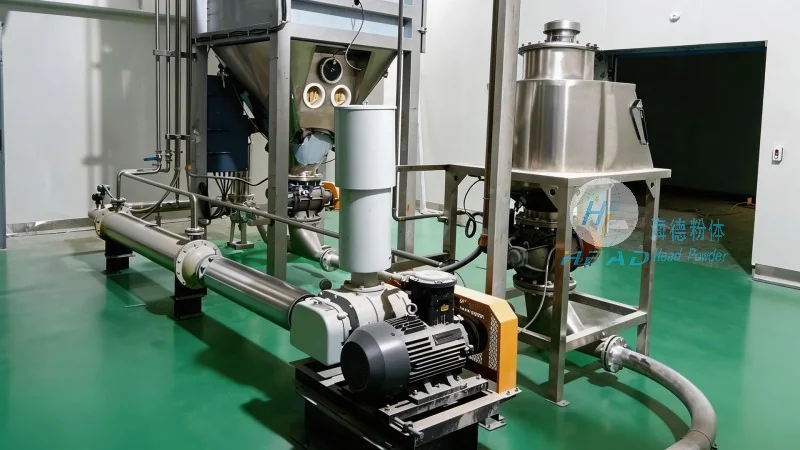
Pneumatic conveying, also known as air conveying, is a method of transporting bulk materials, such as powders, granules, or small particles, using a flow of air or gas. In the context of magnesia powder— a common industrial material used in refractory, construction, and chemical industries— this technology offers a clean, dust-free, and efficient means of moving material from one location to another. The system typically consists of several interconnected components that work in tandem to ensure reliable and continuous operation.
Key Components of a Magnesia Powder Pneumatic Conveying Line
The core components of a magnesia powder pneumatic conveying line include: the feed hopper, which stores and feeds the powder into the system; the air compressor or blower, which generates the necessary air pressure; the conveying pipeline, which transports the powder-air mixture; the separation and collection equipment, such as cyclones or filters, that separate the powder from the air; and the discharge hopper or outlet, where the material is deposited. Each component plays a critical role in the overall performance and efficiency of the system.
Working Principle of the System
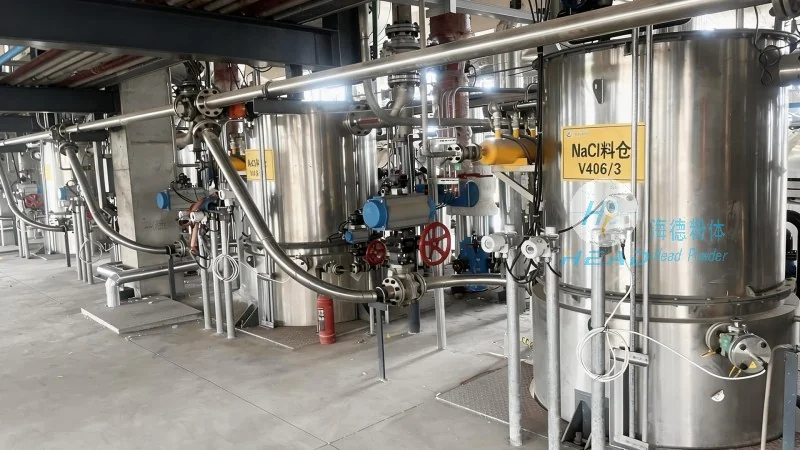
The working principle of a magnesia powder pneumatic conveying line relies on the principle of fluidization and pneumatic transport. When the air compressor operates, it forces air through the conveying pipeline at a high velocity. This airflow creates a pressure differential that draws the magnesia powder from the feed hopper into the pipeline. The powder particles are suspended in the air stream, forming a dense phase or dilute phase mixture depending on the system design and operating conditions. The separation equipment then uses centrifugal force to separate the powder from the air, allowing the air to be recirculated or discharged, while the powder is collected for further use.
Operation Process: Step-by-Step Execution
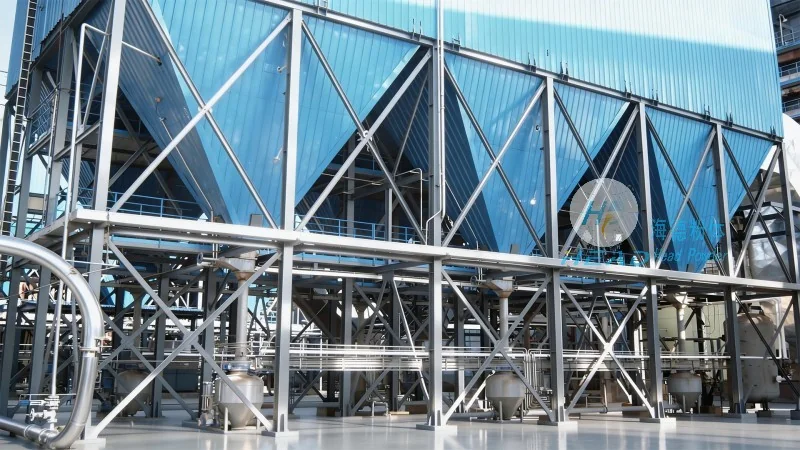
The operation of a magnesia powder pneumatic conveying line follows a systematic sequence to ensure smooth and continuous material transport. The process typically begins with the preparation phase, where the feed hopper is filled with magnesia powder and the system is checked for proper air pressure and component functionality. Once the system is ready, the air compressor is activated, and the feed valve is opened to allow the powder to enter the pipeline. The powder-air mixture travels through the conveying pipeline to the separation unit, where the powder is collected and the air is filtered. The collected powder is then transferred to the discharge hopper or storage area. The system continues to operate until the feed hopper is empty or the required amount of material has been transported. At the end of the operation, the system is shut down by first stopping the air compressor and then closing the feed valve to prevent backflow.
Efficiency and Advantages in Magnesia Powder Handling
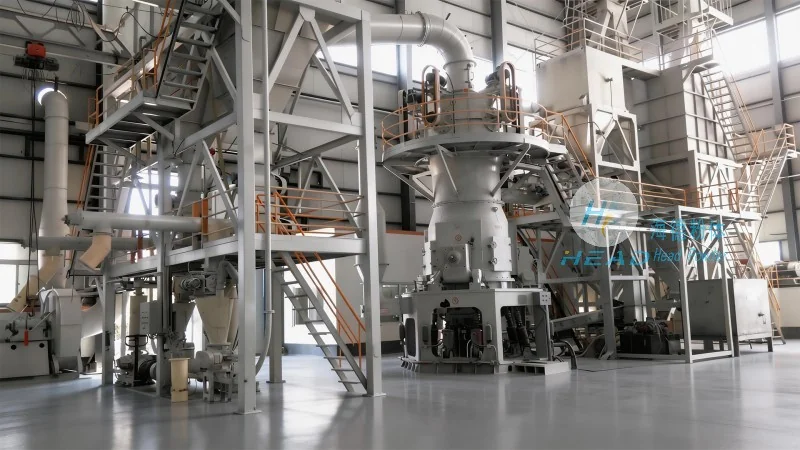
Compared to traditional mechanical conveying methods, such as screw conveyors or belt conveyors, pneumatic conveying offers several advantages for magnesia powder handling. These include reduced dust generation, which improves workplace safety and environmental compliance; lower maintenance requirements due to fewer moving parts; and the ability to transport materials over long distances with minimal loss. Additionally, the system can be easily integrated with other industrial processes, such as mixing or packaging, to create a seamless material flow. For companies operating in the magnesia industry, investing in a properly designed pneumatic conveying line can lead to increased productivity, reduced operational costs, and improved product quality.
Application and Implementation by Shandong HeadPowder Engineering Co., Ltd.
Shandong HeadPowder Engineering Co., Ltd., a leading provider of material handling solutions, specializes in designing and manufacturing pneumatic conveying systems tailored to the specific needs of magnesia powder applications. With years of experience in the industry, the company has developed expertise in optimizing system performance, ensuring reliable operation, and meeting the stringent requirements of industrial clients. The company’s engineers work closely with clients to assess their material handling challenges, recommend appropriate system configurations, and provide installation and maintenance services. By leveraging advanced technology and a customer-centric approach, Shandong HeadPowder Engineering Co., Ltd. helps businesses in the magnesia sector achieve efficient, safe, and cost-effective material transport solutions.