

Operation Process and Working Principle of Grain Particle Pneumatic Conveying Lines
Grain particle pneumatic conveying lines are critical infrastructure in contemporary agricultural and food processing sectors, engineered to efficiently transport bulk materials such as grains, seeds, and other granular products. These systems utilize pneumatic technology to move materials through a pipeline network, offering advantages over traditional mechanical conveyors, including reduced labor costs, enhanced hygiene, and improved operational safety. The operation of these lines involves a series of interconnected components that collaborate to ensure smooth and reliable material transfer. A thorough understanding of the operation process and working principle is essential for optimizing performance and maintaining efficiency in grain handling operations.
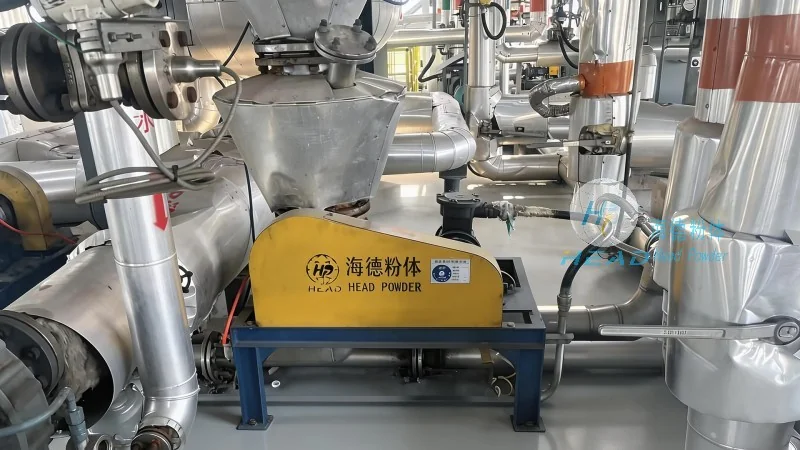
About Shandong HeadPowder Engineering Co., Ltd.
Shandong HeadPowder Engineering Co., Ltd., commonly referred to as HeadPowder, is a leading manufacturer specializing in the design, development, and supply of advanced pneumatic conveying systems. With a strong emphasis on innovation and quality, the company has established itself as a trusted partner for businesses in the agricultural, food, and chemical industries. HeadPowder's expertise lies in creating customized solutions tailored to specific operational needs, ensuring that clients receive equipment that meets their unique requirements for efficiency, reliability, and durability. The company's commitment to excellence is reflected in its state-of-the-art manufacturing facilities and rigorous quality control processes, which adhere to international standards and industry best practices. HeadPowder is headquartered in Shandong, China, where it operates its production and R&D centers.
Operation Process of Grain Particle Pneumatic Conveying Lines
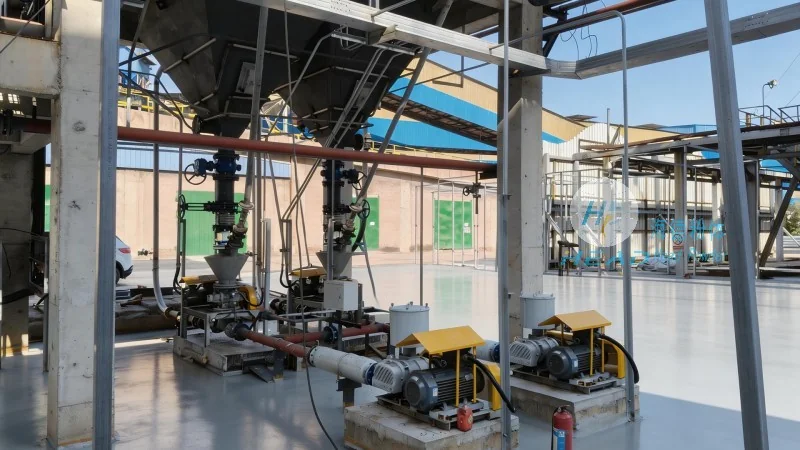
The operation of a grain particle pneumatic conveying line typically commences with the material being fed into a hopper or storage silo. From there, the material is drawn into a conveyor line using a combination of vacuum or pressure systems. The key components involved in the process include the material inlet, the conveying pipeline, the air source (either a blower or a vacuum pump), and the discharge outlet. The material is then suspended in the air stream and transported through the pipeline to the desired destination. The system may include additional components such as cyclones for material separation, filters to remove dust, and control valves to regulate the flow rate. The entire process is automated, allowing for precise control over the conveying speed and material quantity, which helps in maintaining consistent product quality and minimizing material loss. During operation, the material is first loaded into the inlet hopper, where it is stored before being transferred. A feeder, such as a rotary valve or a screw conveyor, then controls the flow rate of the material into the conveying line. The air source, which can be a centrifugal blower or a positive displacement blower, generates the necessary air pressure or vacuum. The air is mixed with the material in the pipeline, creating a slurry-like mixture that is propelled forward. The conveying line may include various sections, such as straight runs, bends, and vertical lifts, each designed to handle specific material characteristics and distances. At the discharge end, the material is separated from the air using a cyclone separator or a filter. The separated material is then collected in a bin or silo, while the air is either recirculated or vented to the atmosphere. The entire process is monitored by control panels that allow operators to adjust parameters like air pressure, flow rate, and material feed rate in real-time, ensuring optimal performance and preventing issues such as clogging or overloading.
Working Principle of Pneumatic Conveying Systems
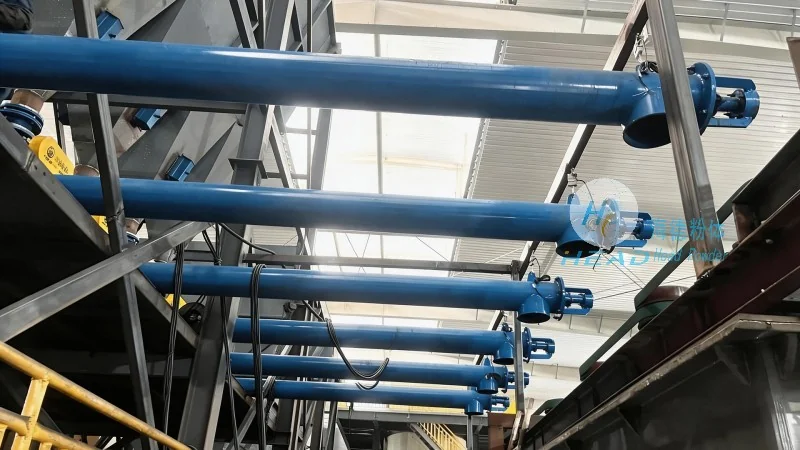
The working principle of grain particle pneumatic conveying lines is based on the use of air as the conveying medium. In a typical system, the air is either supplied under pressure (positive pressure system) or extracted from the system (negative pressure system). The positive pressure system utilizes a blower to force air into the pipeline, pushing the material along. The negative pressure system, conversely, employs a vacuum pump to create a low-pressure environment, drawing the material into the pipeline. The choice between the two systems depends on factors such as the distance to be covered, the material characteristics, and the required conveying capacity. The air velocity in the pipeline is critical, as it must be sufficient to keep the material suspended and prevent it from settling or clogging the line. Proper design of the pipeline diameter, bends, and fittings is essential to maintain the required air velocity and ensure smooth material flow. Additionally, the system may incorporate features like air locks and rotary valves to control the flow of material and prevent backflow, which is crucial for maintaining the integrity of the conveying process. The air source plays a pivotal role in the system's performance, as its capacity and efficiency directly impact the conveying rate and material handling capabilities. Modern systems often use variable frequency drives (VFDs) to adjust the air flow and pressure dynamically, allowing for better control and energy efficiency.