

Operation Process and Working Principle of Carbon Particle Pneumatic Conveying Lines
Carbon particle pneumatic conveying lines are essential equipment in industrial applications, particularly for the efficient transport of carbon-based materials. These systems utilize air or gas as the conveying medium to move granular or powdery carbon products from one location to another. The technology offers advantages such as reduced material handling costs, improved safety, and enhanced process control compared to traditional mechanical conveying methods. Manufactured by Shandong HeadPowder Engineering Co., Ltd. (headpowder), these systems are designed to meet the specific needs of various industrial sectors, ensuring reliable and efficient material transport.
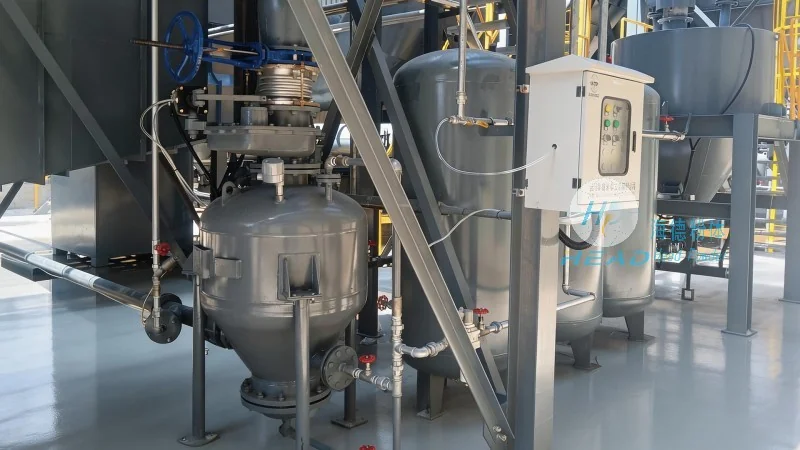
Key Components of a Carbon Particle Pneumatic Conveying System
A typical carbon particle pneumatic conveying line consists of several critical components that work in tandem to ensure smooth material transport. The main components include the hopper or feed hopper, which stores the carbon particles and feeds them into the system; the conveying line itself, which can be either a positive pressure or negative pressure system; the air compressor or vacuum pump, which generates the necessary air or gas flow; and the discharge hopper or receiver, where the material is deposited at the destination. Each component plays a vital role in maintaining the efficiency and reliability of the entire system.
Working Principle of Carbon Particle Pneumatic Conveying
The working principle of a carbon particle pneumatic conveying line is based on the movement of particles within a pressurized or suctioned air stream. In a positive pressure system, the air compressor increases the pressure in the conveying line, forcing the carbon particles to move along the pipeline. The feed hopper is equipped with a valve or feeder that controls the flow rate of the material, ensuring a consistent and controlled discharge. As the particles travel through the line, they are suspended by the air flow, which prevents them from settling or clogging the pipeline. The discharge hopper at the end of the line collects the material, and the air is typically filtered and recycled back into the system to maintain efficiency.
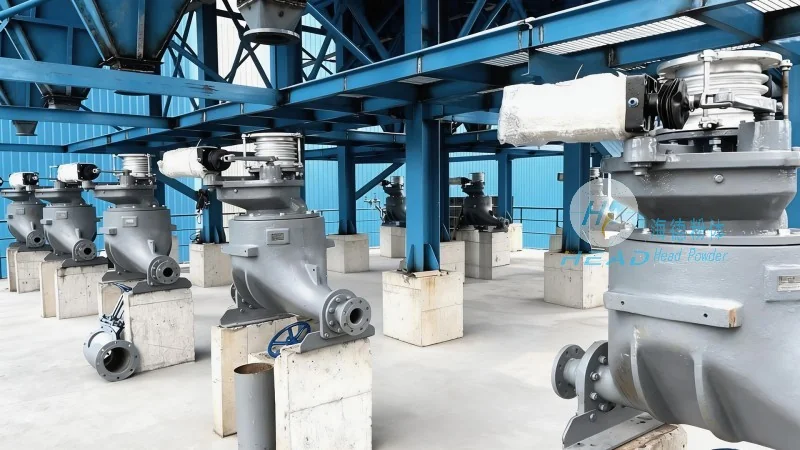
Operation Process of Carbon Particle Pneumatic Conveying Lines
The operation process of a carbon particle pneumatic conveying line involves several steps that ensure the system runs smoothly and efficiently. First, the carbon particles are loaded into the feed hopper, which is typically equipped with a level indicator to monitor the material level. The feeder, often a rotary valve or screw feeder, then regulates the flow of material into the conveying line. Next, the air compressor or vacuum pump is activated, generating the required air pressure or suction to move the particles. The material is then transported through the pipeline to the discharge hopper. During operation, operators monitor key parameters such as pressure, flow rate, and material level to ensure optimal performance. Regular maintenance, including cleaning of filters and checking for leaks, is also essential to prevent system downtime and maintain efficiency.
Advantages of Carbon Particle Pneumatic Conveying Lines
Carbon particle pneumatic conveying lines offer several advantages over traditional mechanical conveying methods. One of the primary benefits is the reduction in material handling costs, as the system eliminates the need for manual loading and unloading of materials. Additionally, the enclosed pipeline design reduces dust emissions and improves workplace safety. The system also allows for precise control over the flow rate and pressure, enabling better process control and consistency in material delivery. Furthermore, the compact design of these systems saves space in industrial facilities, making them suitable for both large-scale and small-scale applications.
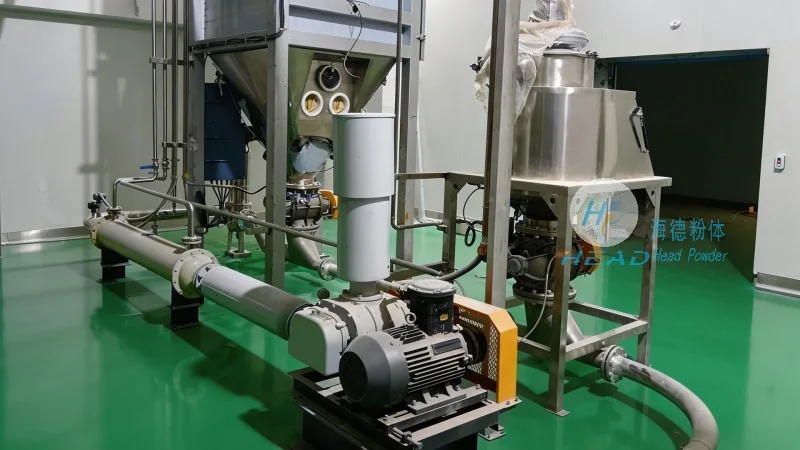
Applications of Carbon Particle Pneumatic Conveying Lines
Carbon particle pneumatic conveying lines are widely used in various industries that handle carbon-based materials. Some common applications include the transportation of carbon black, graphite, and other carbon powders in the manufacturing of batteries, electrodes, and carbon products. The system is also used in the chemical industry for conveying carbon-based chemicals and in the food industry for transporting carbon-based ingredients. In addition, these systems are employed in the mining and mineral processing sectors for transporting carbon-containing ores and concentrates. The versatility of the carbon particle pneumatic conveying line makes it a valuable asset in many industrial processes.
Maintenance and Troubleshooting for Carbon Particle Pneumatic Conveying Lines
Maintaining the efficiency and reliability of a carbon particle pneumatic conveying line requires regular maintenance and troubleshooting. Regular cleaning of the filters is crucial to prevent clogging and maintain air flow. Checking for leaks in the pipeline and components is also important to ensure consistent pressure and suction. The feeder and hopper should be inspected regularly for wear and tear, and the valve mechanisms should be lubricated as needed. If the system experiences reduced flow or pressure, operators should check the air compressor or vacuum pump for proper operation and ensure that the material feed is consistent. By following a regular maintenance schedule and addressing issues promptly, the system can operate at peak efficiency and minimize downtime.