

Operation Process and Working Principle of Nitrile Rubber Pneumatic Conveying Lines
HeadPowder, a leading engineering firm based in Shandong, China, specializes in the design, manufacturing, and installation of advanced pneumatic conveying systems tailored for handling nitrile rubber. This article provides a detailed overview of the operation process and working principles of such systems, highlighting the technical aspects and operational efficiency that define modern material handling solutions for the rubber industry.
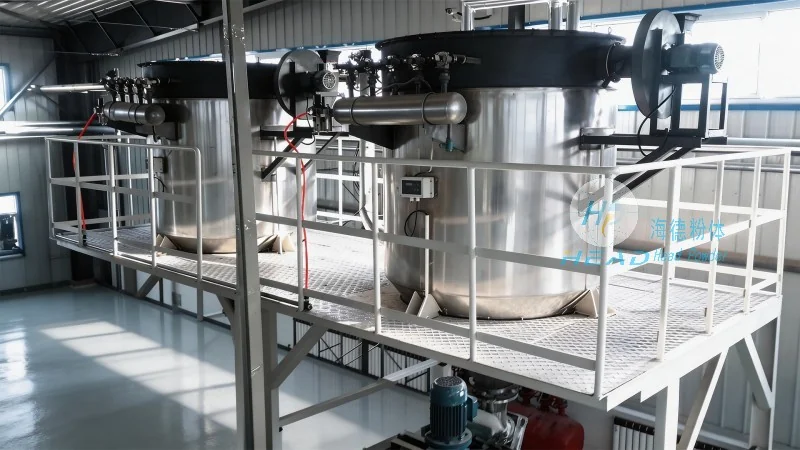
Understanding Nitrile Rubber Pneumatic Conveying Systems
Nitrile rubber, also known as Buna-N, is a synthetic polymer widely used in the production of seals, gaskets, and other industrial components due to its excellent resistance to oil, fuel, and other chemicals. Handling this material efficiently and safely requires specialized equipment, and pneumatic conveying lines offer a reliable solution. These systems use air or other gases to transport nitrile rubber particles from one location to another, eliminating the need for mechanical components that might cause contamination or damage to the material.
Key Components of a Nitrile Rubber Pneumatic Conveying Line
The operation of a nitrile rubber pneumatic conveying line involves several critical components that work in tandem to ensure smooth material transport. The main components include the hopper (for material storage), the feeder (to control the flow rate), the conveying line (the pipeline through which air and material travel), the receiver (for material discharge), and the air compressor or blower (to generate the necessary air pressure). Each component plays a vital role in maintaining the system's performance and ensuring the integrity of the nitrile rubber being conveyed.
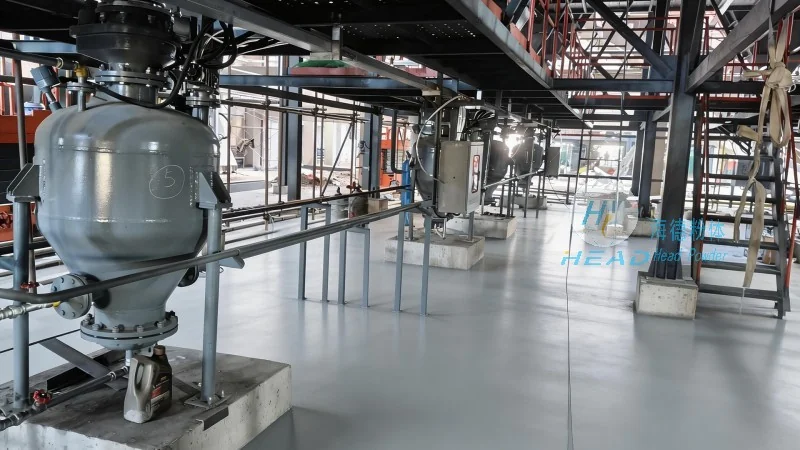
The Operation Process: Step-by-Step Overview
The operation process of a nitrile rubber pneumatic conveying line typically follows a sequence of steps designed to optimize material flow and minimize downtime. First, the nitrile rubber is fed into the hopper from the storage area. The feeder then regulates the material flow, ensuring a consistent rate of discharge into the conveying line. Simultaneously, the air compressor generates high-pressure air, which is introduced into the conveying line at the inlet. The air and material mixture travels through the pipeline, with the air velocity maintained at a level sufficient to keep the nitrile rubber particles suspended and moving forward. The mixture reaches the receiver, where the air is separated from the material, often through a cyclone or other separation device. The separated nitrile rubber is then collected in the receiver, ready for further processing or use.
Working Principles: How the System Transfers Material
The working principle of a nitrile rubber pneumatic conveying line is based on the fundamental concept of fluidization and pneumatic transport. When air is introduced into the conveying line at a high velocity, it creates a low-pressure zone that draws the nitrile rubber particles into the pipeline. The air flow maintains the particles in a suspended state, preventing them from settling or clogging the system. The pressure differential between the inlet and outlet of the conveying line drives the material forward, ensuring efficient transport over varying distances and elevations. This method of transport is particularly effective for nitrile rubber because it avoids direct contact with mechanical parts, reducing the risk of contamination and preserving the material's properties.
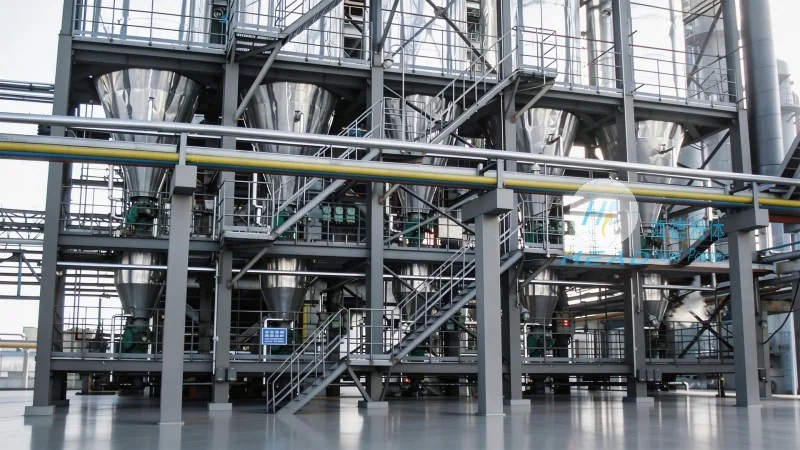
Advantages of Nitrile Rubber Pneumatic Conveying Systems
Implementing a nitrile rubber pneumatic conveying system offers several advantages over traditional mechanical conveying methods. These include reduced labor costs due to automated material handling, improved material cleanliness and quality by minimizing contact with external contaminants, and enhanced safety by eliminating the need for manual handling of potentially hazardous materials. Additionally, pneumatic conveying systems are more flexible in terms of layout and can be easily adapted to changes in production requirements, making them a cost-effective solution for modern rubber processing facilities.
Conclusion and Company Expertise
Shandong HeadPowder Engineering Co., Ltd. leverages its expertise in engineering and material handling to design and implement high-performance nitrile rubber pneumatic conveying lines. By understanding the unique properties of nitrile rubber and the demands of the rubber industry, HeadPowder ensures that its systems operate efficiently, reliably, and safely. The company's commitment to quality and innovation has made it a trusted partner for businesses seeking to optimize their material handling processes and improve overall operational efficiency.