

Operation Process and Working Principle of a Metal Aluminum Powder Pneumatic Conveying Line
HeadPowder, a leading provider of industrial conveying solutions, specializes in the design, manufacturing, and installation of advanced pneumatic conveying systems for metal aluminum powders. With a strong presence in Shandong, China, the company leverages decades of expertise to deliver efficient and reliable systems tailored to the unique demands of aluminum powder handling in various industrial applications.
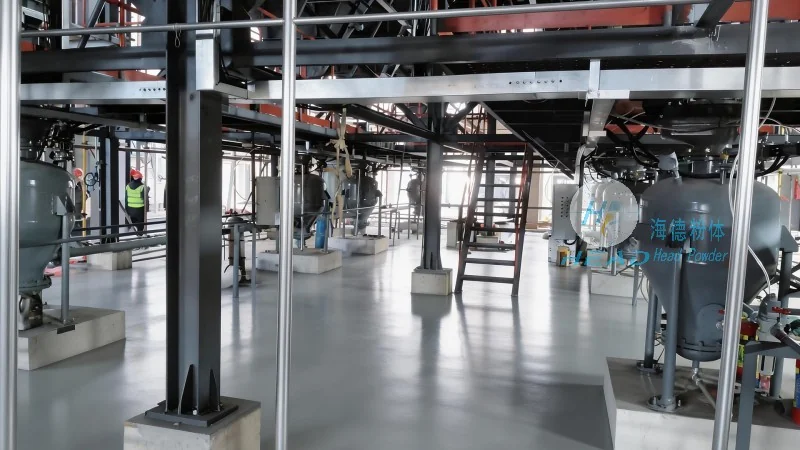
Overview of Metal Aluminum Powder Pneumatic Conveying Systems
A metal aluminum powder pneumatic conveying line is a sophisticated system engineered to transport aluminum powder from a storage silo or hopper to processing equipment, such as mixers, reactors, or packaging units. This technology eliminates the need for traditional mechanical conveying methods, offering advantages like reduced contamination, improved safety, and enhanced material flow control. The system typically consists of several key components, including a hopper, a rotary airlock valve, a conveying line (often equipped with bends and straight sections), a dust collector, and a receiver for the final product.
Working Principle of the Pneumatic Conveying Process
The operation of a metal aluminum powder pneumatic conveying line relies on the principle of pneumatic transport, where compressed air is used to move the powder through the system. The process begins with the powder being fed from the hopper into the conveying line via a rotary airlock valve. This valve ensures a controlled, continuous flow of powder, preventing backflow and maintaining consistent material transfer. As the compressed air is introduced into the conveying line, it creates a low-pressure zone that draws the aluminum powder particles into the air stream. The air-powder mixture travels through the system, passing through bends and straight sections, and is eventually directed to a receiver where the powder is separated from the air. The separated air is then filtered by a dust collector to remove any residual powder particles before being discharged back into the environment or recirculated for energy efficiency.
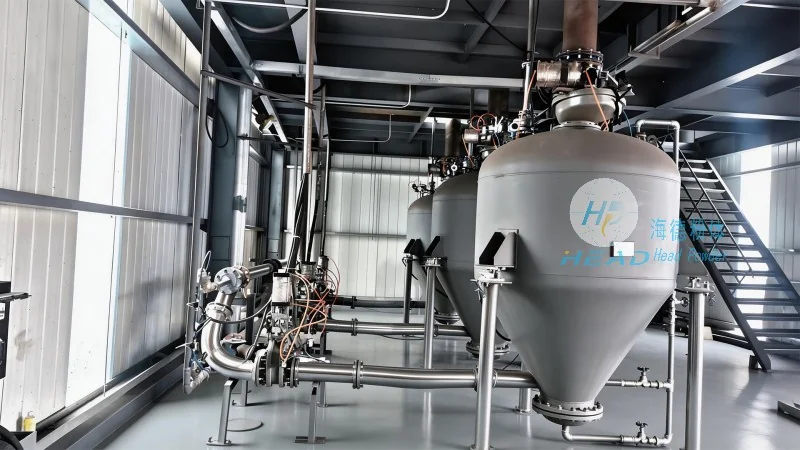
Key Components and Their Functions in the Conveying Line
Each component of the metal aluminum powder pneumatic conveying system plays a critical role in ensuring smooth and efficient operation. The hopper serves as the initial storage and feeding point, maintaining a consistent powder level. The rotary airlock valve acts as a gate, regulating the flow of powder into the conveying line and preventing air from escaping back into the hopper. The conveying line itself is designed with appropriate diameters and materials (often stainless steel or specialized alloys) to withstand the abrasive nature of aluminum powder and maintain airtight integrity. Bends and straight sections are strategically placed to guide the air-powder mixture, with smooth transitions to minimize pressure drop and prevent material buildup. The receiver collects the aluminum powder and may include features like a discharge valve or a level indicator to monitor the powder quantity. The dust collector is essential for maintaining air quality and complying with environmental regulations, ensuring that only clean air is released from the system.
Operation Process: Step-by-Step Execution
The operation of a metal aluminum powder pneumatic conveying line follows a systematic sequence to ensure optimal performance and safety. The process starts with the preparation phase, where the hopper is filled with aluminum powder and the system is checked for any leaks or obstructions. Next, the compressed air supply is activated, and the rotary airlock valve is opened to allow the powder to enter the conveying line. As the powder is conveyed, the system monitors pressure and flow rates to ensure consistent operation. The receiving equipment is then ready to collect the aluminum powder, and the process continues until the hopper is emptied or the required amount of powder has been transferred. After the transfer is complete, the system is shut down, and the air is purged from the conveying line to prevent dust accumulation. Regular maintenance, including cleaning the hopper, checking valve seals, and inspecting the dust collector, is performed to maintain the system's efficiency and longevity.
Advantages of Metal Aluminum Powder Pneumatic Conveying Systems
Implementing a metal aluminum powder pneumatic conveying line offers numerous benefits for industrial operations. One of the primary advantages is the elimination of contamination, as the enclosed system prevents contact with external elements and reduces the risk of cross-contamination between different batches of aluminum powder. Additionally, the system enhances safety by minimizing the exposure of workers to dust and reducing the need for manual handling of heavy or abrasive materials. The controlled flow of powder also improves process consistency, ensuring that the aluminum powder is delivered to processing equipment with consistent moisture content and particle size distribution. Furthermore, the system is energy-efficient, as the compressed air can be recirculated, reducing energy consumption and operating costs. The compact design of the system also saves space in industrial facilities, making it suitable for both new installations and retrofitting existing processes.
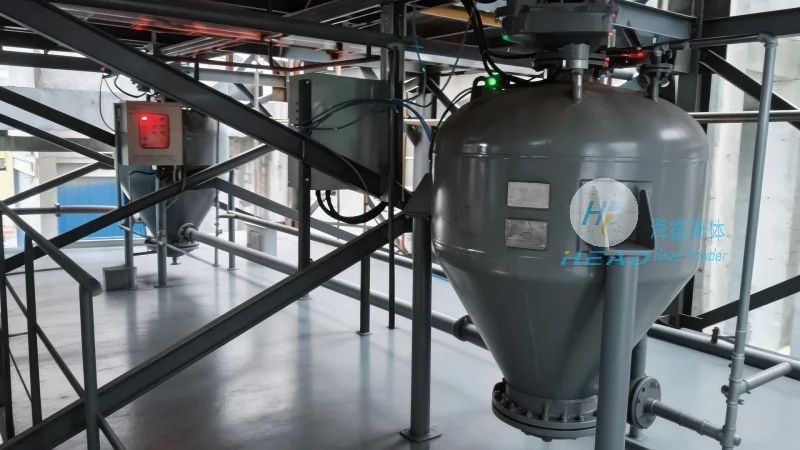
Applications and Industries Served by HeadPowder's Conveying Solutions
HeadPowder's metal aluminum powder pneumatic conveying systems are widely used in various industries that rely on aluminum powder for their manufacturing processes. These include the aerospace industry, where aluminum powder is used in composite materials and coatings; the automotive industry, for lightweighting applications and surface treatments; the chemical industry, for producing aluminum-based compounds and catalysts; and the food industry, where aluminum powder is used in certain food products and packaging. The company's systems are also suitable for research and development facilities, where precise and controlled powder transfer is critical for experimental work. By providing customized solutions tailored to the specific requirements of each application, HeadPowder ensures that its clients achieve optimal performance and efficiency in their aluminum powder handling operations.
Customization and Integration with Existing Systems
HeadPowder understands that each industrial facility has unique requirements, and the company offers comprehensive customization options for its metal aluminum powder pneumatic conveying systems. Clients can specify the system's capacity, pressure, and material handling characteristics to match their production needs. The systems can be integrated with existing equipment, such as storage silos, mixers, or reactors, to create a seamless production line. Additionally, the company provides technical support and training to ensure that clients can operate and maintain the system effectively. This approach ensures that the conveying line not only meets the current demands of the facility but also adapts to future growth and technological advancements.
Maintenance and Longevity of the Conveying Line
Proper maintenance is crucial for the long-term performance and reliability of a metal aluminum powder pneumatic conveying line. HeadPowder recommends regular inspections of all components, including the hopper, rotary airlock valve, conveying line, and dust collector. The hopper should be cleaned periodically to remove accumulated powder and prevent blockages. The rotary airlock valve seals should be checked and replaced as needed to maintain airtight operation. The conveying line should be inspected for signs of wear or corrosion, especially in areas with high abrasion from the aluminum powder. The dust collector filters should be replaced or cleaned regularly to ensure efficient air filtration. By following a regular maintenance schedule, clients can extend the lifespan of the system, reduce downtime, and maintain consistent performance. HeadPowder also offers maintenance services and spare parts to support its clients' long-term operational needs.
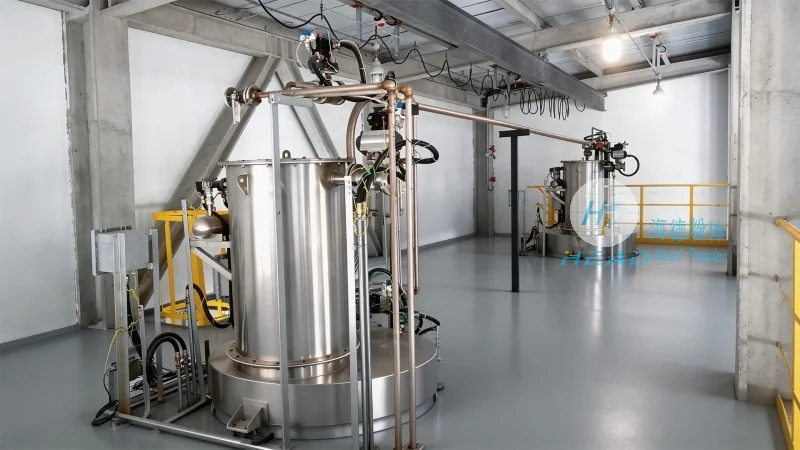
Environmental Considerations and Compliance
HeadPowder's metal aluminum powder pneumatic conveying systems are designed with environmental considerations in mind, ensuring compliance with local and international regulations. The dust collector effectively removes fine aluminum powder particles from the air, preventing air pollution and maintaining a clean working environment. The system's enclosed design minimizes the release of dust into the atmosphere, reducing the risk of environmental contamination. Additionally, the use of energy-efficient components, such as recirculating air systems, helps reduce the carbon footprint of the operation. By adhering to strict environmental standards, HeadPowder ensures that its clients can operate their facilities responsibly while maintaining high productivity and efficiency.
Conclusion: The Role of Metal Aluminum Powder Pneumatic Conveying Lines in Modern Industry
In conclusion, the operation process and working principle of a metal aluminum powder pneumatic conveying line represent a significant advancement in industrial material handling. By leveraging compressed air to transport aluminum powder efficiently and safely, these systems offer numerous advantages over traditional methods, including reduced contamination, enhanced safety, and improved process control. HeadPowder, with its expertise and commitment to quality, provides reliable and customized solutions that meet the diverse needs of industries relying on aluminum powder. As industrial facilities continue to seek more efficient and sustainable operations, the metal aluminum powder pneumatic conveying line remains a critical component in achieving optimal performance and productivity. With proper maintenance and integration, these systems can deliver long-term value and support the growth of industrial applications in the aluminum powder sector.