

Operation Process and Working Principle of Cement Gray Mineral Powder Pneumatic Conveying Line
For industries dealing with bulk materials like cement gray mineral powder, efficient material handling is crucial for maintaining production efficiency and operational safety. The pneumatic conveying line, a sophisticated system designed to transport such powders through a pressurized or vacuum environment, has become an indispensable tool in modern material processing. This article delves into the operation process and working principle of a cement gray mineral powder pneumatic conveying line, highlighting its key components, operational steps, and the technical advantages it offers, as provided by Shandong HeadPowder Engineering Co., Ltd., a leading manufacturer in the field.
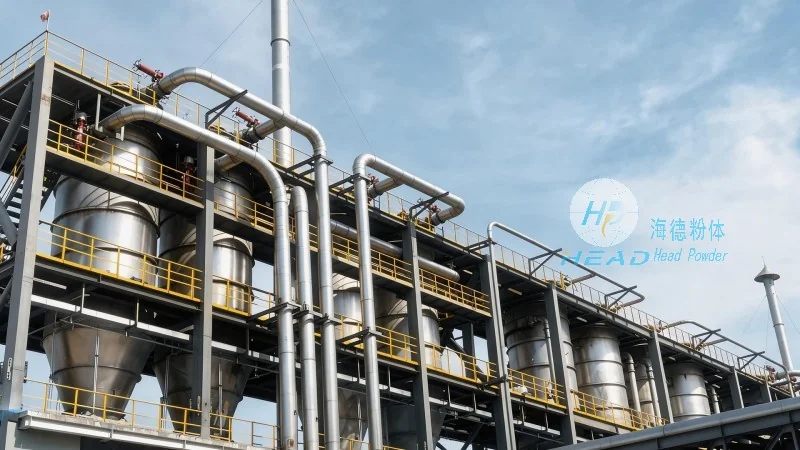
Introduction to the Pneumatic Conveying System
The pneumatic conveying line for cement gray mineral powder is a closed-loop system that utilizes air or gas to transport dry bulk materials. Unlike traditional mechanical conveyors, this system eliminates the need for moving parts in the material path, reducing maintenance requirements and minimizing the risk of material contamination. The system is typically composed of several core components, including a material hopper, a feeder, a conveying pipe, a control valve, and a dust collector. Each component plays a vital role in ensuring the smooth and efficient transport of the mineral powder from the source to the destination, as engineered by Shandong HeadPowder Engineering Co., Ltd.
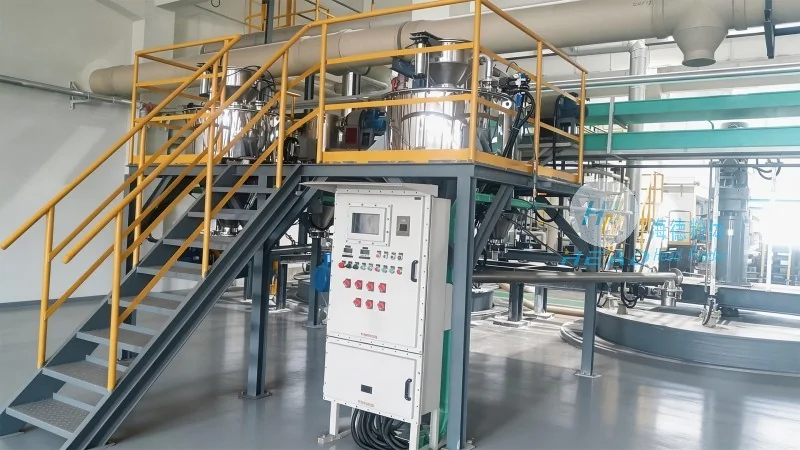
Key Components of the Pneumatic Conveying Line
The material hopper is the initial storage unit where the cement gray mineral powder is collected. It is designed with a conical bottom to facilitate the uniform discharge of the material into the feeder. The feeder, often a rotary valve or a screw feeder, regulates the flow rate of the powder into the conveying pipe, ensuring a consistent and controlled feed. The conveying pipe, usually made of stainless steel or other corrosion-resistant materials, is the main pathway for the material and air mixture. It is equipped with bends and elbows to guide the material through the system while maintaining the necessary pressure or vacuum. The control valve, typically a rotary or slide valve, is used to regulate the air flow and control the conveying speed. Finally, the dust collector is essential for capturing any fine particles that may escape during the conveying process, ensuring environmental compliance and product purity.
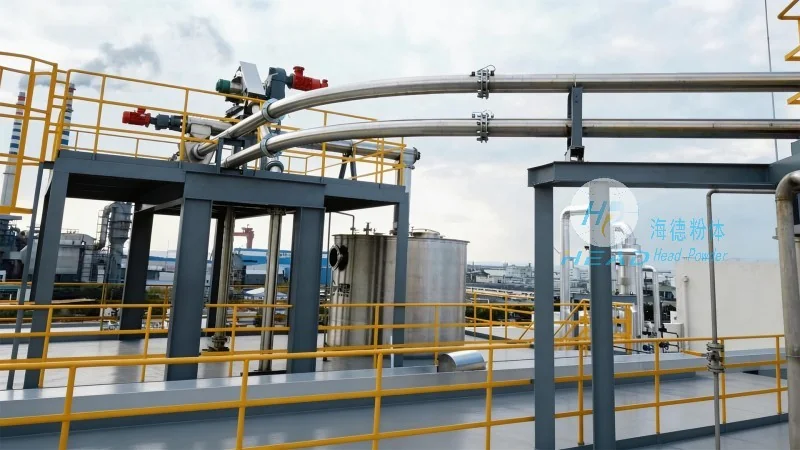
Operation Process of the Pneumatic Conveying Line
The operation of the cement gray mineral powder pneumatic conveying line involves several sequential steps that ensure the material is transported safely and efficiently. The process begins with the loading of the mineral powder into the material hopper. Once the hopper is filled, the feeder starts to discharge the powder at a controlled rate. Simultaneously, the conveying air is introduced into the system, either by a blower or a vacuum pump, creating a pressurized or vacuum environment. The powder is then mixed with the air and carried through the conveying pipe to the destination point, such as a storage silo or a processing unit. At the receiving end, the material is separated from the air using a separator, and the air is filtered and discharged through the dust collector. The entire process is typically automated, with sensors and control systems monitoring the flow rate, pressure, and other parameters to maintain optimal performance, as managed by Shandong HeadPowder Engineering Co., Ltd.
Working Principle of the Pneumatic Conveying Line
The working principle of the pneumatic conveying line is based on the principles of fluid dynamics and particle motion. In a pressurized system, the conveying air is forced into the pipe, creating a high-pressure environment that pushes the material along the pipe. The air velocity is maintained above the minimum conveying velocity to prevent material settling or clogging. In a vacuum system, the air is drawn out of the pipe, creating a low-pressure environment that pulls the material from the source to the destination. The key to efficient operation is achieving the correct air-to-material ratio, which balances the conveying capacity with energy consumption. The system also relies on the design of the pipe geometry, including the angle of the bends and the diameter of the pipe, to minimize pressure losses and ensure smooth material flow.
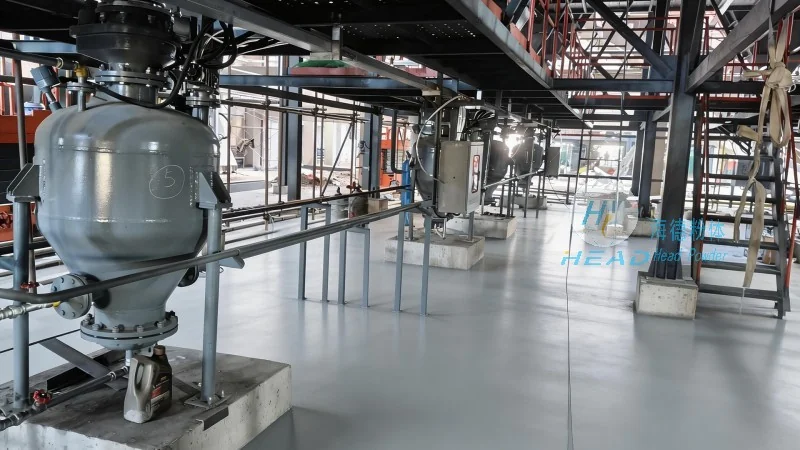
Technical Advantages of the Pneumatic Conveying Line
The pneumatic conveying line for cement gray mineral powder offers several technical advantages over traditional mechanical conveyors. Firstly, it provides a dust-free and hygienic transport environment, which is particularly important for food or pharmaceutical applications. Secondly, the system is highly flexible, allowing for changes in the material flow path without major modifications. Thirdly, it reduces the risk of material contamination and degradation, as the material is not in direct contact with moving parts. Additionally, the system is energy-efficient, as it can transport large quantities of material with relatively low power consumption. Finally, the automated control system ensures consistent performance and reduces the need for manual intervention, improving overall operational efficiency.