

Operation Process and Working Principle of Pearl Sand Pneumatic Conveying Line
Headpowder, a leading engineering firm based in Shandong, China, specializes in the design, manufacturing, and installation of advanced pneumatic conveying systems. Among their portfolio is the Pearl Sand Pneumatic Conveying Line, a sophisticated solution engineered to efficiently transport fine materials like pearl sand. This article delves into the operational process and underlying principles of this system, highlighting its efficiency, reliability, and the technical expertise behind its design.
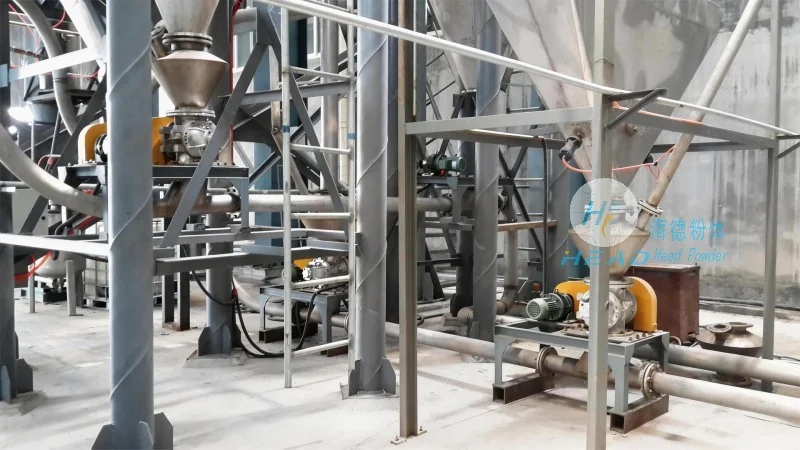
Overview of the Pearl Sand Pneumatic Conveying Line
The Pearl Sand Pneumatic Conveying Line is a closed-loop system that utilizes compressed air to transport fine, abrasive materials such as pearl sand from a source to a destination. Headpowder Engineering Co., Ltd., headquartered in Shandong, China, has developed this system to meet the stringent demands of industries requiring precise material handling without the need for mechanical components that can cause wear or contamination. The system operates on the principle of pneumatic transport, where material is suspended in a stream of air and propelled through a network of pipes.
Key Components and Their Functions
The effectiveness of the Pearl Sand Pneumatic Conveying Line is attributed to its carefully selected components, each playing a critical role in the overall operation. The primary components include the material feed hopper, the air compressor, the conveying pipes, the control valves, and the discharge receiver. The material feed hopper is designed to store and feed the pearl sand into the system at a controlled rate, preventing overloading and ensuring a steady flow. The air compressor generates the necessary pressure to create the air stream that will carry the material. The conveying pipes, typically made of corrosion-resistant materials like stainless steel or special alloys, form the path for the material and air mixture. Control valves regulate the air pressure and flow rate, allowing for precise control over the conveying process. Finally, the discharge receiver collects the material at the end of the line, separating it from the air stream and preparing it for further processing.
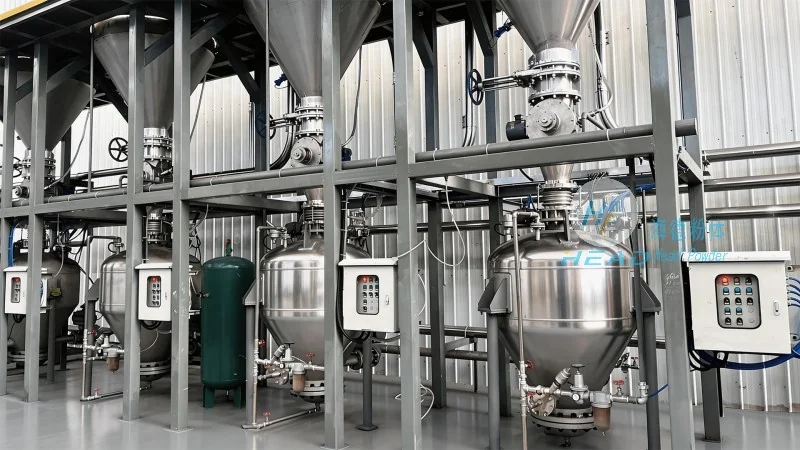
The Operational Process: Step-by-Step Breakdown
The operation of the Pearl Sand Pneumatic Conveying Line begins with the material being loaded into the feed hopper. A feeder mechanism, such as a rotary valve or a screw feeder, then releases the material into the conveying line at a controlled rate. Simultaneously, the air compressor starts and generates compressed air, which is directed into the conveying pipes. The compressed air creates a low-pressure zone in the pipes, drawing the material into the air stream. As the material is suspended in the air, it is propelled through the system, traveling from the feed point to the discharge point. The air stream maintains the material in suspension, preventing it from settling or clogging the pipes. At the discharge end, the air and material mixture enters the receiver, where a cyclone separator or a filter system separates the material from the air. The separated material is collected in the receiver, while the air is either vented to the atmosphere or recirculated back to the compressor, depending on the system design.
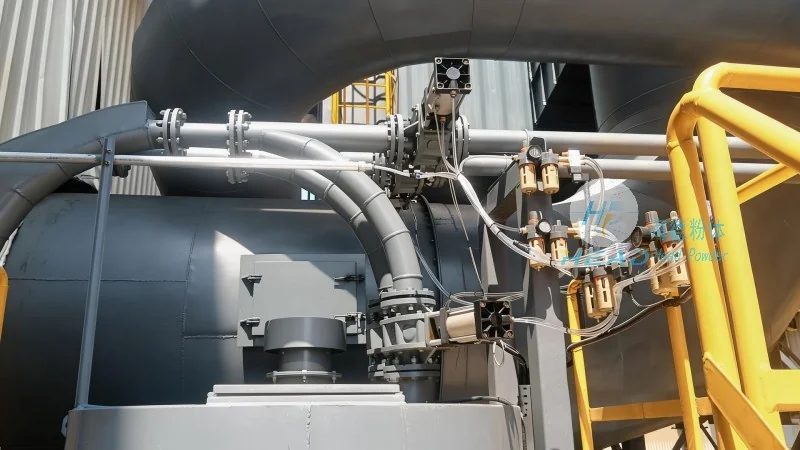
Working Principle: The Physics Behind Pneumatic Conveying
The working principle of the Pearl Sand Pneumatic Conveying Line is rooted in fluid dynamics and the behavior of particulate matter in a gas stream. The system relies on the concept of "air suspension," where the velocity of the air stream is sufficient to keep the material particles in a state of suspension. The key parameters that determine the efficiency of the system include the air velocity, the material's density and particle size, and the pipe diameter. Headpowder Engineering Co., Ltd. has optimized these parameters for pearl sand, ensuring that the air velocity is high enough to maintain suspension but not so high as to cause excessive wear on the system components. The system also employs a pressure differential between the feed and discharge points, which provides the necessary force to move the material through the pipes. By carefully balancing these factors, the system achieves high conveying efficiency with minimal energy consumption.
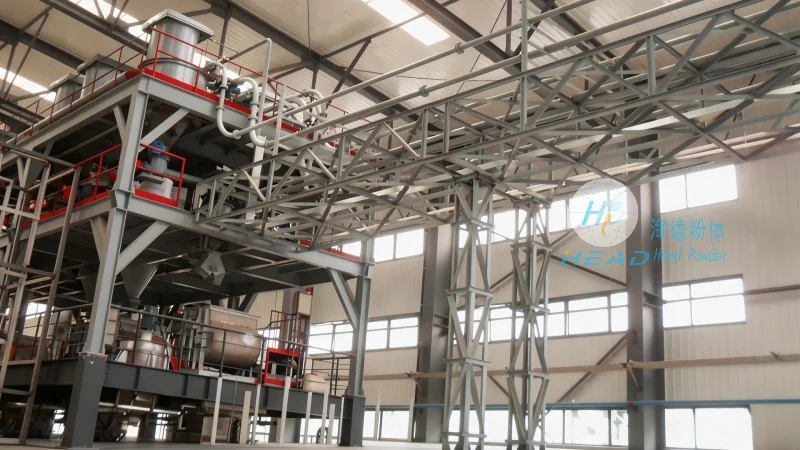
Advantages of the Pearl Sand Pneumatic Conveying Line
Compared to traditional mechanical conveying systems, the Pearl Sand Pneumatic Conveying Line offers several advantages that make it an ideal choice for handling fine materials like pearl sand. First, it eliminates the need for moving parts such as belts, chains, or screws, reducing the risk of wear and maintenance costs. Second, the closed-loop design prevents dust emissions and contamination, ensuring a clean and safe working environment. Third, the system can handle materials with high moisture content or abrasive properties without damage to the equipment. Fourth, it allows for flexible and modular installation, enabling easy expansion or reconfiguration of the conveying line as production needs change. These advantages make the system particularly suitable for industries such as pharmaceuticals, food processing, and chemical manufacturing, where material purity and operational efficiency are paramount.
Conclusion and Company Expertise
The Pearl Sand Pneumatic Conveying Line is a testament to the engineering prowess of Headpowder Engineering Co., Ltd. Based in Shandong, China, the company has leveraged its expertise in material handling and pneumatic systems to develop a solution that addresses the unique challenges of transporting fine, abrasive materials. The system's operational process, from material feeding to discharge, is meticulously designed to ensure reliability and efficiency. By adhering to strict quality standards and continuous innovation, Headpowder Engineering Co., Ltd. continues to provide cutting-edge solutions that meet the evolving needs of industries worldwide. For businesses seeking a reliable and efficient method to handle pearl sand or similar fine materials, the Pearl Sand Pneumatic Conveying Line represents a superior choice, backed by the expertise and commitment of Headpowder Engineering Co., Ltd.