

Operation Process and Working Principle of Graphene Pneumatic Conveying Lines
Graphene, a two-dimensional material renowned for its exceptional mechanical, electrical, and thermal properties, is increasingly integrated into industrial applications. The efficient and reliable handling of graphene powder is critical for preserving its quality and ensuring seamless production workflows. Pneumatic conveying systems have become a preferred solution for transporting fine powders like graphene, offering advantages such as minimal contamination and closed-loop operation. This article explores the operation process and working principle of a graphene pneumatic conveying line, detailing its key components, operational steps, and technical benefits.
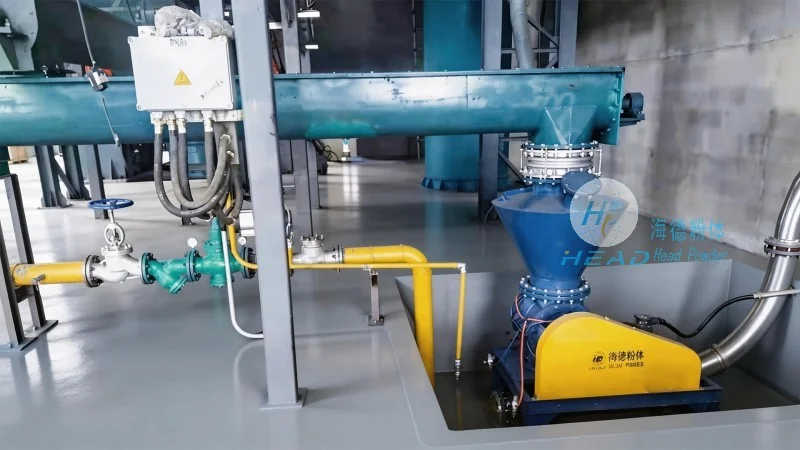
Introduction to Graphene Pneumatic Conveying Systems
A graphene pneumatic conveying line is a specialized system engineered to transport graphene powder through a network of pipes using compressed air or other gases. This method is particularly suited for materials like graphene, which are light, fine, and prone to agglomeration. The system typically comprises several core components: a feeder for material input, a conveying pipeline for transport, a separation unit to separate powder from air, and a receiver to collect the material. Each component plays a vital role in ensuring efficient and safe material handling.
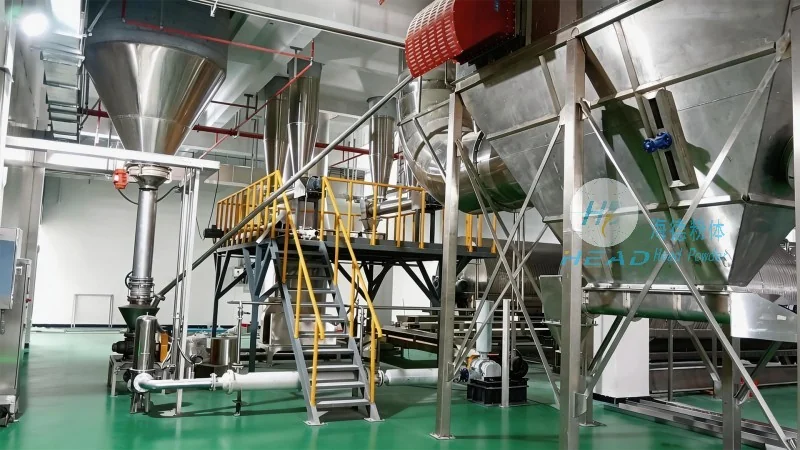
Key Components and Their Roles
The performance of a graphene pneumatic conveying line hinges on the proper functioning of its key components. The feeder, often a rotary valve or screw feeder, regulates the flow of graphene powder into the system at a controlled rate. The conveying pipeline, usually constructed from stainless steel or corrosion-resistant materials, ensures the material is transported without contamination. The separation unit, commonly a cyclone or bag filter, separates the graphene powder from the air stream, allowing the air to be recycled or discharged. The receiver collects the material after it has traversed the system. These components work in tandem to maintain the integrity of the graphene powder and optimize the conveying process.
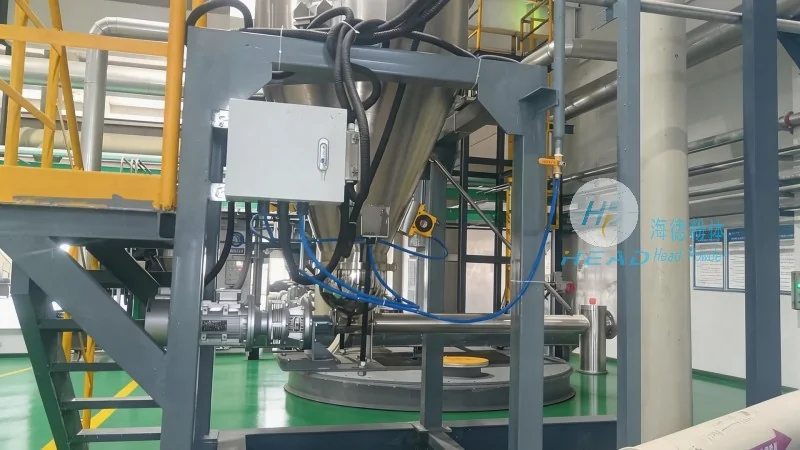
Operation Process of the Graphene Pneumatic Conveying Line
The operation of a graphene pneumatic conveying line involves a sequence of steps designed to ensure efficient material transport. Initially, the graphene powder is fed into the feeder at a predetermined rate. The feeder then delivers the material into the conveying pipeline. Simultaneously, compressed air is introduced into the pipeline, creating a flow that propels the powder forward. As the material travels through the pipeline, it may encounter bends, valves, or expansion joints, which are designed to manage changes in direction and pressure. The air-powder mixture then reaches the separation unit, where the air is separated from the powder. The separated powder is collected in the receiver, while the air is either filtered and recycled or released to the atmosphere. Throughout the process, sensors and controllers monitor parameters such as pressure, flow rate, and temperature to maintain optimal performance and prevent system failures.
Working Principle Explained
The working principle of a graphene pneumatic conveying line is rooted in fluid dynamics and pressure differentials. When compressed air is introduced into the conveying pipeline, it generates a pressure difference between the inlet and outlet. This pressure difference creates a flow of air that entrains the graphene powder particles, carrying them along the pipeline. The velocity of the air is critical: it must be high enough to keep the powder suspended but not so high as to cause excessive wear or damage to the material. The separation process relies on the density difference between the graphene powder and the air. In a cyclone separator, for example, the air-powder mixture enters at high velocity, causing the heavier powder to be forced to the walls and fall to the bottom, while the lighter air exits through the top. This principle ensures efficient separation and recovery of the material.
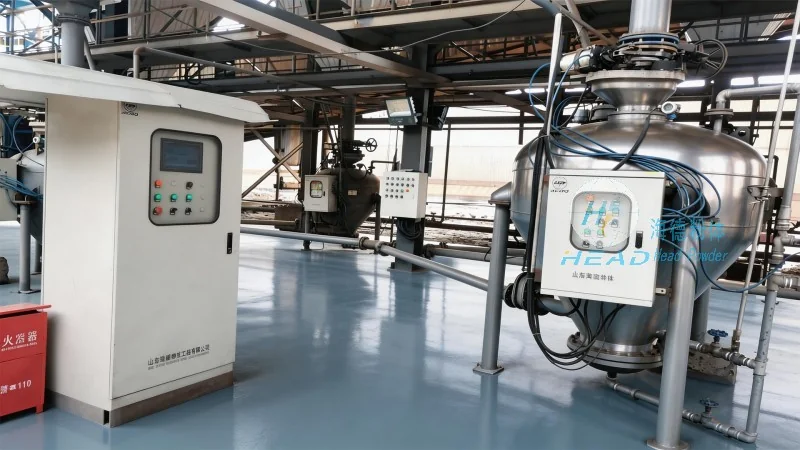
Technical Advantages and Applications
Graphene pneumatic conveying lines offer several technical advantages that make them ideal for handling fine powders like graphene. These include high transport efficiency, minimal product contamination, and the ability to operate in a closed system, which reduces dust emissions and enhances workplace safety. The system is also flexible, allowing customization to accommodate varying production volumes and material characteristics. Applications of graphene pneumatic conveying systems span industries such as composite manufacturing, coatings, and electronics. In these applications, the consistent and reliable transport of graphene powder is essential for maintaining product quality and reducing production costs. Shandong HeadPowder Engineering Co., Ltd., a leading manufacturer of pneumatic conveying systems, specializes in designing and manufacturing graphene pneumatic conveying lines tailored to the specific needs of industrial clients. With years of experience in the field, the company provides high-quality equipment that ensures reliable and efficient transport of graphene powder. The company's headquarters is located in Shandong, China, and it serves clients worldwide with its advanced technology and customer-centric approach.