

Operation Process and Working Principle of Vacuum Material Feeding Pneumatic Conveying Lines
HeadPowder, a leading manufacturer based in Shandong, China, specializes in providing efficient and reliable vacuum material feeding systems. The vacuum pneumatic conveying line is a critical piece of equipment designed to transport bulk materials from a source to a destination using air pressure and vacuum technology. This system is widely used in various industries such as food processing, pharmaceuticals, chemicals, and more, offering a clean, dust-free, and flexible solution for material handling.
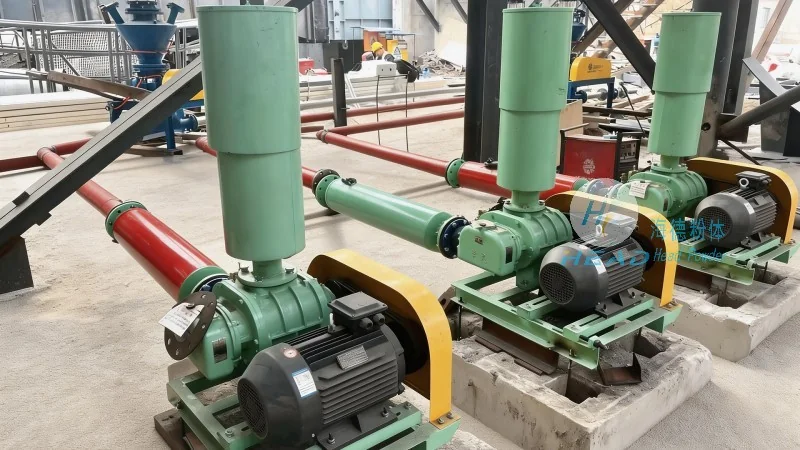
Key Components and Structure of the Pneumatic Conveying System
The vacuum material feeding line typically consists of several key components that work in tandem to ensure smooth operation. These include the vacuum pump, material feed hopper, conveying pipes, control valves, and receiving containers. The feed hopper is where the bulk material is stored and fed into the system. The vacuum pump creates a negative pressure in the system, drawing the material through the pipes to the desired location. Control valves are used to regulate the flow and pressure, ensuring optimal performance. The receiving container collects the material at the end of the conveying line.
Operation Process of the Vacuum Material Feeding Line
The operation of the vacuum material feeding line involves several steps that are carefully coordinated to achieve efficient material transport. First, the bulk material is loaded into the feed hopper. The vacuum pump is then activated, creating a vacuum in the system. As the pump operates, the material is drawn from the hopper through the conveying pipes due to the pressure differential. The material travels through the pipes, which may include bends and changes in direction, guided by the system's design. At the receiving end, the material is deposited into the container. The process is controlled by the system's control panel, which monitors pressure, flow, and other parameters to ensure consistent performance. The vacuum system can handle a wide range of materials, from powders to granules, and can transport them over varying distances depending on the system's configuration.
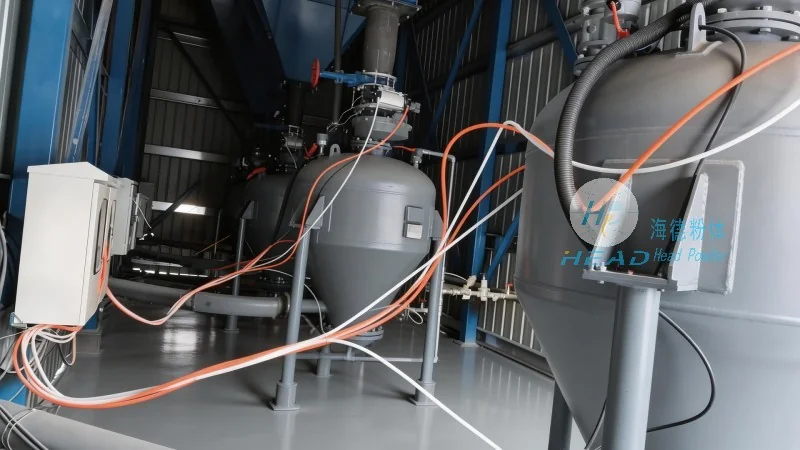
Working Principle of the Pneumatic Conveying Technology
The working principle of the vacuum material feeding line is based on the fundamental concept of air movement and pressure differentials. The vacuum pump generates a low-pressure environment within the conveying system. This negative pressure causes the material to be entrained by the air stream as it moves through the pipes. The material is carried along by the air, which acts as a carrier medium. The system uses a combination of vacuum and positive pressure to control the flow of material. The vacuum is applied at the feed end to draw the material, while the receiving end may use a slight positive pressure to assist in material discharge. This dual-pressure approach ensures that the material is transported efficiently and without blockages. The system's design allows for flexible routing, enabling it to navigate around obstacles and reach different locations within a facility.
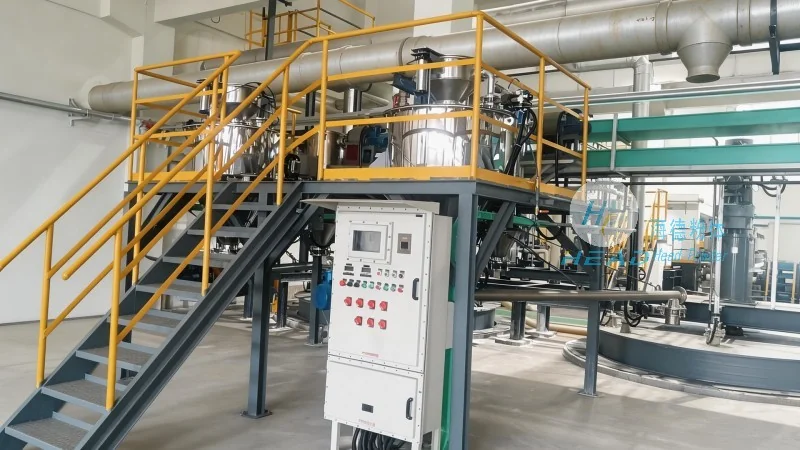
Advantages and Applications of the Vacuum Material Feeding Line
HeadPowder's vacuum material feeding pneumatic conveying line offers several advantages that make it a preferred choice for material handling applications. One of the key benefits is its ability to handle a wide variety of materials, including those that are dusty, abrasive, or sensitive to moisture. The system operates in a closed environment, preventing dust and particles from entering the workspace, which enhances safety and compliance with environmental regulations. Additionally, the vacuum system is energy-efficient compared to other material handling methods, reducing operational costs. The flexibility of the system allows for easy integration into existing production lines, and it can be customized to meet specific operational requirements. The vacuum material feeding line is widely used in industries such as food processing, where hygiene is critical, and in pharmaceutical manufacturing, where material purity is paramount. It is also suitable for chemical and industrial applications where material transport needs to be precise and controlled.
Customization and Maintenance of the Vacuum Pneumatic Conveying System
HeadPowder provides customized vacuum material feeding lines tailored to the specific needs of each client. The company's engineers work closely with customers to understand their material handling requirements and design a system that meets their operational goals. Customization options include varying pipe sizes, material of construction (such as stainless steel for food and pharmaceutical applications), and control systems. Regular maintenance is essential to ensure the longevity and efficiency of the vacuum system. HeadPowder offers maintenance services and spare parts to support its clients, ensuring that the system operates at peak performance. Routine checks include inspecting the vacuum pump, checking for leaks in the pipes, and cleaning the feed hopper and receiving container. Proper maintenance helps prevent downtime and extends the life of the equipment.