

Operation Process and Working Principle of Pneumatic Conveying Equipment for Lithium-Ion Battery Nan
HeadPowder, a leading manufacturer in the field of pneumatic conveying technology, specializes in the development and production of advanced equipment for handling lithium-ion battery nanomaterials. The company, officially known as Shandong HeadPowder Engineering Co., Ltd., is headquartered in Shandong, China, and has established itself as a key player in providing efficient and reliable solutions for material transport in high-tech industries.
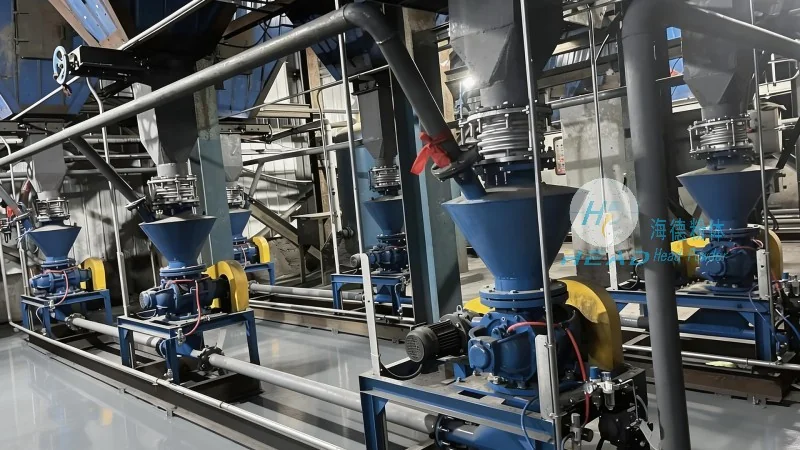
Introduction to Pneumatic Conveying Equipment for Lithium-Ion Battery Nanomaterials
As the demand for lithium-ion batteries grows in the electric vehicle and renewable energy sectors, the need for precise and efficient handling of nanomaterials used in their production has become increasingly critical. Pneumatic conveying equipment offers a non-contact, low-damage method for transporting these sensitive materials, making it an ideal choice for manufacturers seeking to maintain product quality and operational efficiency. This equipment is specifically designed to handle the unique challenges posed by lithium-ion battery nanomaterials, such as their fine particle size, high reactivity, and the need for contamination-free processing.
Key Components and Structure of the Equipment
The pneumatic conveying system for lithium-ion battery nanomaterials typically consists of several core components that work in tandem to ensure smooth and effective material transport. These components include a material hopper for storage, a feeding mechanism to control the flow of nanomaterials, a conveying pipeline system, a pressure vessel or receiver for product collection, and a control system for monitoring and regulating the operation. The design of each component is optimized to handle the specific characteristics of lithium-ion battery nanomaterials, ensuring minimal particle degradation and maximum operational reliability.
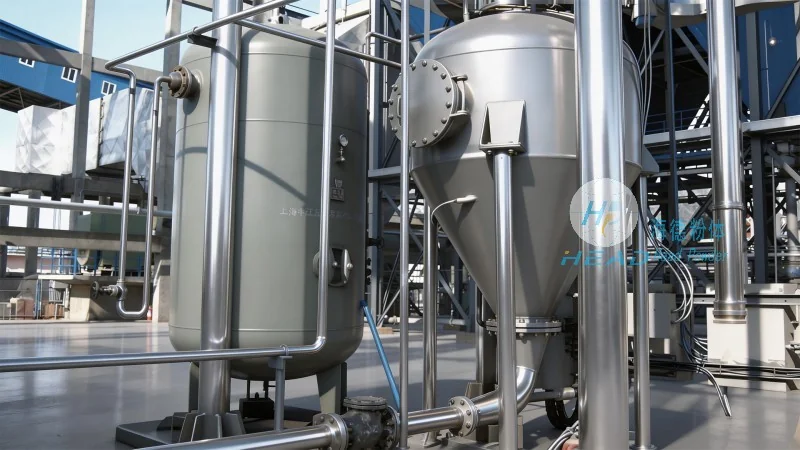
Operation Process of the Pneumatic Conveying Equipment
The operation of the pneumatic conveying equipment for lithium-ion battery nanomaterials follows a systematic process that begins with material loading and ends with product discharge. The process starts with the loading of the nanomaterials into the material hopper. A feeding device, such as a rotary valve or a screw feeder, then regulates the flow of material into the conveying pipeline. Simultaneously, a blower or compressor generates the necessary air pressure to create a flow of air within the pipeline. The air and material mixture travels through the pipeline to the receiving vessel, where the material is separated from the air and collected. The air is then filtered and returned to the system or discharged, depending on the system design. This continuous cycle ensures a steady and controlled transport of the nanomaterials from the source to the destination, minimizing downtime and maximizing throughput.
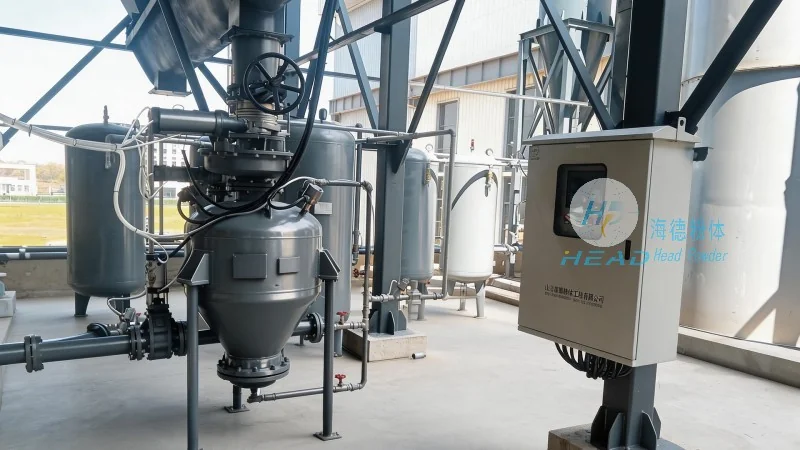
Working Principle of the Pneumatic Conveying System
The working principle of the pneumatic conveying system is based on the use of air as the conveying medium to transport solid particles. There are two main types of pneumatic conveying systems: pressure and vacuum systems. For lithium-ion battery nanomaterials, pressure systems are commonly used due to their ability to handle higher material loads and provide more consistent flow rates. In a pressure system, the blower or compressor pressurizes the air, which then carries the material particles through the pipeline. The air velocity within the pipeline is maintained at a level sufficient to keep the particles suspended and prevent settling. The design of the pipeline, including its diameter, length, and bends, is carefully engineered to minimize pressure losses and ensure efficient material transport. The control system plays a crucial role in maintaining the optimal air pressure and flow rate, which directly impacts the conveying efficiency and material quality.
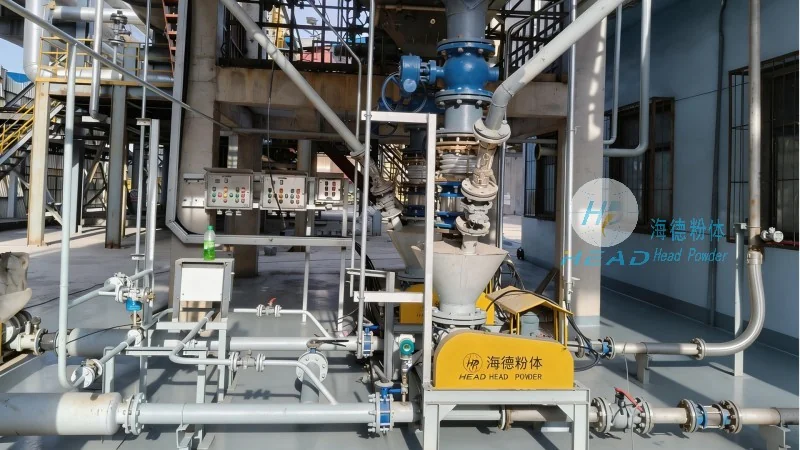
Advantages of Using Pneumatic Conveying for Lithium-Ion Battery Nanomaterials
Employing pneumatic conveying equipment for lithium-ion battery nanomaterials offers several significant advantages over traditional mechanical conveying methods. Firstly, it provides a non-contact transport process, which eliminates the risk of contamination from external sources and prevents damage to the nanomaterials' surface, preserving their reactivity and performance. Secondly, the system allows for precise control over the material flow rate and pressure, enabling manufacturers to adjust the conveying parameters according to the specific requirements of the production process. This flexibility is particularly important in the production of lithium-ion batteries, where consistent material quality is essential for battery performance and lifespan. Additionally, pneumatic conveying systems are compact and can be integrated into existing production lines with minimal modifications, reducing installation costs and space requirements. Finally, the system's ability to handle fine and abrasive materials without wear and tear on components contributes to lower maintenance costs and longer equipment lifespan.
Application and Integration in Lithium-Ion Battery Manufacturing
The pneumatic conveying equipment for lithium-ion battery nanomaterials is widely used in various stages of lithium-ion battery production, including the preparation of cathode and anode materials, the mixing of active ingredients, and the filling of battery cells. In the cathode material preparation process, for example, the equipment is used to transport nanoscale lithium cobalt oxide or lithium nickel manganese cobalt oxide powders from storage to mixing equipment. The precise control over particle flow and air pressure ensures that the material is mixed uniformly, which is critical for achieving the desired battery performance characteristics. Similarly, in the anode material production, the system transports carbon black or graphene powders to the mixing and coating stages, maintaining the integrity of the nanomaterials and preventing agglomeration. The integration of this equipment into the production line enhances overall efficiency by reducing material handling time and improving the consistency of the final product.