

Operation Process and Working Principle of Glass Powder Pneumatic Conveying Lines
HeadPowder, a leading engineering company based in Shandong, China, specializes in the design, manufacturing, and installation of advanced pneumatic conveying systems for various industrial applications. This article provides a detailed overview of the operation process and working principles of glass powder pneumatic conveying lines, highlighting the key components, operational mechanisms, and benefits of such systems in material handling.
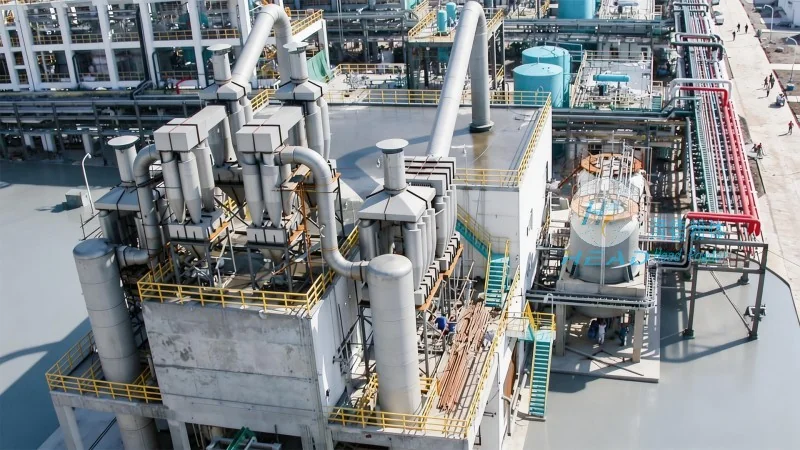
Key Components of Pneumatic Conveying Systems
The glass powder pneumatic conveying line typically consists of several critical components that work in tandem to ensure efficient material transport. These include the hopper or feeder, which stores and feeds the glass powder; the air compressor or blower, which generates the necessary air pressure; the pipeline system, which conveys the material and air mixture; and the control system, which regulates the flow and pressure. Each component plays a vital role in maintaining the system's performance and reliability.
Working Principle of Pneumatic Conveying
The operation of a glass powder pneumatic conveying line is based on the principle of transporting solid particles through a pipeline using a moving air stream. The process begins with the glass powder being fed from the hopper into the pipeline. Simultaneously, the air compressor supplies compressed air into the system. The air and powder mixture is then carried through the pipeline by the air flow, which can be either positive pressure (where air is forced into the line) or negative pressure (where air is drawn out of the line). The choice of pressure type depends on the specific application and material characteristics.
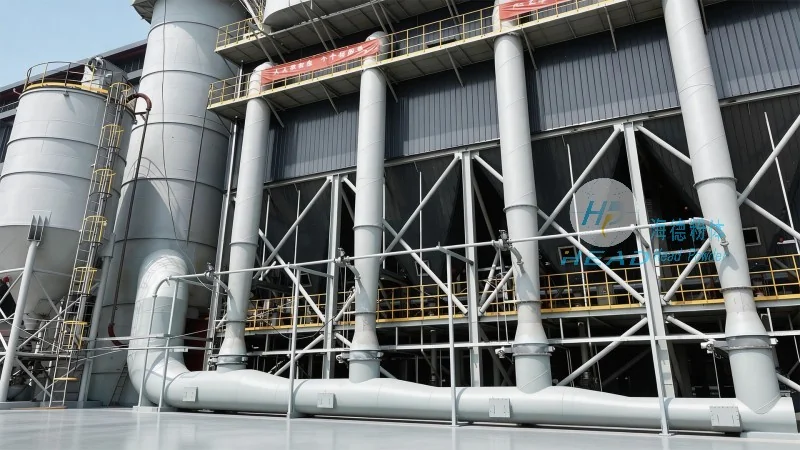
Operation Process Step-by-Step
1. **Material Loading**: The glass powder is loaded into the hopper, which is equipped with a feeder to control the flow rate. The feeder ensures a consistent and controlled supply of material into the pipeline. 2. **Air Supply**: The air compressor starts and generates the required air pressure. The pressure level is adjusted based on the material's properties and the distance of the conveying line. 3. **Conveying**: The air and glass powder mixture is introduced into the pipeline. The air flow velocity is maintained above the material's terminal velocity to prevent particle deposition and ensure smooth transport. 4. **Discharge**: At the receiving end, the mixture is separated. The glass powder is collected in a container, while the air is either filtered and recirculated or vented to the atmosphere. 5. **System Monitoring**: The control system continuously monitors parameters such as pressure, flow rate, and temperature to ensure optimal operation and detect any abnormalities.
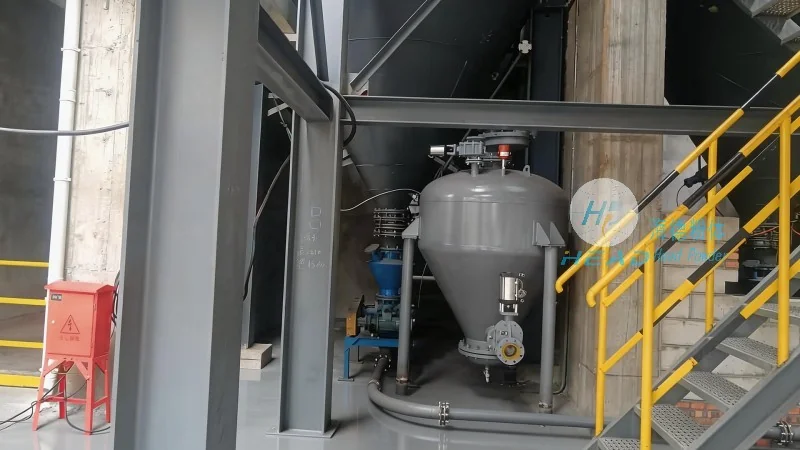
Benefits and Applications
Glass powder pneumatic conveying lines offer numerous advantages over traditional mechanical conveying methods. They are ideal for handling fine, dusty, or abrasive materials like glass powder, as they eliminate the need for moving parts that can cause wear and tear. The system is also flexible, allowing for changes in material flow rates and line configurations. Industries that benefit from this technology include glass manufacturing, pharmaceuticals, food processing, and chemical production, where the transport of glass powders requires precision and efficiency.
Conclusion
HeadPowder Engineering Co., Ltd. provides comprehensive solutions for glass powder pneumatic conveying lines, combining advanced engineering with robust manufacturing. By understanding the operation process and working principles, users can optimize their material handling processes, enhance productivity, and ensure the longevity of their conveying systems. With a strong presence in Shandong, China, HeadPowder continues to deliver high-quality, reliable solutions tailored to the specific needs of its clients.