

Operation Process and Working Principle of PP Granule Pneumatic Conveying Line
HeadPowder, a professional manufacturer based in Shandong, China, specializes in the design, production, and installation of advanced pneumatic conveying systems. This article focuses on the operation process and working principle of a PP granule pneumatic conveying line, providing a detailed understanding of how such systems efficiently transport polypropylene (PP) granules in industrial settings.
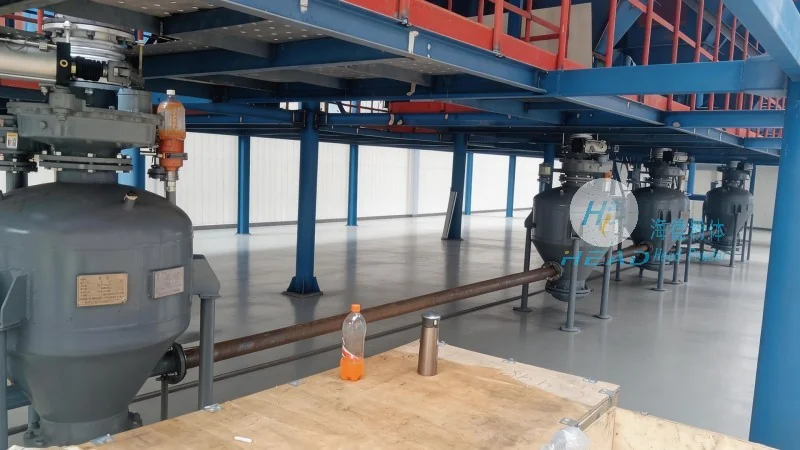
Introduction to PP Granule Pneumatic Conveying Systems
Polypropylene (PP) is a widely used thermoplastic polymer in various industries, including packaging, automotive, and construction. The efficient handling of PP granules is crucial for maintaining production efficiency and product quality. Pneumatic conveying systems offer a non-contact, low-cost, and flexible method for transporting bulk materials like PP granules over short to medium distances. These systems utilize compressed air or gas to move particles through a pipeline, eliminating the need for mechanical components like belts or buckets.
Key Components of a PP Granule Pneumatic Conveying Line
A typical PP granule pneumatic conveying line consists of several essential components that work in tandem to ensure smooth operation. These components include the material hopper, feeder, air compressor, conveying pipeline, and receiver. Each component plays a critical role in the overall system performance.
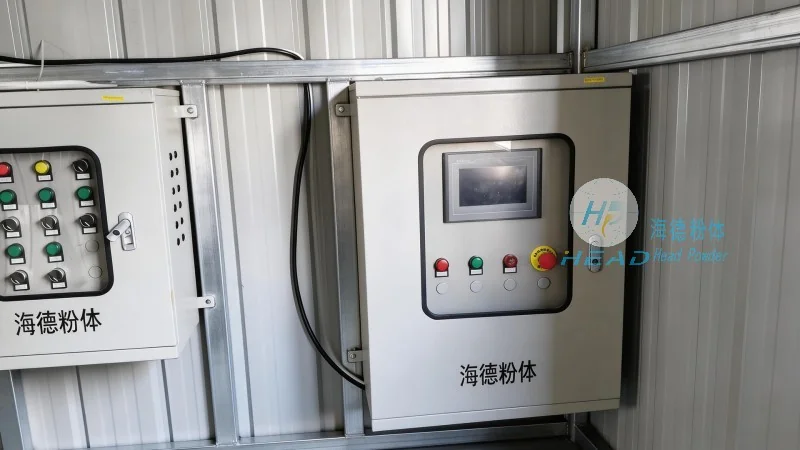
Working Principle of the Pneumatic Conveying Process
The core working principle of a pneumatic conveying system is based on the movement of particles within a gas stream. In the case of PP granule transport, the process begins with the material being fed from the hopper into the conveying line. The feeder controls the flow rate of the granules, ensuring a consistent and controlled supply to the system. Simultaneously, the air compressor generates high-pressure air, which is introduced into the pipeline. As the compressed air flows through the conveying line, it creates a low-pressure zone that draws the PP granules into the air stream. The combination of air velocity and particle size determines the conveying velocity and efficiency.
Operation Process Step-by-Step
The operation of a PP granule pneumatic conveying line involves several sequential steps that ensure the material is transported from the source to the destination without interruption. The process starts with the preparation of the system, where the air compressor is started and the system is pressurized. Next, the material hopper is filled with PP granules, and the feeder is activated to begin the material flow. As the granules enter the conveying pipeline, they are carried by the high-velocity air stream. The system continuously monitors the pressure and flow rates to maintain optimal operation. The receiving hopper at the end of the line collects the conveyed PP granules, completing the transport cycle.
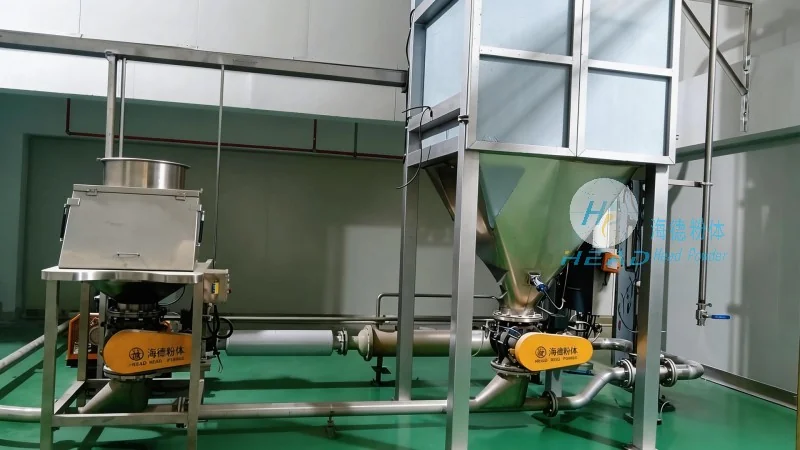
Advantages of Using Pneumatic Conveying for PP Granules
Implementing a pneumatic conveying system for PP granules offers several advantages over traditional mechanical conveying methods. These benefits include reduced material contamination, as there are no direct contact points between the granules and the conveying equipment. Additionally, pneumatic systems provide better control over the material flow, minimizing the risk of blockages or spills. The flexibility of the system allows for easy integration into existing production lines, and the low maintenance requirements contribute to long-term cost savings.
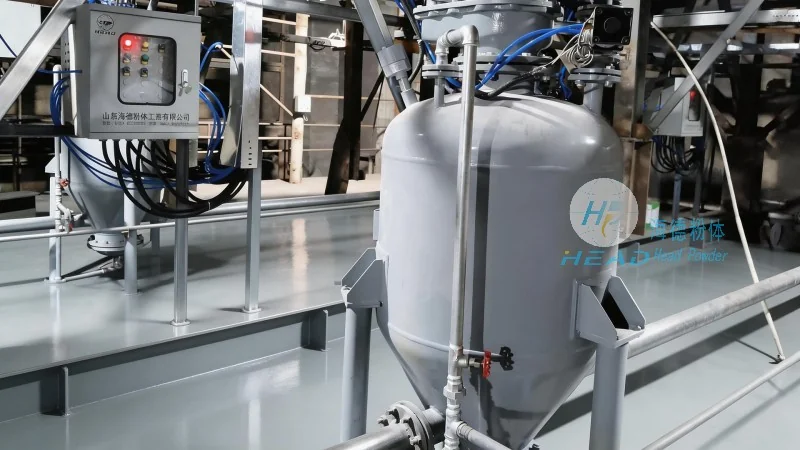
Application Examples in Industrial Settings
Pneumatic conveying lines for PP granules are commonly used in various industrial applications. For instance, in plastic manufacturing plants, these systems efficiently transport PP granules from storage silos to extrusion machines, ensuring a steady supply of raw material. In packaging facilities, the system can move PP granules to molding machines, where they are processed into plastic products. The adaptability of the system makes it suitable for different production scales and environments, from small-scale operations to large-scale manufacturing facilities.
Conclusion
In conclusion, the operation process and working principle of a PP granule pneumatic conveying line are critical for efficient material handling in industrial applications. By understanding the key components, working mechanisms, and operational steps, industries can optimize their production processes and enhance overall efficiency. HeadPowder, with its expertise in pneumatic conveying systems, provides reliable solutions tailored to the specific needs of PP granule transport, ensuring high performance and durability in various industrial settings.