

Operation Process and Working Principle of Soap Granule Pneumatic Conveying Lines
Welcome to Shandong HeadPowder Engineering Co., Ltd., a leading manufacturer specializing in advanced pneumatic conveying systems for various industrial applications. Our expertise lies in designing and implementing efficient soap granule pneumatic conveying lines that ensure seamless material transport while maintaining product quality and operational reliability.
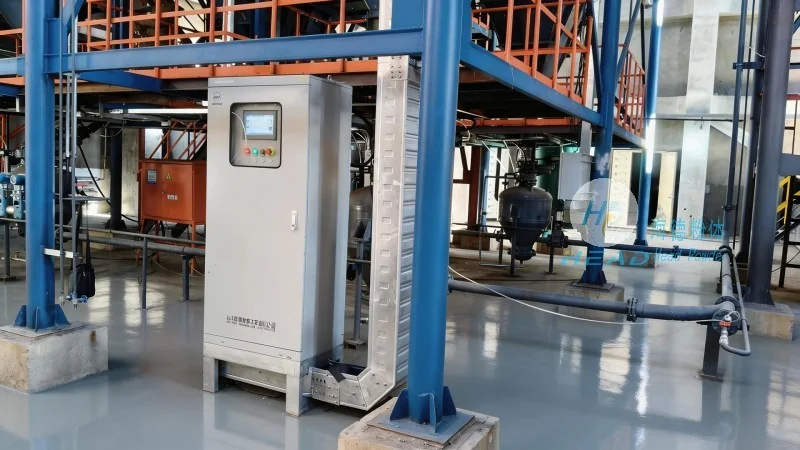
Introduction to Soap Granule Pneumatic Conveying Lines
Soap granule pneumatic conveying lines are sophisticated systems engineered to transport soap granules through a pressurized or vacuum environment. These systems are widely used in the soap manufacturing industry due to their ability to handle delicate materials without causing degradation or contamination. The design of these lines incorporates high-efficiency components that optimize the conveying process, ensuring minimal product loss and maximum throughput.
Key Components of the Pneumatic Conveying System
The soap granule pneumatic conveying line typically consists of several critical components that work in tandem to achieve effective material transport. These include the material hopper, which stores the soap granules; the feeder, responsible for controlling the flow rate of the material; the conveying pipe, which transports the material under pressure or vacuum; and the receiver, where the material is deposited. Additionally, the system may incorporate filters, silencers, and pressure regulators to maintain optimal operating conditions and protect equipment from damage.
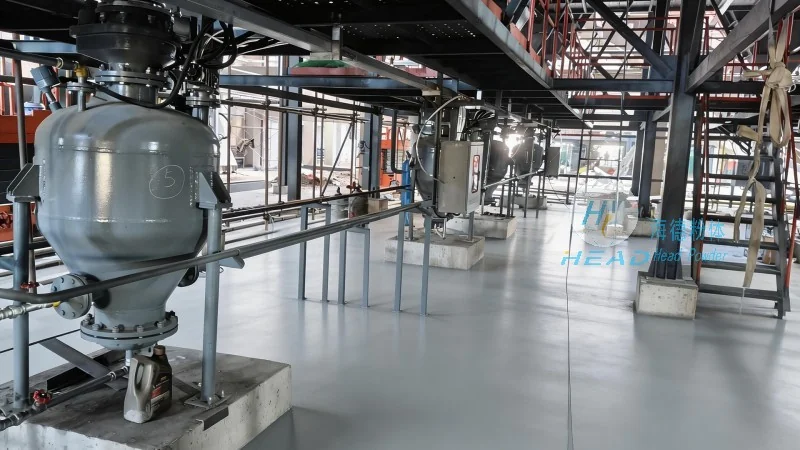
Working Principle of the Pneumatic Conveying Process
The operation of a soap granule pneumatic conveying line begins with the material being fed from the hopper into the conveying pipe. In a pressurized system, compressed air is introduced into the pipe, creating a flow that propels the soap granules forward. The air velocity is carefully controlled to ensure the granules are suspended and transported without excessive wear or breakage. In a vacuum system, the air is drawn out of the pipe, creating a negative pressure that pulls the material from the hopper to the receiver. Both systems rely on the principles of fluid dynamics to achieve efficient material transport while minimizing energy consumption.
Operation Process: Step-by-Step Overview
The operation of the soap granule pneumatic conveying line follows a systematic process that ensures consistent and reliable performance. First, the material hopper is filled with soap granules, and the feeder is adjusted to the desired flow rate. The system is then activated, and compressed air is introduced into the conveying pipe. The soap granules are then transported from the hopper to the receiver, where they are collected. The process continues until the hopper is empty or the desired quantity has been conveyed. The system is designed to operate continuously, with minimal downtime for maintenance or cleaning.
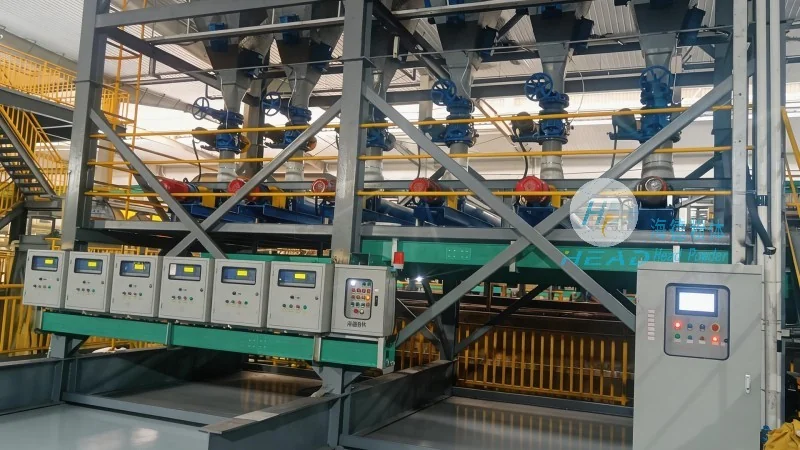
Advantages of Using Soap Granule Pneumatic Conveying Lines
Implementing a soap granule pneumatic conveying line offers numerous advantages for soap manufacturers. These systems provide a hygienic and dust-free method of material transport, which is crucial for maintaining product quality and compliance with industry standards. Additionally, the enclosed design of the system reduces the risk of contamination from external sources and minimizes product exposure to the environment. The high efficiency of these lines results in lower energy consumption and reduced operating costs compared to traditional methods such as belt conveyors or manual handling. Furthermore, the flexibility of pneumatic conveying allows for easy integration with existing production lines and the ability to transport materials over long distances without the need for multiple transfer points.
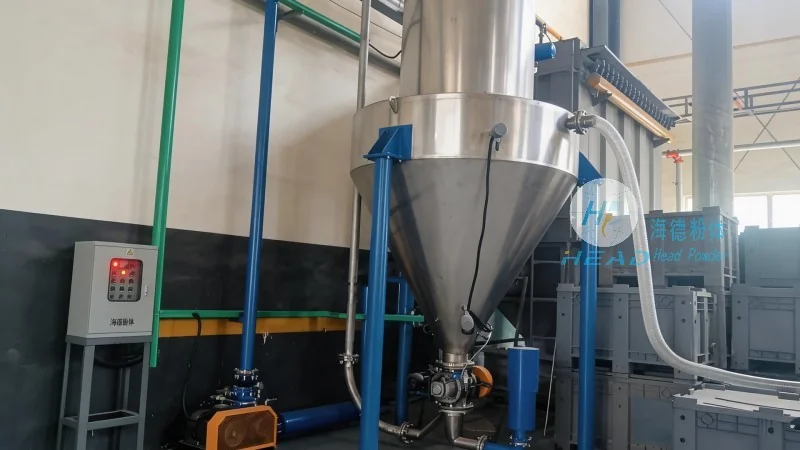
Maintenance and Operational Considerations
To ensure the longevity and optimal performance of the soap granule pneumatic conveying line, regular maintenance is essential. This includes cleaning the conveying pipes and filters to prevent clogging, inspecting the feeder and hopper for wear and tear, and checking the air pressure and flow rates. Proper maintenance not only extends the lifespan of the equipment but also ensures consistent material transport and prevents unexpected downtime. Additionally, operators should be trained on the proper operation of the system to avoid misuse or damage. By following recommended maintenance procedures and operational guidelines, manufacturers can maximize the efficiency and reliability of their soap granule pneumatic conveying lines.
Conclusion
Soap granule pneumatic conveying lines are a vital component of modern soap manufacturing operations, providing efficient, hygienic, and reliable material transport. With their advanced design and robust construction, these systems offer significant benefits over traditional conveying methods, including reduced product loss, lower energy consumption, and improved operational flexibility. Shandong HeadPowder Engineering Co., Ltd. specializes in the design, manufacturing, and installation of high-quality soap granule pneumatic conveying lines that meet the specific needs of our clients. Our commitment to quality and customer satisfaction ensures that our systems deliver superior performance and long-term value.