

Operation Process and Working Principle of Automatic Feeding Pneumatic Conveying Machine
Shandong HeadPowder Engineering Co., Ltd., a leading manufacturer based in Shandong, China, specializes in the design, production, and supply of advanced pneumatic conveying systems. The company's product line includes automatic feeding pneumatic conveyors, which are engineered to efficiently transport bulk materials with precision and reliability. These systems are widely used in various industries, including food processing, chemical manufacturing, and pharmaceutical production, where maintaining product integrity and operational efficiency is crucial.
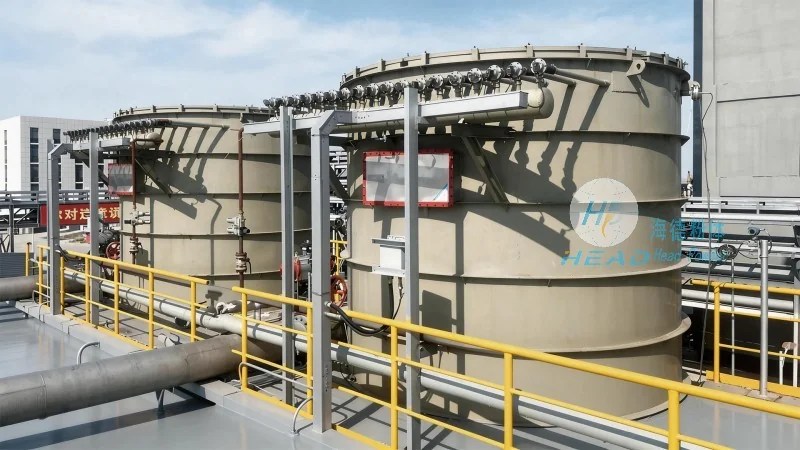
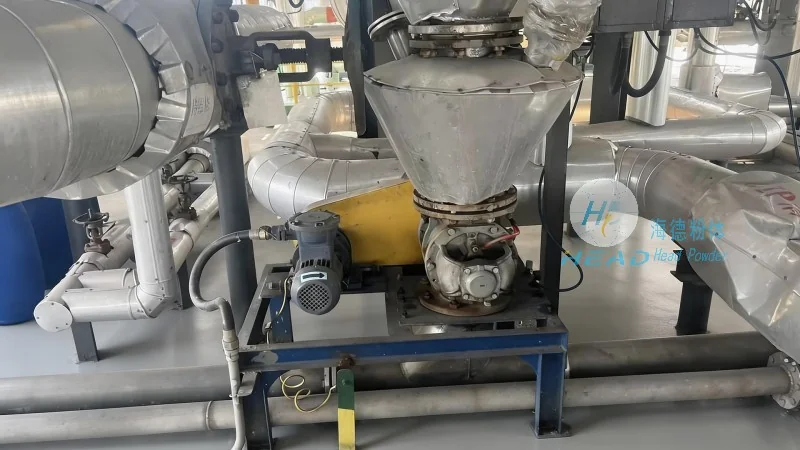
Overview of the Automatic Feeding Pneumatic Conveying Machine
The automatic feeding pneumatic conveying machine is a sophisticated piece of equipment designed to handle the transportation of bulk materials from a storage hopper or silo to processing units or packaging stations. The system integrates an automated feeding mechanism with a pneumatic conveying pipeline, enabling seamless material transfer without the need for manual intervention. Key components include a hopper, a feeding valve, a conveying pipeline, a receiver, and a control system. The machine is engineered to ensure consistent material flow, minimize downtime, and enhance overall production throughput.
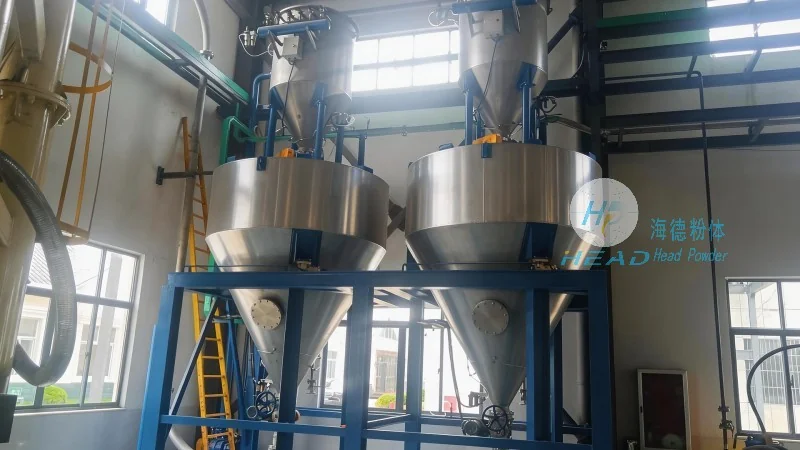
Operation Process of the Automatic Feeding Pneumatic Conveying Machine
The operation of the automatic feeding pneumatic conveying machine begins with the storage of bulk materials in a hopper. The hopper is typically made of stainless steel or other corrosion-resistant materials, depending on the material being conveyed. A level sensor is installed inside the hopper to continuously monitor the material level. When the material level reaches a low point, the sensor sends a signal to the control system, which triggers the opening of the feeding valve. The feeding valve is a critical component that controls the flow rate of the material into the conveying pipeline. It is usually a rotary valve or a slide valve, designed to handle different types of bulk materials, such as powders, granules, or small particles. As the material flows into the pipeline, the control system activates the air compressor, which generates the necessary air pressure. The air compressor is connected to the conveying pipeline through a series of pipes and fittings, ensuring a smooth and consistent air flow. The air pressure is typically maintained at a level of 0.5 to 1.0 MPa, depending on the material characteristics and the distance to be conveyed. The material is then entrained by the air flow and transported as a suspension through the pipeline. The conveying pipeline is usually made of stainless steel or plastic, with appropriate bends and elbows to guide the material and air flow. The pipeline is equipped with pressure sensors and flow meters to monitor the system's performance. The receiver, located at the end of the pipeline, is a container that collects the conveyed material. It is often a cyclone separator, which uses centrifugal force to separate the material from the air stream. The separated material is collected in a hopper or a storage bin, while the air is either recirculated back to the compressor or vented to the atmosphere. The control system continuously monitors the pressure, flow rate, and material level, adjusting the air pressure and feeding rate as needed to maintain optimal operation. This closed-loop control system ensures that the conveying process is efficient, reliable, and safe, minimizing the risk of material spillage or equipment failure.
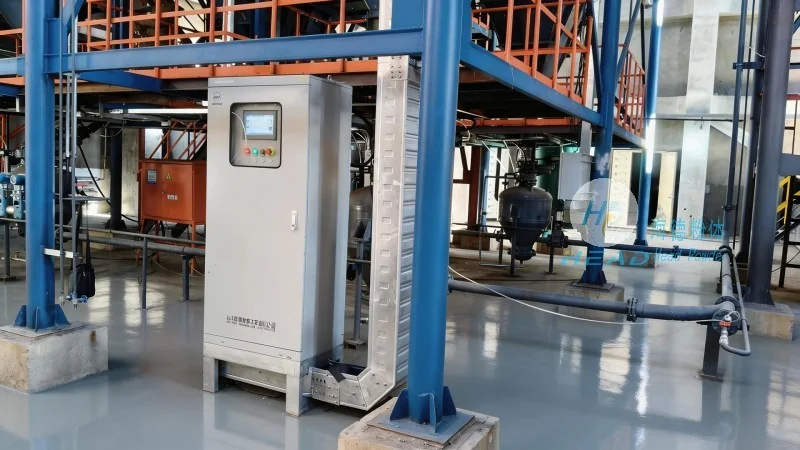
Working Principle of the Automatic Feeding Pneumatic Conveying Machine
The working principle of the automatic feeding pneumatic conveying machine is based on the fundamental concept of pneumatic transport, which involves the use of air as a medium to move bulk materials. The system operates by creating a pressure differential between the hopper and the receiver. The air compressor generates high-pressure air, which is introduced into the conveying pipeline. As the air flows through the pipeline, it creates a low-pressure zone at the hopper end, which draws the material into the pipeline as a suspension. The material particles are carried by the air flow, moving with the air stream at a velocity sufficient to overcome gravity and any resistance in the pipeline. The conveying process is characterized by the formation of a "slug" or a "plug" of material and air, which travels through the pipeline. The velocity of the air stream is typically higher than the terminal velocity of the material particles, ensuring that the material is fully entrained and transported without settling. The receiver, often a cyclone or a filter, separates the material from the air by using centrifugal force or filtration. The separated material is collected in a container, while the air is either recirculated to the compressor or vented. The control system manages the air flow rate and pressure to maintain a stable material flow rate, ensuring that the conveying process is consistent and efficient. The automatic feeding mechanism ensures that the material is fed at a controlled rate, matching the conveying capacity of the system and preventing overloading or underflow. This integrated approach allows the automatic feeding pneumatic conveying machine to operate efficiently and reliably, even with varying material characteristics and production demands.