

Operation Process and Working Principle of Light Calcium Carbonate Pneumatic Conveying Equipment
Light calcium carbonate is a widely used industrial material, and the efficient transportation of this material is crucial for production processes. Pneumatic conveying equipment, specifically designed for light calcium carbonate, offers a reliable solution for material handling. This article provides an in-depth look at the operation process and working principle of such equipment, highlighting the key components and the step-by-step procedures involved.
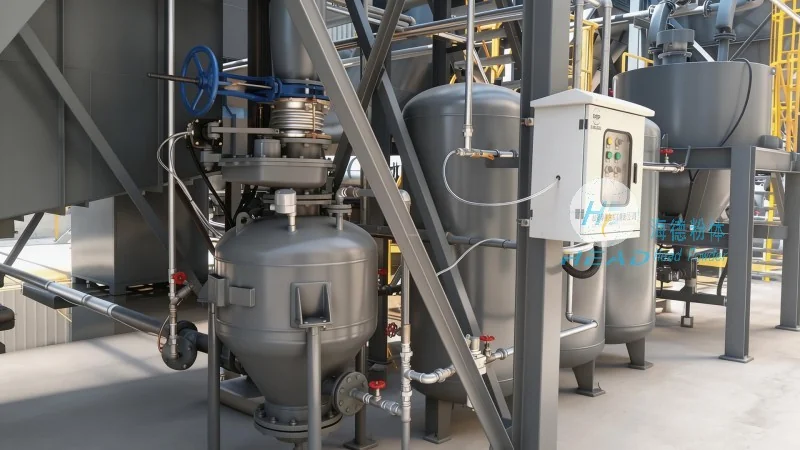
Overview of Light Calcium Carbonate Pneumatic Conveying Equipment
Light calcium carbonate, also known as precipitated calcium carbonate (PCC), is a fine powder commonly used in various industries, including paper, plastics, and coatings. The pneumatic conveying system for this material is engineered to transport the powder from a storage silo or hopper to processing units without the need for mechanical components like belts or buckets. The system typically consists of several key components, including a hopper, feeder, air compressor, pipeline, and receiver. Each component plays a vital role in ensuring the smooth and efficient movement of the material.
Key Components of the Pneumatic Conveying System
The headpowder pneumatic conveying system for light calcium carbonate is built with precision and durability in mind. The hopper is designed to store the bulk material and maintain a consistent feed rate. The feeder, often a rotary valve or a screw feeder, regulates the flow of the powder into the pipeline. The air compressor generates the necessary air pressure to create the conveying air stream. The pipeline, usually made of stainless steel or other corrosion-resistant materials, transports the material and air mixture. Finally, the receiver collects the material at the destination point, separating it from the air before it is discharged.
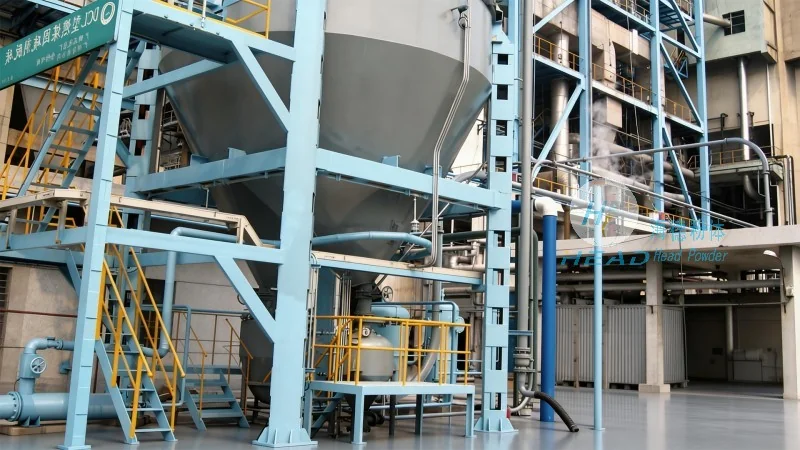
Operation Process of the Pneumatic Conveying Equipment
The operation of the light calcium carbonate pneumatic conveying equipment follows a systematic sequence to ensure optimal performance. The process begins with the material being loaded into the hopper. The feeder then starts to discharge the powder at a controlled rate. Simultaneously, the air compressor activates and supplies compressed air into the pipeline. The air stream, moving at high velocity, creates a negative pressure in the hopper and draws the material into the pipeline. As the material travels through the pipeline, it is carried by the air flow until it reaches the receiver. At the receiver, the material is separated from the air using a cyclone or other separation equipment, and the air is then discharged or recycled. The entire process is automated, with sensors and controls monitoring the flow rate, pressure, and other parameters to maintain consistent operation.
Working Principle of the Pneumatic Conveying System
The working principle of the pneumatic conveying system for light calcium carbonate is based on the principle of fluidization and the momentum of the air stream. When compressed air is introduced into the pipeline, it creates a high-velocity air flow that interacts with the powder particles. The air flow lifts and transports the particles, converting them into a fluidized state. The key to efficient conveying is maintaining the right air-to-material ratio, which ensures that the particles are fully suspended and move smoothly through the pipeline without clogging or degradation. The system’s design, including the size of the pipeline, the velocity of the air, and the feed rate, is optimized to achieve this balance. The separation process at the receiver is critical, as it ensures that the material is collected in a clean and dry state, ready for further processing.
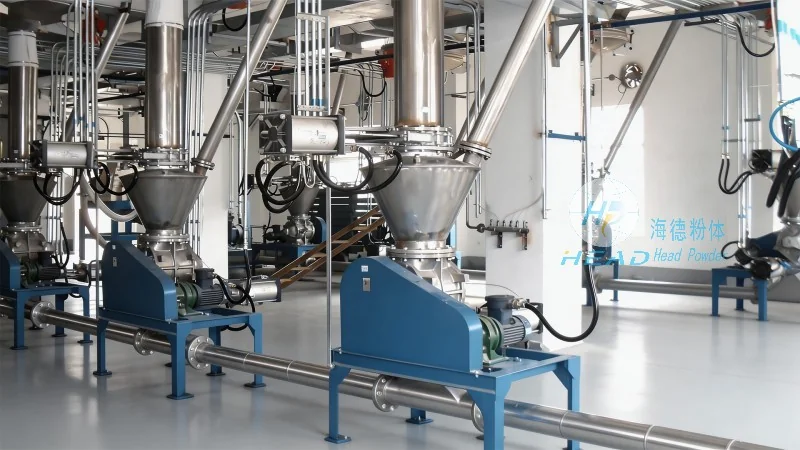
Benefits of Using Pneumatic Conveying for Light Calcium Carbonate
Implementing a pneumatic conveying system for light calcium carbonate offers several advantages over traditional mechanical conveying methods. Firstly, it eliminates the need for moving parts, reducing maintenance costs and the risk of mechanical failure. Secondly, the system is highly efficient in terms of energy consumption, as the air compressor operates at a consistent pressure, minimizing energy waste. Thirdly, the equipment is hygienic and suitable for handling food-grade or pharmaceutical-grade materials, as it prevents contamination from external sources. Additionally, the system can handle a wide range of particle sizes and flow rates, making it versatile for various production needs. The headpowder engineering company, based in Shandong, China, specializes in designing and manufacturing such systems tailored to the specific requirements of light calcium carbonate applications.
Conclusion
In conclusion, the operation process and working principle of light calcium carbonate pneumatic conveying equipment are designed to provide a reliable and efficient method for material handling. The system’s components work in harmony to transport the fine powder from the source to the destination, ensuring minimal loss and maximum productivity. With proper maintenance and operation, such equipment can significantly enhance the efficiency of production lines in industries that rely on light calcium carbonate. The Shandong HeadPowder Engineering Co., Ltd. continues to innovate in this field, providing high-quality solutions for its clients in China and beyond.