

Operation Process and Working Principle of Dry Powder Air-Lift Conveyor for Flocculants
HeadPowder, a leading provider of industrial material handling solutions, specializes in the design and manufacturing of advanced dry powder air-lift conveyors tailored for flocculant applications. Based in Shandong, China, the company leverages over two decades of engineering expertise to deliver efficient, reliable, and cost-effective equipment for the chemical processing industry. This article delves into the operation process and working principle of their dry powder air-lift conveyor system, highlighting its key components, operational workflow, and technical advantages.
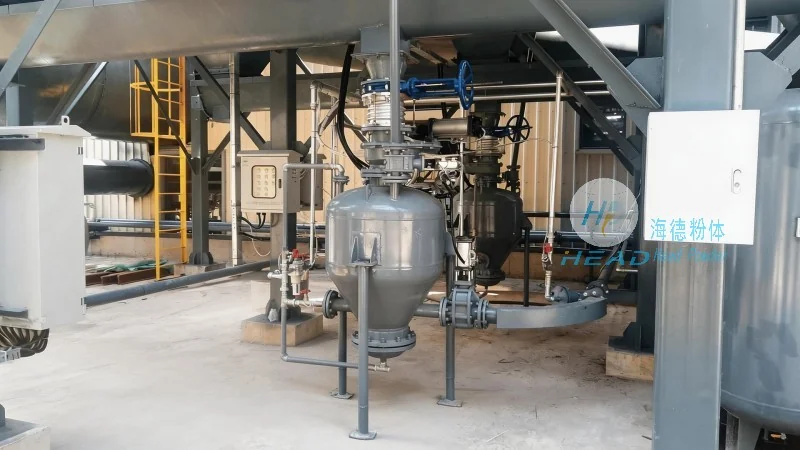
Overview of the Dry Powder Air-Lift Conveyor System
The dry powder air-lift conveyor for flocculants is a pneumatic conveying device engineered to transport dry powders, such as flocculants, from a storage silo or hopper to a processing unit. Unlike traditional mechanical conveyors, this system utilizes compressed air to move the material, offering advantages like reduced maintenance, lower energy consumption, and the ability to handle fine or abrasive powders without degradation. The system typically consists of several core components, including a hopper, a conveying pipe, a venturi or airlock mechanism, and a control panel, all integrated to ensure smooth and continuous material transfer.
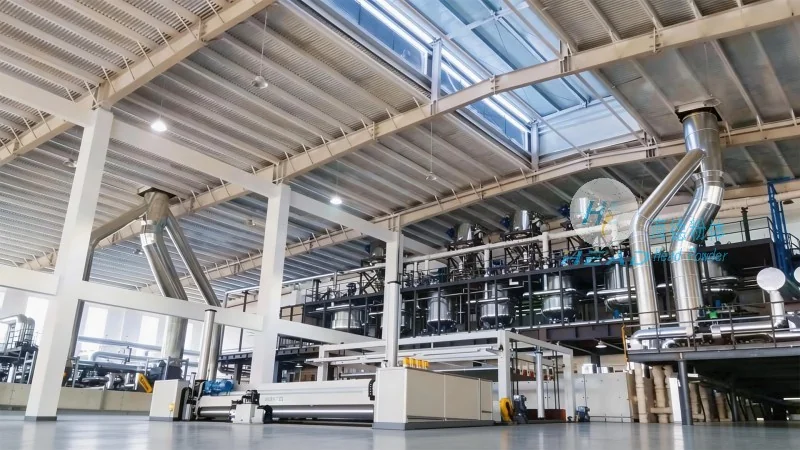
Working Principle of the Air-Lift Conveyor
The fundamental principle behind the dry powder air-lift conveyor is the creation of a pressure differential between the inlet and outlet of the conveying pipe. Compressed air is introduced into the lower section of the pipe, where it mixes with the flocculant powder. As the air and powder mixture moves upward, the air velocity increases, creating a suction effect that pulls additional powder from the hopper. This process, known as pneumatic conveying, relies on the interaction between the air flow and the powder particles to achieve efficient transport. The venturi or airlock mechanism at the discharge end regulates the flow rate, preventing backflow and ensuring a steady supply of material to the processing equipment.
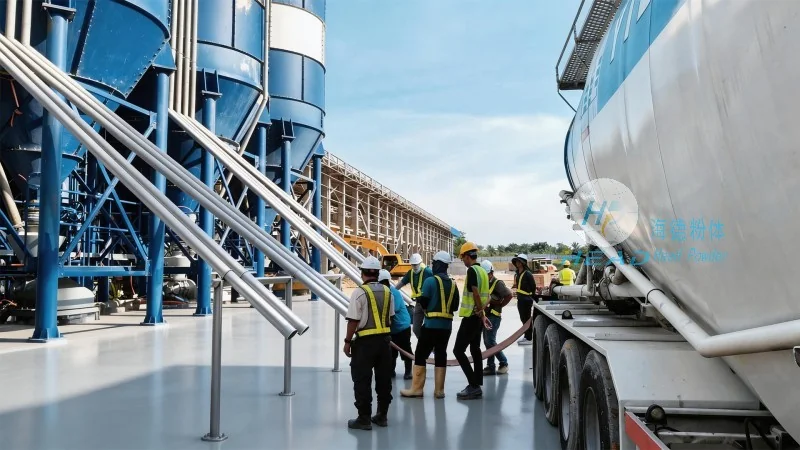
Step-by-Step Operation Process
The operation of the dry powder air-lift conveyor for flocculants follows a systematic sequence to ensure optimal performance and material handling. The process begins with the loading of the flocculant powder into the hopper. Once the hopper is filled, the control panel activates the compressed air system, which starts delivering air at a predetermined pressure and flow rate. The air enters the lower part of the conveying pipe, where it mixes with the powder and initiates the upward movement. As the mixture ascends, it passes through the venturi or airlock, which controls the discharge rate. The material is then delivered to the processing unit, such as a mixer or reactor, where it is incorporated into the production process. The system continues to operate until the hopper is emptied or the processing demand changes, at which point the control panel can be adjusted to stop the air supply and allow for maintenance or refilling.
Key Technical Features and Advantages
HeadPowder’s dry powder air-lift conveyor for flocculants incorporates several technical features that enhance its performance and reliability. The system is designed with a robust hopper and conveying pipe to withstand the abrasive nature of flocculant powders, minimizing wear and tear over time. The airlock mechanism ensures that the material is discharged smoothly without clogging or spillage, maintaining a consistent flow rate. Additionally, the control panel allows for real-time monitoring of air pressure, flow rate, and material level, enabling operators to adjust the system parameters as needed to optimize performance. These features contribute to the system’s efficiency, durability, and low maintenance requirements, making it an ideal solution for industrial applications where reliable dry powder transport is critical.
Conclusion
In summary, the dry powder air-lift conveyor for flocculants by HeadPowder is a sophisticated pneumatic conveying system that efficiently transports dry powders while maintaining product integrity. By understanding its working principle and operation process, users can appreciate the technical advancements that enable smooth and reliable material handling. With its robust design and user-friendly controls, this equipment is a valuable asset for chemical processing facilities seeking to enhance their production efficiency and reduce operational costs.