

Introduction to Lysine Pneumatic Conveying Systems: Structure and Working Principles
HeadPowder, a leading manufacturer based in Shandong, China, specializes in the design and production of advanced pneumatic conveying systems tailored for the lysine industry. This article provides a comprehensive overview of the lysine pneumatic conveying line, focusing on its structural components and operational principles to help clients understand the technology's efficiency and reliability.
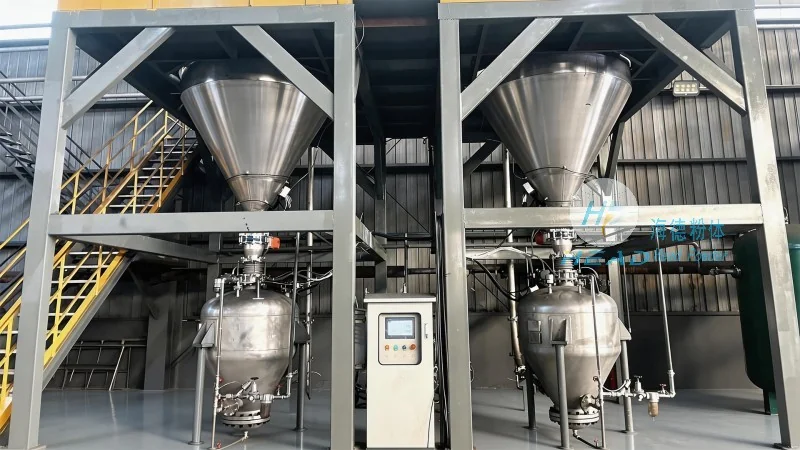
Key Components of the Lysine Pneumatic Conveying System
The lysine pneumatic conveying system is composed of several critical components that work in tandem to ensure the safe and efficient transport of lysine powder. The main elements include the material hopper, air compressor, conveying pipeline, dust collector, and control system. Each component plays a vital role in the overall performance of the system.
The material hopper is the initial storage unit where raw lysine powder is loaded. It is equipped with a feeding mechanism, such as a rotary valve or screw feeder, which regulates the flow of material into the conveying pipeline. This ensures a consistent and controlled feed rate, preventing blockages and maintaining system stability. The hopper is typically made of high-quality stainless steel to withstand the corrosive nature of lysine and ensure hygiene standards are met.
The air compressor is the heart of the pneumatic conveying system, responsible for generating the necessary air pressure to move the lysine powder through the pipeline. High-pressure air is introduced into the conveying line, creating a flow that propels the powder particles. The choice of compressor type, such as rotary or reciprocating, depends on the specific requirements of the lysine processing plant, including the required pressure, flow rate, and energy efficiency. Proper maintenance of the compressor is essential to ensure consistent performance and minimize downtime.
The conveying pipeline is a network of pipes that transports the lysine powder from the hopper to the destination point, such as a storage silo or processing unit. The pipeline is typically made of stainless steel or other corrosion-resistant materials to prevent contamination and ensure durability. The design of the pipeline includes bends, elbows, and straight sections, which are carefully engineered to minimize pressure loss and maintain the flow of material. The pipeline may also include pressure relief valves and check valves to prevent backflow and protect the system from overpressure.
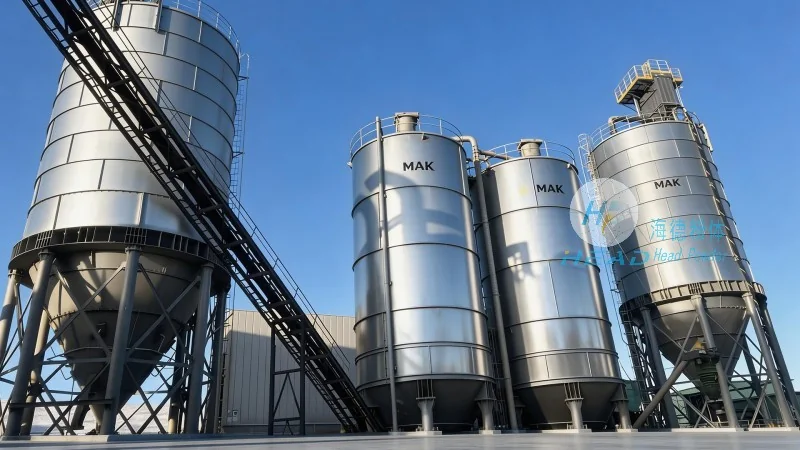
The dust collector is an essential component for maintaining air quality and ensuring compliance with environmental regulations. It captures any airborne particles of lysine that may escape during the conveying process. The dust collector typically uses a filtration system, such as a baghouse or cartridge filter, to remove the particles from the air stream. The collected dust is then returned to the material hopper or disposed of according to local regulations. Regular maintenance of the dust collector is crucial to ensure its effectiveness and prevent clogging.
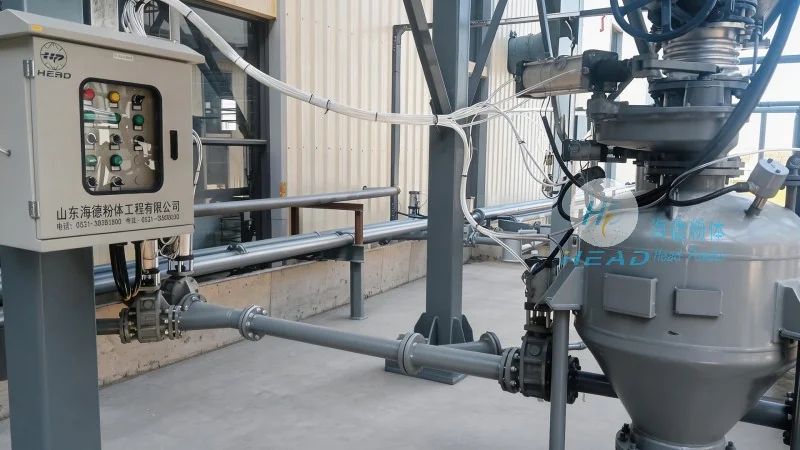
The control system is responsible for monitoring and controlling the operation of the pneumatic conveying system. It includes sensors, such as pressure sensors and flow meters, which provide real-time data on the system's performance. The control system can adjust the air pressure, feed rate, and other parameters to optimize the conveying process and prevent issues such as overloading or blockages. The system may also include alarms and safety features to alert operators of any problems and ensure the safe operation of the equipment.
Working Principles of the Lysine Pneumatic Conveying System
The operation of the lysine pneumatic conveying system follows a simple yet effective principle: the use of compressed air to transport dry powder materials. The process begins with the loading of lysine powder into the material hopper. The feeding mechanism then releases the powder into the conveying pipeline, where it is mixed with high-pressure air. The air and powder mixture travels through the pipeline, propelled by the air flow. The powder particles are suspended in the air stream, allowing them to be transported efficiently over long distances.
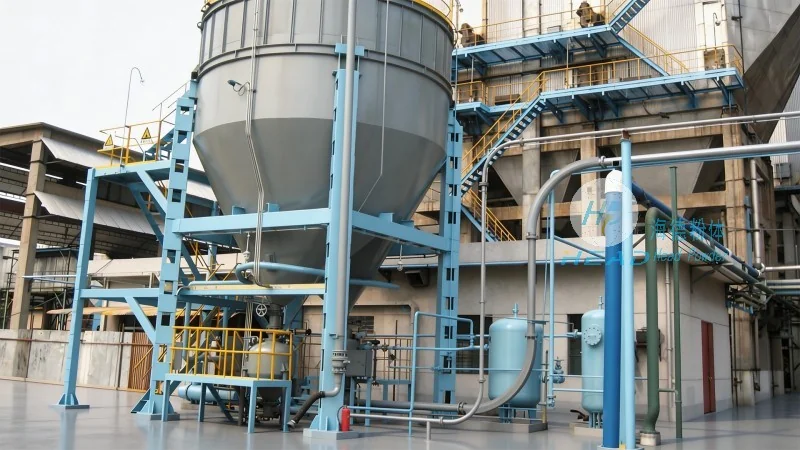
As the mixture moves through the pipeline, it passes through various components, such as bends and elbows, which may cause some pressure loss. The pressure relief valves and check valves help maintain the pressure within the system and prevent backflow. The dust collector captures any particles that may be released from the pipeline, ensuring that the air is clean and safe to release into the environment.
The conveying process continues until the lysine powder reaches its destination point. At this point, the air and powder mixture is separated, typically using a separator or cyclone. The air is then released into the atmosphere, while the lysine powder is collected in the destination silo or processing unit. The control system monitors the entire process, adjusting parameters as needed to ensure optimal performance.
The efficiency of the lysine pneumatic conveying system is influenced by several factors, including the particle size and density of the lysine powder, the air pressure and flow rate, and the length and diameter of the conveying pipeline. Proper design and maintenance of the system are essential to maximize its efficiency and minimize energy consumption. HeadPowder's expertise in designing and manufacturing these systems ensures that clients receive high-quality equipment that meets their specific needs and operates reliably.
Benefits of Using a Lysine Pneumatic Conveying System
Implementing a lysine pneumatic conveying system offers numerous benefits for lysine processing plants. One of the primary advantages is the ability to transport lysine powder over long distances without the need for manual handling or mechanical conveyors. This reduces labor costs and improves safety by minimizing the risk of accidents and exposure to dust. The system also ensures a consistent and controlled flow of material, which is crucial for maintaining the quality of the lysine product.
Another benefit is the improved hygiene and cleanliness of the conveying process. The use of stainless steel components and enclosed pipelines prevents contamination from external sources and reduces the risk of cross-contamination between different batches of lysine. This is particularly important in the food and feed industry, where product quality and safety are paramount.
The pneumatic conveying system also offers flexibility in terms of layout and installation. The pipeline can be easily routed around obstacles and installed in various configurations to fit the specific space constraints of the processing plant. This allows for a more efficient use of the available floor space and reduces the need for additional equipment or infrastructure.
Furthermore, the system is energy-efficient and environmentally friendly. By using compressed air to transport the material, the system reduces the need for mechanical components, such as belts and pulleys, which can be prone to wear and tear. The dust collector ensures that the air is clean and does not contribute to air pollution, making the system compliant with environmental regulations. HeadPowder's commitment to sustainability is reflected in the design of their lysine pneumatic conveying systems, which are built to minimize energy consumption and environmental impact.