

[Potassium Carbonate Pneumatic Conveying Line: An Overview of Its Structure and Working Principle]
HeadPowder, a leading provider in the field of powder handling and material processing, specializes in the design and manufacturing of advanced pneumatic conveying systems. This article provides a detailed overview of the potassium carbonate pneumatic conveying line, focusing on its structural components and operational principles. The company, Shandong HeadPowder Engineering Co., Ltd., is headquartered in Shandong, China, and has established a strong reputation for delivering high-quality industrial solutions tailored to the needs of various industries.
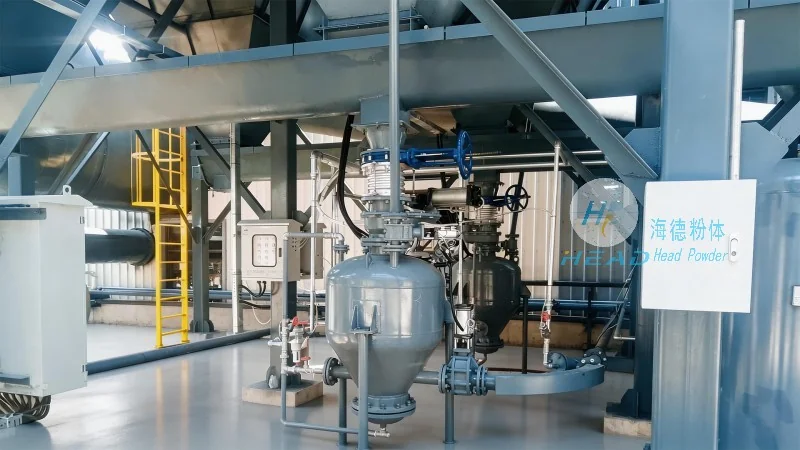
Introduction to the Potassium Carbonate Pneumatic Conveying Line
The potassium carbonate pneumatic conveying line is a sophisticated system engineered to transport potassium carbonate—a white crystalline powder widely used in chemical, pharmaceutical, and food industries—through a network of pipes using compressed air or other gas streams. This method offers a dust-free, efficient, and continuous means of material transfer compared to traditional mechanical conveyors. The system is designed to handle the specific physical and chemical properties of potassium carbonate, ensuring minimal product degradation and optimal operational performance.
Key Structural Components of the Pneumatic Conveying System
The potassium carbonate pneumatic conveying line consists of several critical components that work in concert to facilitate material transport. These components include:
1. Feed Hopper and Metering Device: The feed hopper serves as the initial storage and feeding unit, where bulk potassium carbonate is loaded. The metering device, often a rotary valve or a screw feeder, regulates the flow rate of the material into the conveying line, ensuring consistent and controlled feed. This component is crucial for maintaining stable system performance and preventing overloading or underfeeding.
2. Air Supply System: Compressed air or gas is supplied to the system through a high-pressure compressor or a gas source. The air supply system includes filters, regulators, and pressure vessels to ensure the air is clean, dry, and at the appropriate pressure for efficient conveying. Proper air quality is essential to avoid contamination of the potassium carbonate and to maintain the longevity of system components.
3. Conveying Pipeline: The pipeline network forms the core of the system, consisting of straight sections, bends, and fittings that guide the material and air mixture through the system. The pipeline is typically made of materials such as stainless steel or PVC, selected for their resistance to corrosion and chemical compatibility with potassium carbonate. The design of the pipeline, including the diameter and length, is optimized to minimize pressure drop and energy consumption while ensuring reliable material transport.
4. Separation and Collection System: At the receiving end of the conveying line, a separation system is employed to separate the potassium carbonate from the air stream. This typically involves a cyclone separator or a bag filter, which uses centrifugal force or filtration to capture the powder and return it to a collection bin. The separated air is then discharged or recirculated, depending on the system design. This component is vital for maintaining product purity and preventing dust emissions.
5. Control and Monitoring System: The control system manages the operation of the pneumatic conveying line, including the air pressure, flow rate, and feed rate. Sensors and indicators monitor key parameters such as pressure, temperature, and material level, providing real-time feedback to operators. This system ensures safe and efficient operation, allowing for adjustments to be made quickly in response to changes in process conditions.
Working Principle of the Pneumatic Conveying Line
The operation of the potassium carbonate pneumatic conveying line is based on the principle of pneumatic transport, where compressed air is used to create a flow that carries the material particles through the pipeline. The process can be described in several stages:
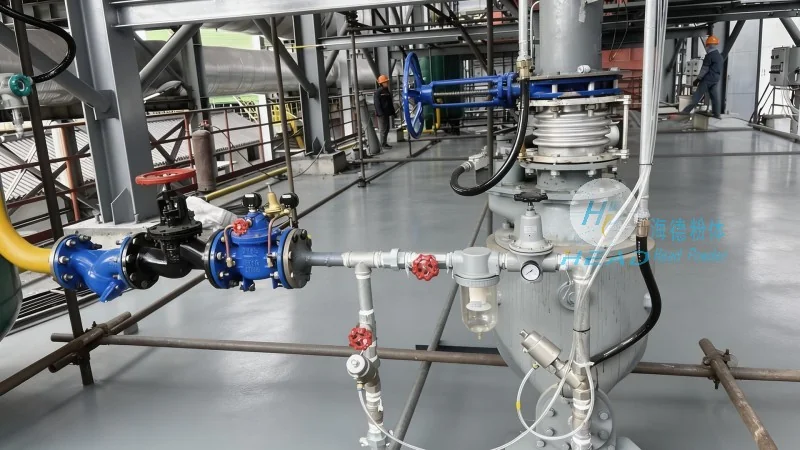
1. Material Intake: Potassium carbonate is fed from the hopper into the pipeline via the metering device. Simultaneously, compressed air is introduced into the pipeline, creating a high-velocity air stream.
2. Suspension and Conveyance: The air stream lifts and suspends the potassium carbonate particles, forming a dense phase or dilute phase mixture. The velocity of the air is maintained above the minimum conveying velocity to prevent particle settling and ensure continuous transport. The mixture travels through the pipeline, overcoming friction losses and changes in elevation.
3. Transport to Destination: The material-air mixture moves from the feed point to the receiving point, which may be a storage silo, a processing unit, or another location within the facility. The pipeline design, including bends and vertical sections, is optimized to minimize pressure drop and maintain the stability of the mixture.
4. Separation and Collection: At the receiving end, the mixture enters the separation system. The centrifugal force in the cyclone separator causes the heavier potassium carbonate particles to separate from the air stream and fall into the collection bin. The air, now relatively clean, is either discharged to the atmosphere or recirculated back to the system for reuse, depending on the specific application and environmental regulations.
Advantages of the Potassium Carbonate Pneumatic Conveying Line
The use of a pneumatic conveying system for potassium carbonate offers several advantages over traditional methods:
1. Dust-Free Operation: Unlike mechanical conveyors, which can generate significant dust and particulate emissions, the pneumatic system operates in a closed loop, minimizing environmental impact and improving workplace safety.
2. High Efficiency and Capacity: The system can handle large volumes of potassium carbonate at high speeds, reducing the overall time required for material transfer and increasing production throughput.
3. Minimal Product Degradation: The enclosed and controlled environment of the pneumatic system prevents exposure to moisture, air, or other contaminants, preserving the quality and purity of the potassium carbonate. This is particularly important for applications where product integrity is critical, such as in pharmaceutical or food processing.
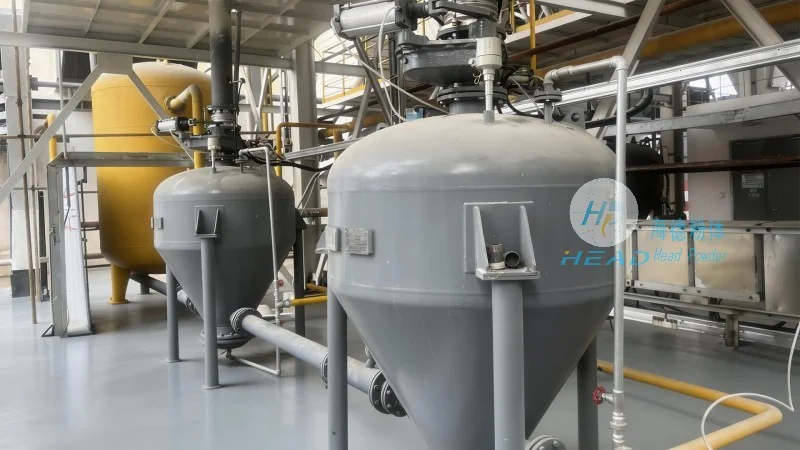
4. Flexibility and Scalability: The system can be easily adapted to different production requirements, with components such as the feed hopper and pipeline length adjustable to accommodate changes in material volume or processing needs. This flexibility makes it suitable for both small-scale and large-scale operations.
5. Reduced Maintenance: Compared to mechanical conveyors, which require regular lubrication and part replacement, the pneumatic system has fewer moving parts and lower maintenance requirements. The use of corrosion-resistant materials and proper air filtration also extends the lifespan of the equipment.
Application Examples and Industry Use Cases
The potassium carbonate pneumatic conveying line is widely used in various industries due to its versatility and efficiency. Some common applications include:
1. Chemical Manufacturing: In chemical plants, potassium carbonate is used as a raw material for the production of other chemicals, such as sodium carbonate or potassium-based fertilizers. The pneumatic conveying system efficiently transports the material from storage to processing units, ensuring a continuous supply of raw material.
2. Pharmaceutical Industry: In pharmaceutical manufacturing, potassium carbonate is used as an excipient or an active ingredient in various formulations. The system's ability to handle the material in a dust-free environment is crucial for maintaining product purity and meeting stringent regulatory requirements.
3. Food Processing: In the food industry, potassium carbonate is used as a leavening agent or a buffering agent in baking and food production. The system ensures that the material is transferred hygienically and without contamination, meeting food safety standards.
4. Fertilizer Production: In fertilizer manufacturing, potassium carbonate is used as a source of potassium for agricultural applications. The pneumatic conveying system efficiently transports the material to blending and packaging units, optimizing the production process.
Conclusion
The potassium carbonate pneumatic conveying line, designed and manufactured by Shandong HeadPowder Engineering Co., Ltd., represents a cutting-edge solution for the efficient and safe transport of potassium carbonate. By integrating advanced structural components and a well-defined operational principle, the system offers numerous benefits, including dust-free operation, high efficiency, and minimal product degradation. With its flexibility and scalability, the system is well-suited for a wide range of industrial applications, making it an essential asset for companies operating in the chemical, pharmaceutical, food, and fertilizer sectors. HeadPowder continues to innovate in powder handling technology, providing reliable and high-performance solutions to meet the evolving needs of the industry.