

Introduction to Ammonium Chloride Pneumatic Conveying Systems: Structure and Working Principles
Ammonium chloride, a widely used chemical compound in various industrial applications, often requires efficient and reliable material handling solutions. The pneumatic conveying system designed for transporting ammonium chloride is a critical piece of equipment that ensures safe and effective movement of this material. This article provides an overview of the structure and working principles of such a system, highlighting its key components and operational mechanisms.
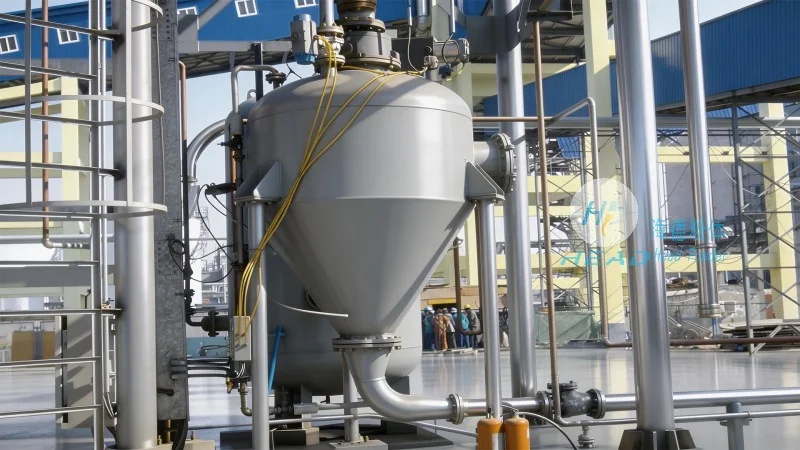
Overview of Ammonium Chloride Pneumatic Conveying Systems
Ammonium chloride pneumatic conveying systems are engineered to handle the unique properties of ammonium chloride, including its granular or powdered form, which can be sensitive to moisture and temperature changes. These systems are typically used in industries such as chemical manufacturing, food processing, and pharmaceuticals, where precise and controlled material transport is essential. The system's design aims to minimize material degradation, prevent contamination, and ensure consistent flow rates, making it a preferred choice for handling ammonium chloride compared to traditional mechanical conveying methods.
Key Components of the Pneumatic Conveying System
The ammonium chloride pneumatic conveying system consists of several essential components that work in tandem to achieve efficient material transport. The primary components include the material hopper, which stores the ammonium chloride and feeds it into the system; the conveyor line, which can be either a positive or negative pressure system depending on the application; the air compressor or blower, which generates the necessary airflow to move the material; and the dust collector or filter, which removes any airborne particles and ensures environmental compliance. Additionally, the system may include valves, check valves, and pressure regulators to control the flow and pressure within the system, maintaining optimal operating conditions.
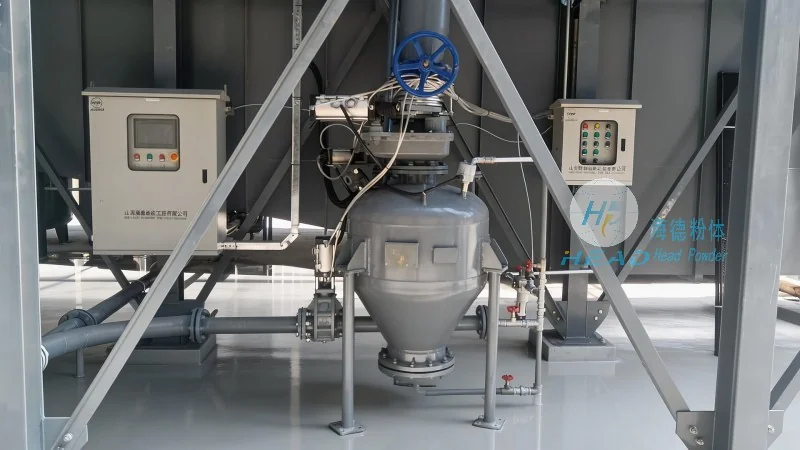
Working Principles of the Pneumatic Conveying System
The operation of the ammonium chloride pneumatic conveying system is based on the principle of air movement to transport the material. In a positive pressure system, the air compressor pushes air through the conveyor line, carrying the ammonium chloride particles along with it. The material is drawn into the system through the material hopper, where it is entrained by the airflow and transported to the discharge point. In a negative pressure system, the blower creates a vacuum that pulls the material from the hopper and moves it through the system. The system's design ensures that the airflow velocity is sufficient to prevent material settling or blockages, while maintaining energy efficiency. The dust collector at the end of the system captures any fine particles that may be released during transport, preventing air pollution and ensuring a clean working environment.
Structural Design and Material Considerations
The structural design of the ammonium chloride pneumatic conveying system is tailored to withstand the chemical properties of ammonium chloride and the operational conditions. The material hopper and conveyor line are typically made of corrosion-resistant materials such as stainless steel or special alloys to prevent degradation from the chemical. The system's components are also designed to handle the abrasive nature of the ammonium chloride particles, ensuring long-term durability and minimal maintenance. The air compressor and blower are selected based on the required airflow and pressure, with considerations for energy efficiency and noise reduction. The dust collector is equipped with high-efficiency filters to capture fine particles, ensuring compliance with environmental regulations and maintaining a safe working environment for personnel.
Operational Advantages and Applications
Ammonium chloride pneumatic conveying systems offer several operational advantages over traditional mechanical conveying methods. These include reduced material handling time, improved safety by minimizing manual handling, and enhanced product quality by preventing contamination and degradation. The system's flexibility allows for easy integration into existing production lines and can be adjusted to handle varying material flow rates. The applications of this system extend to various industries, including chemical manufacturing, where ammonium chloride is used as a raw material in the production of fertilizers, plastics, and pharmaceuticals. In food processing, the system can be used to transport ammonium chloride used as a food additive, ensuring consistent quality and safety. The system's ability to handle both bulk and fine powders makes it suitable for a wide range of applications, providing a reliable solution for material transport in diverse industrial settings.
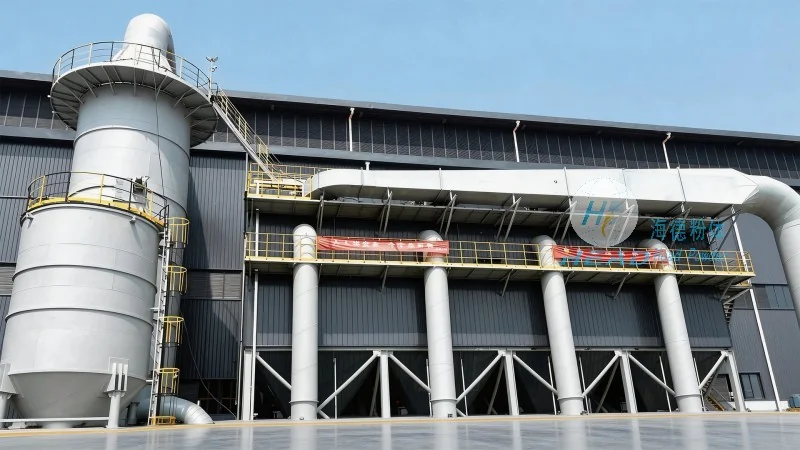
Maintenance and Safety Considerations
Maintaining the ammonium chloride pneumatic conveying system is crucial to ensure its long-term performance and reliability. Regular maintenance includes checking the air compressor and blower for proper operation, inspecting the conveyor line for blockages or wear, and cleaning the dust collector to maintain efficiency. The system should also be inspected for any signs of corrosion or damage, particularly in components exposed to the chemical. Safety considerations are paramount when operating the system, as ammonium chloride can be hazardous if inhaled or ingested. Personnel should wear appropriate personal protective equipment (PPE), including respirators and gloves, when handling the material. The system should also be equipped with safety features such as pressure relief valves and emergency shut-off switches to prevent accidents and ensure safe operation. Proper training of personnel on the system's operation and maintenance is essential to minimize risks and ensure compliance with safety regulations.
Conclusion
In conclusion, the ammonium chloride pneumatic conveying system is a sophisticated and efficient solution for handling this important chemical compound. Its design, based on the principles of air movement and careful consideration of material properties, ensures reliable and safe transport. The system's components, including the material hopper, conveyor line, air compressor, and dust collector, work together to achieve optimal performance. With proper maintenance and adherence to safety protocols, the system can provide long-term service in various industrial applications, contributing to the efficient production and handling of ammonium chloride. As a leading provider in this field, Shandong HeadPowder Engineering Co., Ltd. specializes in designing and manufacturing such systems, ensuring high-quality and reliable solutions for its clients in China and beyond.