

Introduction to Coal Ash Particle Pneumatic Conveying Systems and Their Structural Principles
HeadPowder, formally known as Shandong HeadPowder Engineering Co., Ltd., is a professional engineering company based in Shandong, China. The company specializes in the design, manufacturing, and installation of pneumatic conveying systems, particularly those tailored for handling coal ash particles. With a focus on industrial efficiency and material handling solutions, HeadPowder has established itself as a reliable partner in the field of bulk material transportation.
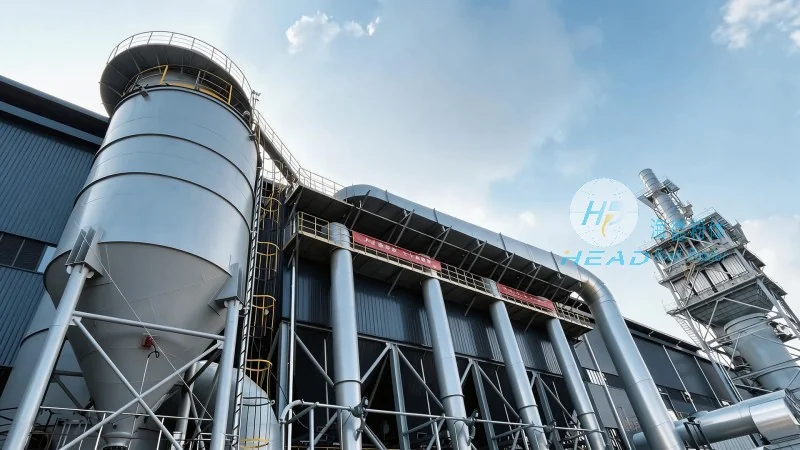
Pneumatic Conveying Systems for Coal Ash Particles
The coal ash particle pneumatic conveying line is a sophisticated system engineered to transport coal ash from storage silos or processing units to disposal or utilization sites. This system utilizes air as the primary medium to move the solid particles, eliminating the need for traditional mechanical conveyors that may suffer from wear and tear or material blockages. The design of this system is optimized for the specific characteristics of coal ash, such as its particle size, density, and moisture content, ensuring efficient and reliable operation.
Structural Components and Working Principle
The core components of the coal ash particle pneumatic conveying system include a feeding hopper, a rotary valve, a pipeline network, a pressure vessel (or receiver), and a dust collection system. The working principle involves the following steps: first, coal ash is fed into the hopper from the source; then, a rotary valve controls the flow rate and introduces the material into the pipeline. Compressed air is then introduced into the pipeline, creating a flow that carries the coal ash particles through the system. The air and ash mixture travels to the pressure vessel, where the ash is separated from the air through a cyclone or other separation device. The separated ash is collected in the vessel, while the air is either filtered and recirculated or discharged to the atmosphere. This closed-loop system minimizes dust emissions and ensures compliance with environmental regulations.
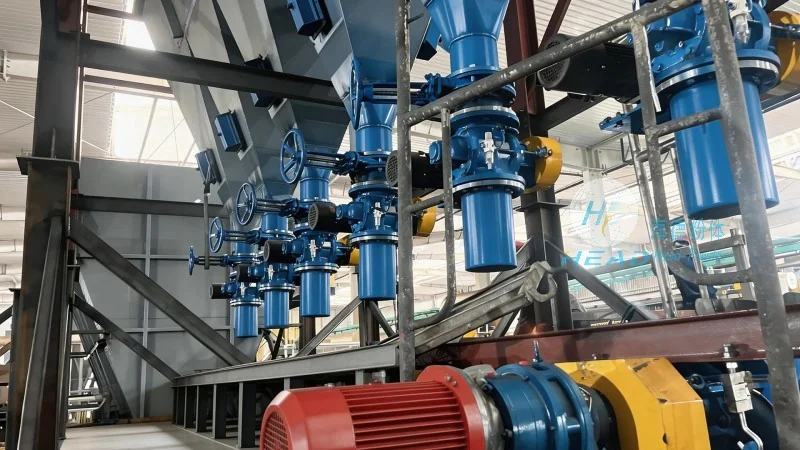
Advantages of the Pneumatic Conveying System
Compared to traditional conveyor systems, the coal ash particle pneumatic conveying line offers several advantages. Firstly, it provides a dust-free operation, which enhances workplace safety and reduces the risk of respiratory issues for operators. Secondly, the system is highly flexible, allowing for changes in the conveying route or capacity without major structural modifications. Thirdly, it is capable of handling a wide range of particle sizes and densities, making it suitable for various coal ash processing applications. Additionally, the system is low maintenance, as it has fewer moving parts compared to mechanical conveyors, reducing downtime and operational costs.
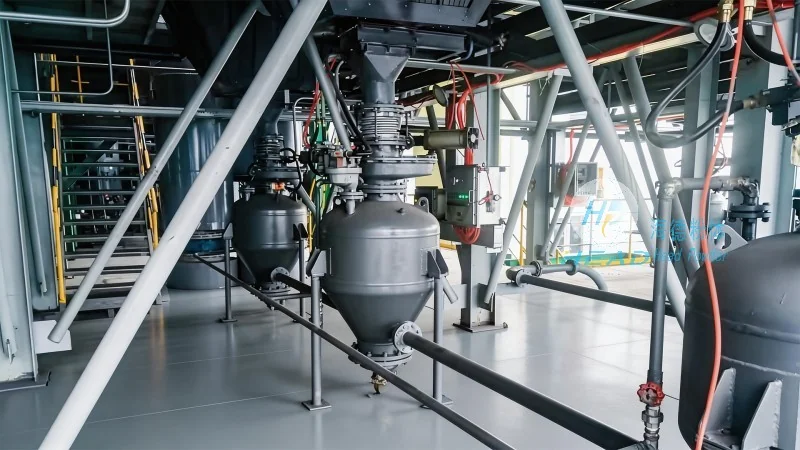
Application Scenarios
The coal ash particle pneumatic conveying system is widely used in power plants, where coal ash is generated as a byproduct of coal combustion. The system efficiently transports ash from the boiler to storage facilities or to other processing units for further utilization, such as in cement production or as a filler material. It is also applicable in industrial settings where coal ash is used as a raw material for manufacturing construction materials or in environmental remediation projects. The system's ability to handle large volumes of material with minimal labor makes it an ideal solution for high-throughput operations.
Technical Specifications and Customization
HeadPowder offers customized solutions for coal ash particle pneumatic conveying systems, tailored to the specific requirements of each client. The technical specifications can vary based on factors such as the volume of ash to be conveyed, the distance of the conveying route, and the desired operating pressure. Common specifications include conveying capacities ranging from 10 to 500 tons per hour, pipeline lengths up to several kilometers, and operating pressures from 0.5 to 1.5 bar. The company's engineering team works closely with clients to design a system that meets their operational needs while ensuring compliance with local regulations and standards.