

Industrial Alkali Pneumatic Conveying Systems: Overview of Structure and Working Principles
Industrial alkali pneumatic conveying systems are essential equipment in various industrial applications, particularly in the handling and transportation of alkaline materials. These systems are designed to efficiently transport bulk alkali substances from one location to another, ensuring safety, reliability, and operational efficiency. The following overview will delve into the structural components and operational principles of such systems, highlighting their importance in modern industrial processes.
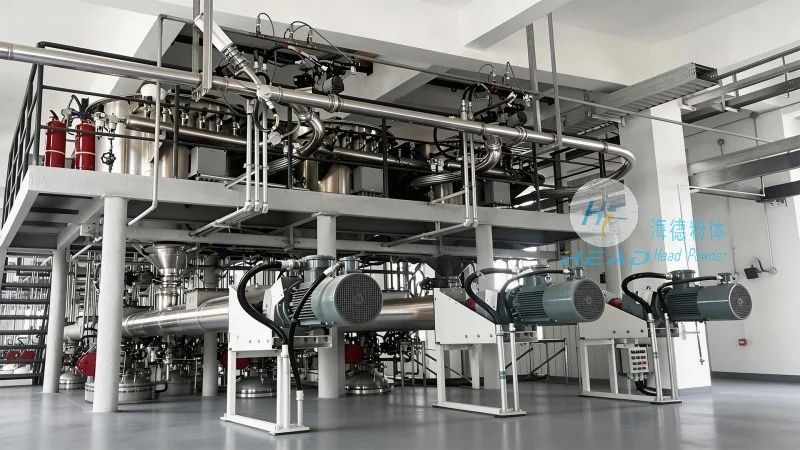
Key Structural Components of Industrial Alkali Pneumatic Conveying Lines
The industrial alkali pneumatic conveying system typically consists of several critical components that work in tandem to facilitate the movement of alkali materials. The primary components include the material hopper, which serves as the storage and feeding unit, ensuring a consistent supply of the alkali substance. The hopper is equipped with a feeding mechanism, such as a rotary valve or a screw feeder, which controls the flow rate of the material into the conveying line. This feeding mechanism is crucial for maintaining a steady and controlled flow, preventing blockages and ensuring smooth operation.
Next, the conveying line itself, often made of corrosion-resistant materials like stainless steel or special alloys, is designed to withstand the chemical properties of alkali substances. The line may be a single pipeline or a network of interconnected pipes, depending on the application requirements. The material is transported through the pipeline using compressed air or other gas streams, which creates a pressure differential that propels the material forward. The selection of the right material for the pipeline is vital to prevent corrosion and ensure long-term durability.
At the receiving end of the system, a collection hopper or a discharge unit is used to receive the conveyed alkali material. This component is designed to handle the material safely and efficiently, often with features like a discharge valve or a rotary valve to control the outflow. The system may also include additional components such as filters, cyclones, or dust collectors to manage any airborne particles and ensure environmental compliance. These auxiliary components are essential for maintaining the quality of the conveyed material and protecting the system from contamination.
Working Principles of Industrial Alkali Pneumatic Conveying Systems
The operational principle of an industrial alkali pneumatic conveying system is based on the use of compressed air or other gas to create a flow of material through the conveying line. The process begins with the material being fed from the hopper into the pipeline. As the compressed air is introduced into the pipeline, it creates a low-pressure zone that draws the material particles along with it. The air and material mixture travels through the pipeline, with the air providing the necessary force to move the material. The velocity of the air and the size of the material particles determine the efficiency of the conveying process.
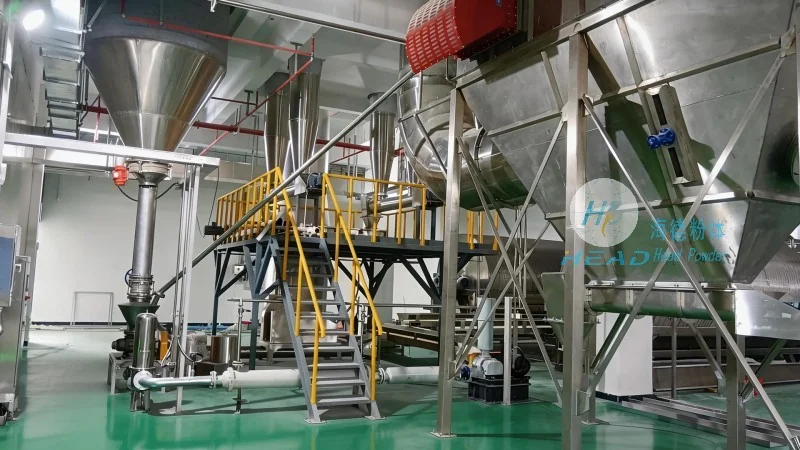
The system operates under either positive or negative pressure, depending on the specific application. In positive pressure systems, the pipeline is maintained at a higher pressure than the surrounding environment, pushing the material forward. In negative pressure systems, the pipeline is maintained at a lower pressure, creating a suction effect that pulls the material into the line. The choice between positive and negative pressure depends on factors such as the material's properties, the distance to be conveyed, and the environmental considerations.
The conveying process involves several stages, including the initial acceleration of the material as it enters the pipeline, the steady-state conveying phase where the material is continuously moved, and the deceleration phase as it approaches the receiving hopper. Each stage requires careful control of the air flow and material feed rate to ensure optimal performance. The system's control mechanisms, such as pressure sensors and flow meters, monitor the operational parameters and adjust the air supply or material feed as needed to maintain consistent performance.
Applications and Benefits of Industrial Alkali Pneumatic Conveying Systems
Industrial alkali pneumatic conveying systems are widely used in various industries, including chemical manufacturing, food processing, and pharmaceuticals. In the chemical industry, these systems are used to transport caustic soda, sodium hydroxide, and other alkaline chemicals, which are essential raw materials for the production of various products. The systems are also used in the food industry to handle alkaline substances like baking soda or sodium bicarbonate, ensuring safe and efficient transportation.
One of the primary benefits of using an industrial alkali pneumatic conveying system is the ability to handle bulk materials in a dust-free environment. Unlike traditional methods like bucket elevators or belt conveyors, pneumatic conveying systems minimize dust generation and exposure, improving workplace safety and environmental compliance. This is particularly important when handling alkaline materials, which can be hazardous if inhaled or come into contact with skin.
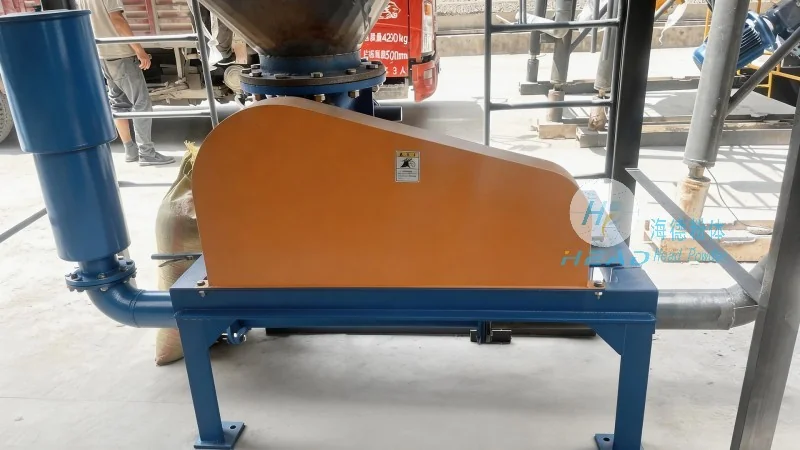
Another significant advantage is the flexibility and scalability of the system. Industrial alkali pneumatic conveying systems can be designed to handle a wide range of material types and quantities, from small-scale operations to large industrial plants. The modular design allows for easy expansion or modification as production needs change, providing long-term cost savings and operational efficiency.
The systems also offer high reliability and low maintenance requirements. With fewer moving parts compared to traditional conveyors, the pneumatic system reduces the risk of mechanical failure and simplifies maintenance procedures. This results in lower downtime and operational costs, making it a cost-effective solution for industrial applications.
Conclusion and Company Information
Industrial alkali pneumatic conveying systems are a critical component in modern industrial processes, providing efficient, safe, and reliable transportation of alkaline materials. The structural design and operational principles of these systems are carefully engineered to meet the demands of various applications, ensuring optimal performance and longevity. For businesses seeking to enhance their material handling capabilities, investing in a high-quality alkali pneumatic conveying system is a strategic decision that can improve operational efficiency and reduce costs.
Shandong HeadPowder Engineering Co., Ltd., a leading manufacturer in the field, specializes in the design, manufacturing, and installation of industrial alkali pneumatic conveying systems. With years of experience and a commitment to quality, the company provides customized solutions tailored to the specific needs of its clients. HeadPowder's systems are known for their durability, efficiency, and reliability, making them a trusted choice for industries worldwide. Located in Shandong, China, the company leverages its expertise and local resources to deliver top-tier products and services to its global clientele.