

Caustic Soda Pneumatic Conveying Equipment: An Overview of Its Structure and Operating Principles
Caustic soda, also known as sodium hydroxide, is a widely used chemical in various industrial processes. The efficient and safe handling of caustic soda is crucial for industrial operations, and pneumatic conveying systems have emerged as a reliable solution for transporting this corrosive material. This article provides an overview of caustic soda pneumatic conveying equipment, detailing its structural components and operational principles to help users understand its functionality and benefits.
Key Structural Components of Caustic Soda Pneumatic Conveying Systems
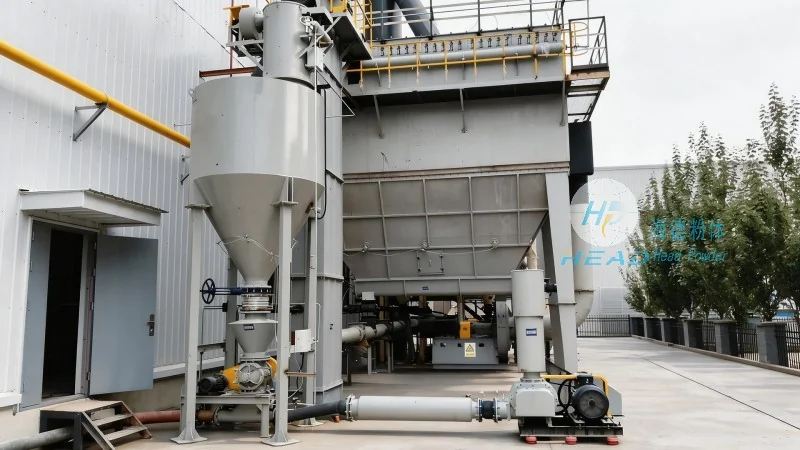
The caustic soda pneumatic conveying system typically consists of several key components that work in tandem to ensure effective material transport. The primary components include the hopper, feeder, air compressor, conveying line, and receiver. Each component plays a vital role in the overall operation of the system.
The hopper is the initial storage unit where caustic soda is loaded. It is designed with a sloped bottom to facilitate material flow into the feeder. The feeder, often a rotary valve or a screw feeder, regulates the flow of caustic soda from the hopper into the conveying line. This component ensures a consistent and controlled feed rate, preventing blockages and maintaining system efficiency.
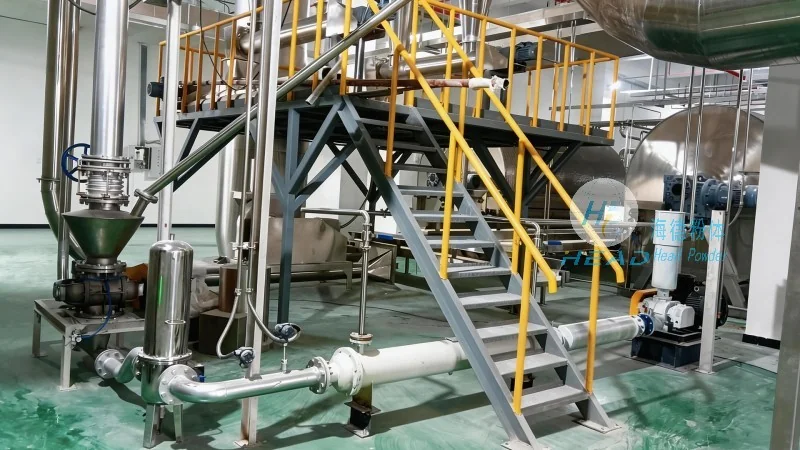
The air compressor is the heart of the pneumatic conveying system, generating the necessary air pressure to move the caustic soda particles through the conveying line. The compressor's capacity and pressure are selected based on the material's properties, such as particle size, density, and moisture content, as well as the distance and height of the conveying line. The conveying line, usually made of corrosion-resistant materials like stainless steel or polyethylene, transports the material from the feeder to the receiver. The receiver is the final storage unit where the caustic soda is deposited, and it is equipped with a venting system to release any accumulated air or gases.
Operating Principles of Caustic Soda Pneumatic Conveying Equipment
The operation of caustic soda pneumatic conveying equipment is based on the principle of pneumatic transport, where material is suspended and transported by a moving air stream. There are two main types of pneumatic conveying systems: pressure and vacuum systems. In pressure systems, the air compressor pressurizes the conveying line, and the material is pushed through the line by the pressurized air. In vacuum systems, a vacuum pump creates a negative pressure in the line, drawing the material from the hopper into the receiver.
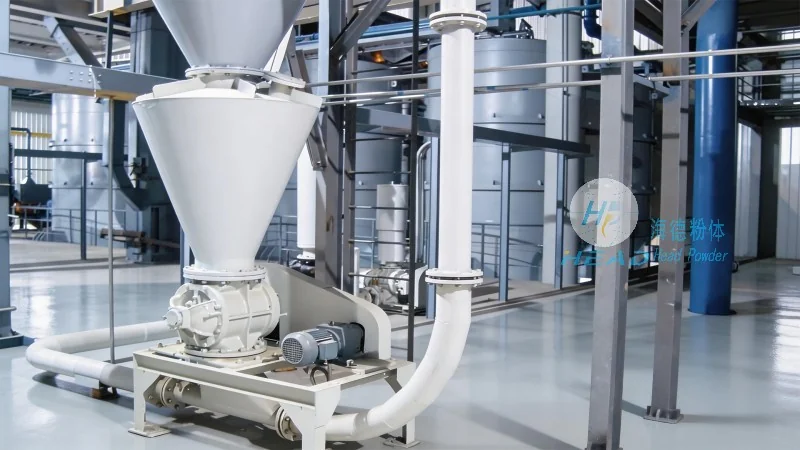
For caustic soda, pressure systems are more commonly used due to the material's corrosive nature and the need for a closed system to prevent exposure to the environment. The process begins with the feeder releasing caustic soda into the conveying line, where it is entrained by the high-velocity air stream generated by the air compressor. The air and material mixture travels through the line, with the caustic soda particles suspended in the air. The receiver then captures the material as the air velocity decreases, allowing the particles to settle and be collected.
Benefits and Applications of Caustic Soda Pneumatic Conveying Equipment
Caustic soda pneumatic conveying equipment offers several advantages over traditional bulk material handling methods. One of the primary benefits is the ability to handle caustic soda in a closed system, which minimizes exposure to the environment and reduces the risk of contamination or spills. This is particularly important for caustic soda, which is highly corrosive and can cause severe damage to equipment and personnel if not handled properly.
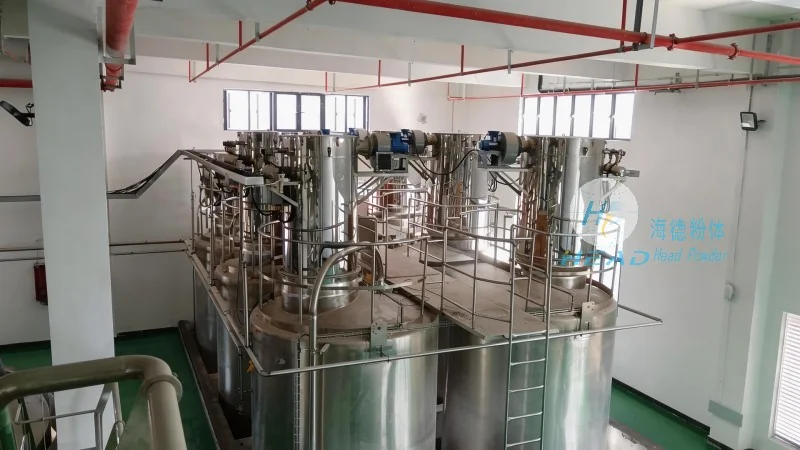
Another advantage is the flexibility of the system, which can be easily adjusted to accommodate different material flow rates and conveying distances. The system can also be integrated with other industrial processes, such as mixing or packaging, to create a seamless workflow. Caustic soda pneumatic conveying equipment is widely used in industries such as chemical manufacturing, paper production, and water treatment, where caustic soda is a key raw material.
Conclusion
Caustic soda pneumatic conveying equipment is a critical component in the handling and transportation of caustic soda in industrial settings. Its structural design and operational principles ensure efficient, safe, and reliable transport of this corrosive material. By understanding the key components and operating mechanisms of these systems, users can make informed decisions about their material handling needs and select the appropriate equipment for their specific applications. As a leading manufacturer of caustic soda pneumatic conveying equipment, Shandong HeadPowder Engineering Co., Ltd. specializes in providing high-quality, reliable systems tailored to meet the diverse needs of industrial clients.