

[Efficient and Clean Solution for Manganese Silicate Transport: An In-Depth Look at Pneumatic Convey
When it comes to transporting manganese silicate, choosing the right technology is crucial for both operational efficiency and environmental responsibility. In the industrial sector, especially in the processing of minerals like manganese silicate, traditional methods such as belt conveyors or bucket elevators often face challenges related to dust generation, material degradation, and energy consumption. This is where pneumatic conveying technology emerges as a superior alternative, offering a clean, efficient, and versatile solution for handling this specific material.
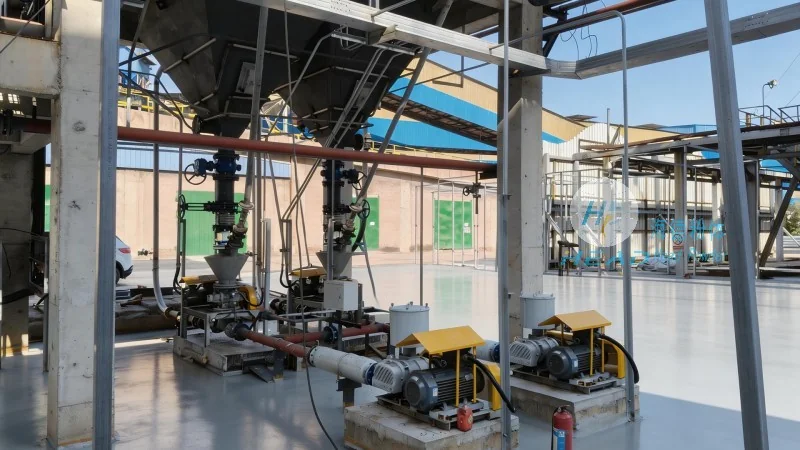
Pneumatic Conveying: A Superior Method for Manganese Silicate Transport
Pneumatic conveying systems utilize air or other gases to transport bulk materials through a pipeline network. Unlike mechanical systems that rely on physical contact and friction, pneumatic conveyors operate by creating a flow of air that moves the material along the pipeline. This method is particularly advantageous for materials that are prone to dusting or that require minimal handling to preserve their quality. For manganese silicate, which is often used in applications like battery production, steelmaking, and chemical synthesis, maintaining the integrity of the material is paramount. Pneumatic conveying minimizes particle breakage and reduces the risk of contamination, making it an ideal choice for high-value applications.
Key Advantages of Pneumatic Conveying for Manganese Silicate
One of the most significant benefits of pneumatic conveying is its ability to provide a dust-free environment. Unlike traditional bulk handling methods that generate large amounts of airborne dust, pneumatic systems enclose the material within a sealed pipeline, preventing dust from escaping into the workplace and the surrounding environment. This not only enhances workplace safety but also reduces the need for extensive dust control measures, such as filtration systems and ventilation. For companies operating in regions with strict environmental regulations, this advantage is particularly valuable as it helps in maintaining compliance and avoiding penalties.
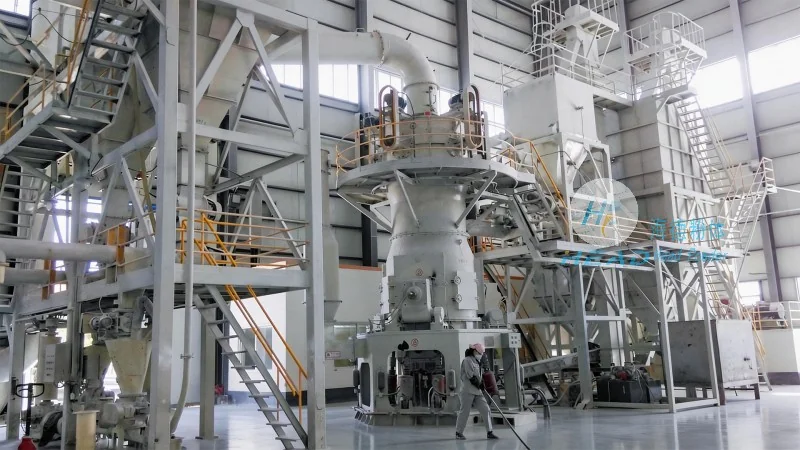
Another key advantage is the energy efficiency of pneumatic conveying systems. While the initial investment may be higher compared to some mechanical systems, the operational costs are often lower due to reduced energy consumption. The system’s ability to transport materials over longer distances with minimal energy input makes it a cost-effective solution for large-scale operations. Additionally, pneumatic conveyors can handle a wide range of material properties, including varying particle sizes and moisture content, without the need for extensive modifications to the system. This flexibility is crucial for processing facilities that deal with diverse raw materials.
How Pneumatic Conveying Enhances Manganese Silicate Processing
The integration of pneumatic conveying technology into manganese silicate processing plants can lead to substantial improvements in overall operational performance. By eliminating the need for manual handling and reducing the time spent on material transfer, the system allows for a more streamlined production process. This leads to increased throughput and reduced downtime, which are critical factors for maintaining competitiveness in the market. Furthermore, the clean and enclosed nature of pneumatic systems helps in maintaining the quality of the final product. Dust contamination can significantly affect the performance of downstream processes, such as chemical reactions or battery manufacturing. By preventing such contamination, pneumatic conveying ensures that the manganese silicate reaches its destination in optimal condition.
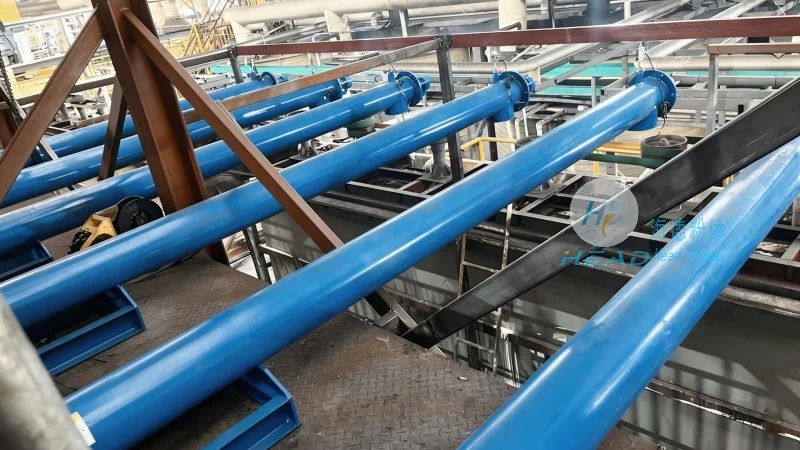
Case Study: Implementing Pneumatic Conveying at Shandong HeadPowder Engineering Co., Ltd.
Shandong HeadPowder Engineering Co., Ltd., a leading provider of bulk material handling solutions, has successfully implemented pneumatic conveying systems for several clients in the manganese silicate industry. One notable case involved a battery manufacturer that was struggling with dust-related issues and low productivity in their material handling processes. By installing a customized pneumatic conveying system, the company was able to achieve a 30% reduction in dust emissions and a 25% increase in production efficiency. The system was designed to handle the specific characteristics of the manganese silicate, including its fine particle size and high moisture content, ensuring optimal performance and minimal maintenance.
Choosing the Right Pneumatic Conveying System for Manganese Silicate
When selecting a pneumatic conveying system for manganese silicate transport, several factors need to be considered to ensure optimal performance and cost-effectiveness. The first consideration is the material's properties, such as particle size, density, and moisture content. These factors determine the type of conveying system (e.g., pressure or vacuum) and the necessary air velocity to maintain material flow. Additionally, the distance and layout of the transport route play a crucial role in determining the system's design. For longer distances, pressure systems are often more suitable, while vacuum systems are better for shorter distances or when the material needs to be collected from multiple points.
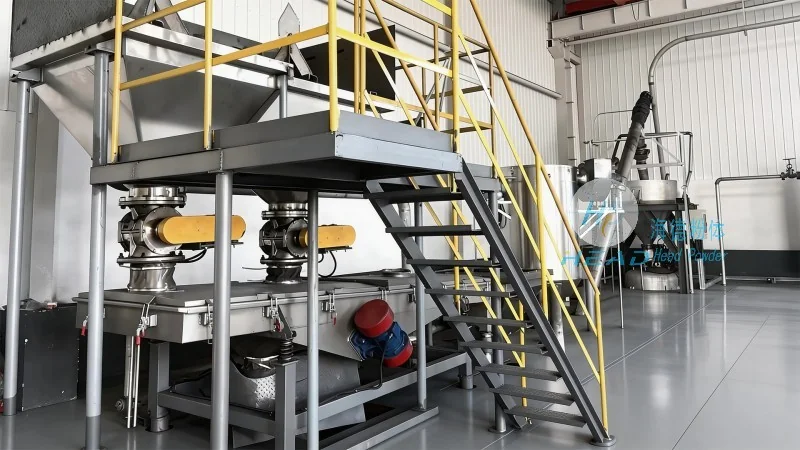
Another important factor is the system's capacity and scalability. As production needs grow, the conveying system should be able to accommodate increased material volumes without significant modifications. This requires careful planning and consultation with experienced engineers who can design a system that meets current and future requirements. Shandong HeadPowder Engineering Co., Ltd. offers comprehensive engineering services, including system design, installation, and maintenance, to help clients select and implement the most suitable pneumatic conveying solution for their specific needs.
Conclusion: The Future of Manganese Silicate Transport with Pneumatic Conveying
In conclusion, pneumatic conveying technology represents a clean and efficient solution for transporting manganese silicate. By minimizing dust emissions, reducing energy consumption, and enhancing material quality, this method offers significant advantages over traditional bulk handling systems. For companies in the manganese silicate industry, investing in a well-designed pneumatic conveying system can lead to improved operational efficiency, enhanced workplace safety, and compliance with environmental regulations. As the demand for high-quality manganese silicate continues to grow, the adoption of advanced material handling technologies like pneumatic conveying will become increasingly important for maintaining competitiveness and sustainability in the industry.