

Efficient and Clean Solution for Zinc Roast Sand Transport: An In-depth Look at Pneumatic Conveying
Zinc roasting is a pivotal step in the zinc production process, where zinc concentrate is transformed into zinc roast sand—a material rich in zinc oxide and other byproducts. This material must be efficiently transported from the roasting furnace to subsequent processing stages. Traditional transport methods, such as belt conveyors or bucket elevators, often encounter challenges including material degradation, dust generation, and operational inefficiencies. These issues not only affect production throughput but also raise environmental and safety concerns. As industries prioritize higher efficiency and cleaner operations, innovative solutions are essential to address these challenges effectively.
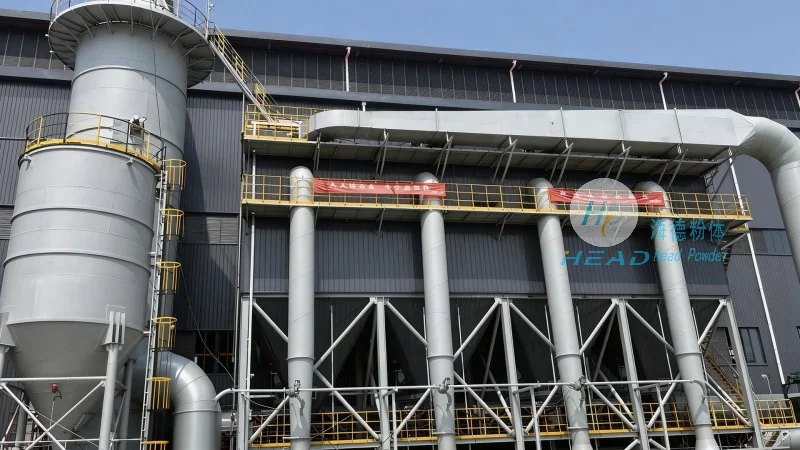
Pneumatic Conveying Technology: A Clean and Efficient Alternative
Pneumatic conveying, or air-based transport, presents a promising solution for zinc roast sand handling. Unlike mechanical systems, pneumatic conveyors utilize air pressure to move material through a pipeline, eliminating physical contact and reducing the risk of contamination. This technology is particularly suited for fine, dusty materials like zinc roast sand, as it can transport the material in a closed system, minimizing dust emissions and enhancing workplace safety. The system typically comprises a hopper, a blower, and a pipeline network, with optional components like cyclones or filters to separate material from air. By leveraging air pressure, pneumatic conveying can achieve high transport speeds and long distances, making it ideal for large-scale zinc production facilities.
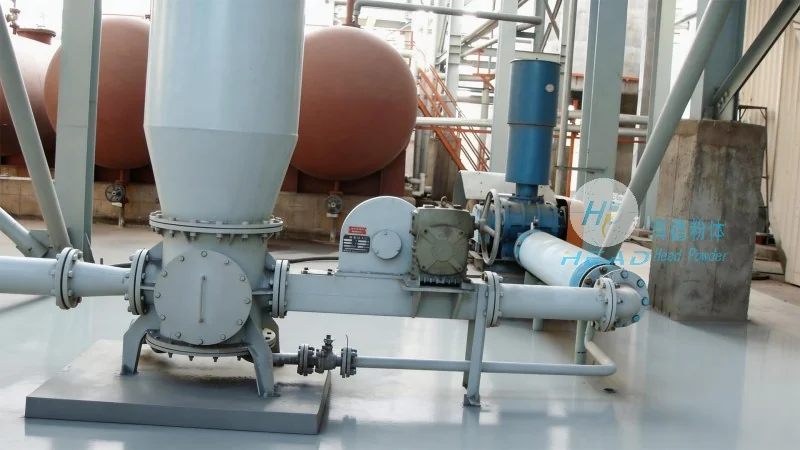
Key Advantages of Pneumatic Conveying for Zinc Roast Sand
When compared to traditional transport methods, pneumatic conveying offers several key advantages for zinc roasting operations. First, it significantly reduces dust generation, addressing a major environmental concern in zinc processing. The closed system design ensures that dust is contained and can be filtered or captured, meeting stringent environmental regulations. Second, pneumatic conveyors provide higher efficiency in terms of material handling capacity and energy consumption. The absence of moving parts in the pipeline reduces maintenance requirements and downtime, leading to lower operational costs over time. Third, the technology allows for flexible system design, enabling the integration of multiple transport lines and the ability to adjust flow rates based on production needs. This adaptability is crucial for modern zinc plants that require scalable and responsive processing capabilities.
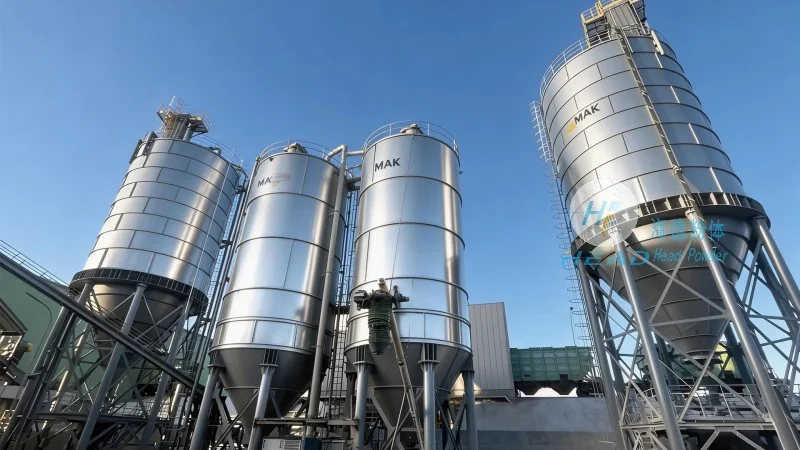
HeadPowder Engineering: Expert in Pneumatic Conveying Solutions
Shandong HeadPowder Engineering Co., Ltd., a leading provider of industrial engineering solutions, specializes in designing and implementing advanced pneumatic conveying systems for zinc roasting facilities. With years of experience in the mining and metallurgical industry, HeadPowder has developed a comprehensive range of solutions tailored to the unique challenges of zinc production. The company's team of engineers and technicians collaborates closely with clients to understand their specific process requirements, ensuring that the pneumatic conveying system is optimized for maximum efficiency and minimal environmental impact. HeadPowder's solutions include custom-designed hoppers, high-efficiency blowers, and durable pipeline materials that can withstand the corrosive nature of zinc roast sand. The company also provides comprehensive after-sales support, including maintenance services and technical assistance, to ensure the long-term reliability of the system.
Case Study: Improving Transport Efficiency at a Zinc Plant
One of HeadPowder's recent projects involved upgrading the transport system at a large zinc roasting plant in China. The plant was previously using a combination of belt conveyors and bucket elevators, which were experiencing frequent breakdowns and high dust emissions. HeadPowder installed a new pneumatic conveying system that replaced the existing mechanical transport lines. The results were immediate and significant: the plant achieved a 30% increase in transport capacity, reduced dust emissions by 80%, and lowered maintenance costs by 40%. The system's flexibility allowed the plant to adjust the flow rate based on production schedules, improving overall operational efficiency. This case study highlights the effectiveness of pneumatic conveying technology in addressing the challenges of zinc roasting transport and the expertise of HeadPowder in delivering tailored solutions.
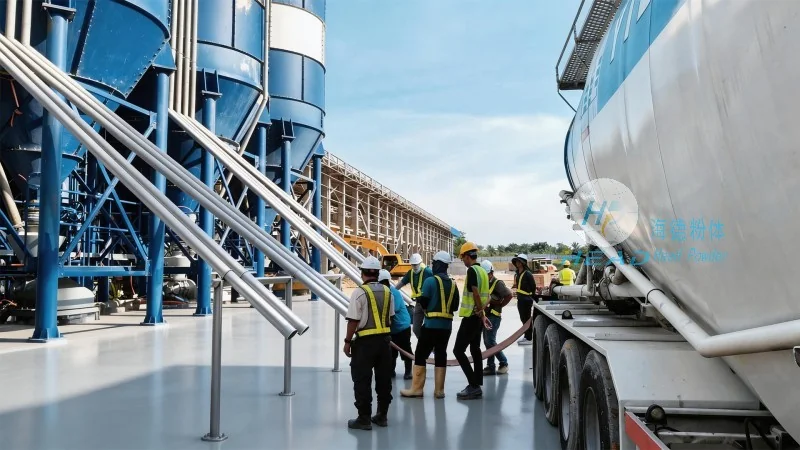
Conclusion: The Future of Zinc Roast Sand Transport
As the zinc industry continues to evolve, the demand for efficient and clean transport solutions will only increase. Pneumatic conveying technology, with its advantages in environmental performance, operational efficiency, and flexibility, is well-positioned to meet these needs. Companies like Shandong HeadPowder Engineering Co., Ltd. are at the forefront of developing and implementing these advanced systems, helping zinc producers achieve higher productivity while minimizing their environmental footprint. By investing in pneumatic conveying solutions, zinc plants can not only improve their operational performance but also contribute to a more sustainable future for the industry.