

Efficient and Clean Solution for High-Alumina Fly Ash Transport: An In-Depth Look at Pneumatic Conve
When it comes to transporting high-alumina fly ash, efficiency and cleanliness are paramount. Traditional methods often fall short in meeting these dual requirements, leading to operational inefficiencies and environmental concerns. This is where pneumatic conveying technology emerges as a superior alternative, offering a clean, efficient, and reliable solution for handling high-alumina fly ash. In this article, we delve into the specifics of pneumatic conveying technology, exploring how it addresses the unique challenges associated with high-alumina fly ash transport and why it stands out as the preferred choice for modern industrial applications.
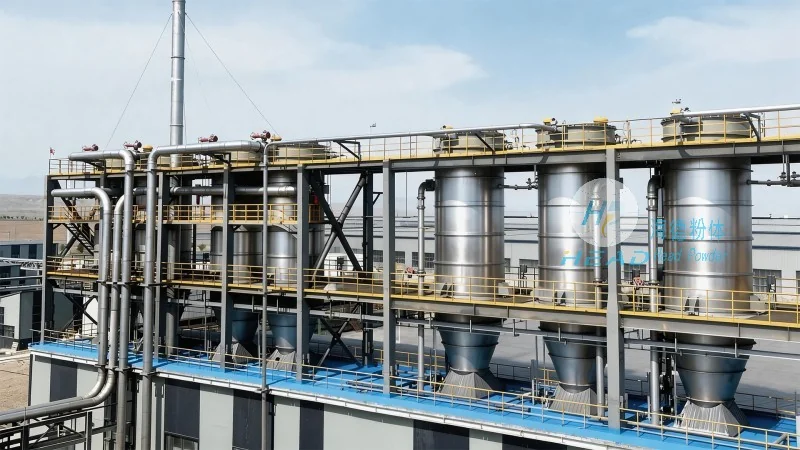
Pneumatic Conveying Technology: The Core of Efficient High-Alumina Fly Ash Transport
Pneumatic conveying, also known as air conveying, is a method of transporting bulk materials through a pipeline using a stream of air. This technology is particularly well-suited for high-alumina fly ash due to its ability to handle fine, abrasive, and potentially dusty materials without the need for mechanical components that can cause wear and tear or contamination. The process involves creating a pressure differential within the pipeline, which propels the fly ash particles along with the air stream. This method not only enhances the speed and accuracy of material transport but also minimizes the risk of material spillage and environmental contamination, making it an ideal choice for industries where cleanliness and operational efficiency are critical.
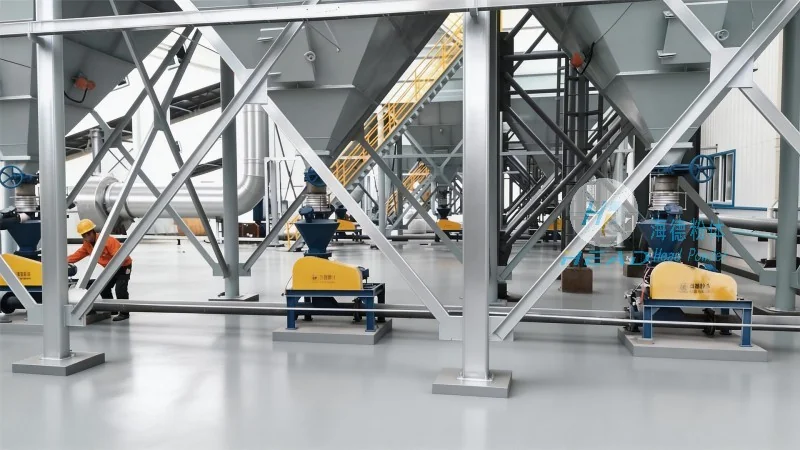
Key Advantages of Pneumatic Conveying for High-Alumina Fly Ash
One of the most significant advantages of pneumatic conveying in high-alumina fly ash transport is its ability to maintain a clean and dust-free environment. Unlike mechanical systems that rely on belts, buckets, or screw conveyors, which can generate dust and require frequent cleaning, pneumatic systems keep the material contained within the pipeline, reducing the risk of airborne particles and ensuring a safer working environment. Additionally, pneumatic conveying offers greater flexibility in terms of layout and routing, allowing for complex transport paths without the need for multiple transfer points or additional equipment. This flexibility is crucial for industrial settings where space is limited or where the transport route needs to be adjusted frequently. Another key benefit is the reduced maintenance requirements. Since there are no moving parts in direct contact with the material, the system experiences less wear and tear, leading to lower maintenance costs and longer service life. Furthermore, pneumatic conveying can handle a wide range of particle sizes and moisture contents, making it versatile for various high-alumina fly ash applications.
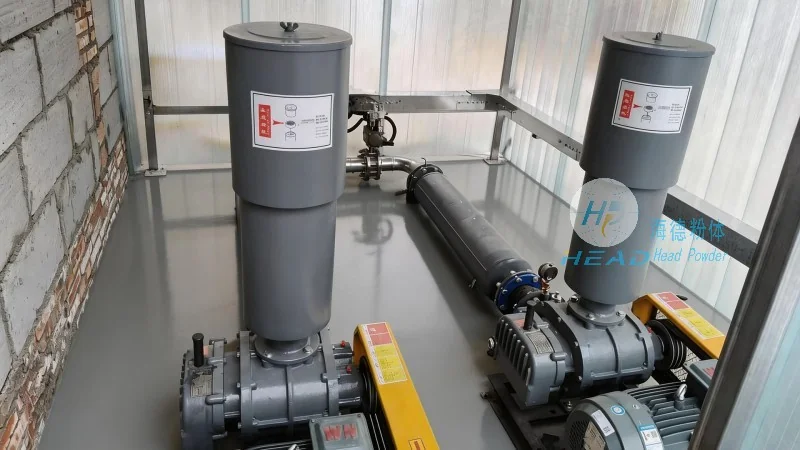
How Pneumatic Conveying Enhances Transport Efficiency
The efficiency of pneumatic conveying in high-alumina fly ash transport is evident in its ability to significantly reduce transport time and labor costs. By eliminating the need for manual handling or secondary transport equipment, the system streamlines the entire process, allowing for faster material movement from the source to the destination. This is particularly beneficial in large-scale industrial operations where high volumes of high-alumina fly ash need to be transported regularly. The technology also ensures consistent material flow, minimizing the risk of blockages or interruptions that can occur with other transport methods. This reliability is essential for maintaining production schedules and meeting quality standards. Moreover, pneumatic conveying can be integrated with other industrial processes, such as drying or mixing, to create a more comprehensive material handling system. This integration further enhances overall operational efficiency by reducing the number of steps and equipment required for material processing.
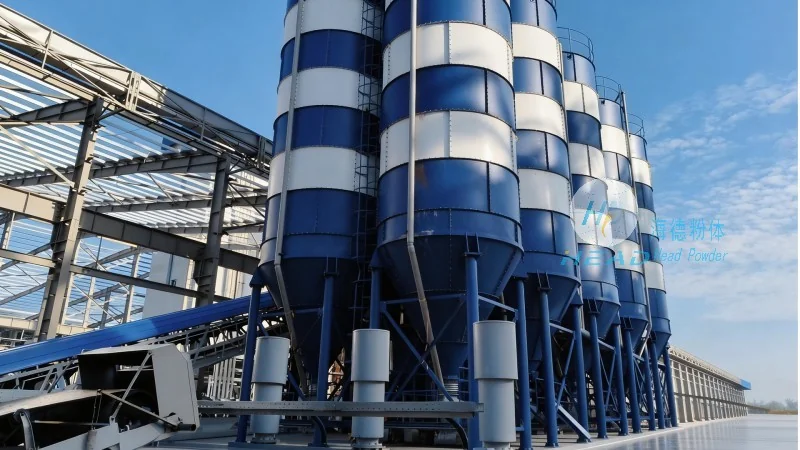
Case Study: Implementing Pneumatic Conveying for High-Alumina Fly Ash in a Power Plant
Consider a power plant that generates high-alumina fly ash as a byproduct of coal combustion. The plant needs to transport this fly ash from the boiler to a storage facility or for further processing. Traditional methods, such as truck transport or mechanical conveyors, were causing significant dust issues and operational delays. By implementing a pneumatic conveying system, the plant was able to address these challenges effectively. The system was designed to handle the high-alumina fly ash's fine particle size and abrasive nature, ensuring smooth and continuous transport. The results were immediate: reduced dust emissions, lower maintenance costs, and improved operational efficiency. The plant reported a 30% reduction in transport time and a 20% decrease in labor costs associated with material handling. This case study highlights the practical benefits of pneumatic conveying in real-world industrial applications, demonstrating its effectiveness in improving both efficiency and cleanliness.