

[Efficient and Clean Solution for Sanding Powder Transport: Detailed Explanation of Pneumatic Convey
For manufacturers and processors in the sanding powder industry, optimizing material transport efficiency while maintaining a clean working environment is a critical challenge. Traditional methods like manual handling or mechanical conveyors often lead to dust accumulation, operational inefficiencies, and increased maintenance costs. This is where pneumatic conveying technology emerges as a superior solution, offering a clean, efficient, and reliable method to transport sanding powders. This article delves into the principles, benefits, and practical applications of pneumatic conveying systems tailored for sanding powder transport, highlighting how they address the unique demands of this industry.
Understanding Pneumatic Conveying: The Core Technology
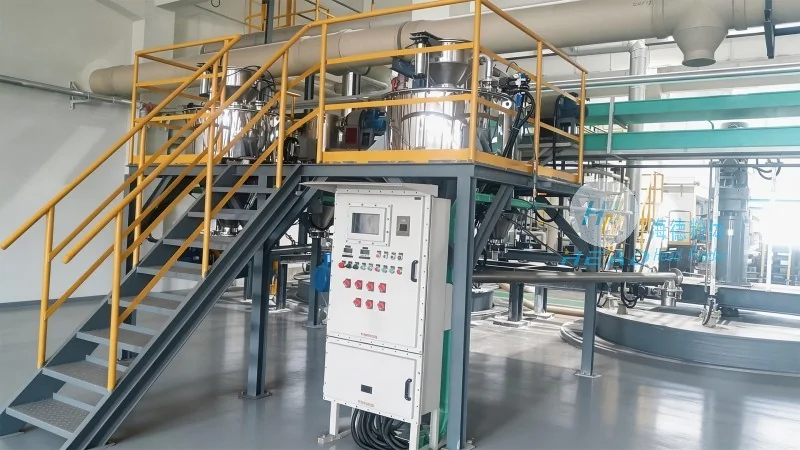
Pneumatic conveying, also known as air conveying, is a process that uses compressed air to move bulk materials like sanding powders through a pipeline. The system typically consists of a blower, a hopper for material storage, a conveying line, and a receiver for the material at the destination. There are two main types of pneumatic conveying systems: pressure and vacuum. Pressure systems use a positive pressure blower to push material through the line, while vacuum systems use a negative pressure blower to pull material. Each type has its advantages and is chosen based on the specific application requirements, such as material characteristics, distance, and volume.
Key Benefits of Pneumatic Conveying for Sanding Powder Transport
Implementing pneumatic conveying for sanding powder transport brings numerous advantages that directly impact operational performance and cost-effectiveness. Firstly, it provides a dust-free environment, which is crucial for maintaining a clean workspace and reducing health hazards associated with fine powders. Unlike mechanical conveyors that can generate significant dust, pneumatic systems contain the material within a sealed pipeline, minimizing airborne particles and improving air quality. Secondly, pneumatic conveying offers high efficiency in material transport, with the ability to move large volumes of sanding powder over long distances with minimal energy consumption. The system’s design allows for consistent flow rates, ensuring reliable and continuous operation. Thirdly, it reduces maintenance costs and downtime compared to traditional methods. With fewer moving parts and a sealed system, the risk of mechanical failure is lower, and cleaning is simplified as the pipeline can be easily flushed or cleaned without disassembly. Additionally, pneumatic conveying enhances safety by eliminating the need for manual handling of heavy or hazardous materials, reducing the risk of accidents and injuries in the workplace.
How Pneumatic Conveying Improves Efficiency in Sanding Powder Processing
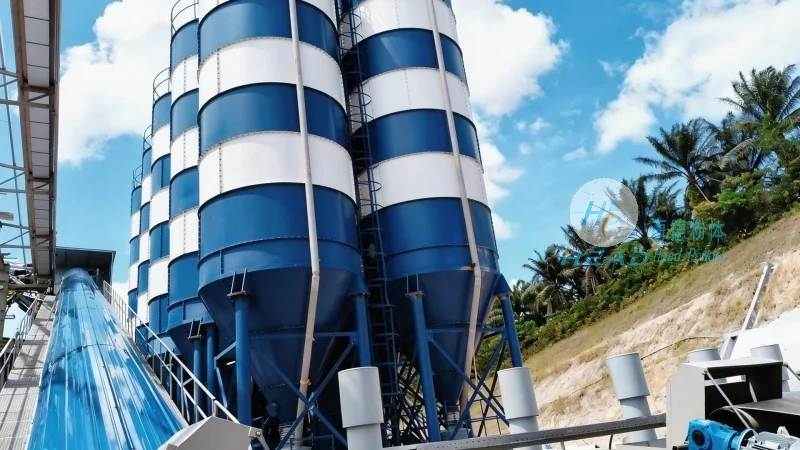
The efficiency of sanding powder processing is significantly enhanced through the use of pneumatic conveying systems. By automating the material transport process, manufacturers can streamline their production lines, reducing the time and labor required for material handling. This leads to increased throughput and productivity, as the system can operate continuously without the need for frequent stops or manual intervention. The consistent flow of sanding powder also ensures that downstream processes, such as mixing or packaging, receive a steady supply of material, preventing bottlenecks and improving overall process reliability. Furthermore, pneumatic conveying allows for precise control over material delivery, enabling manufacturers to adjust the flow rate and pressure to match the specific requirements of their processes. This flexibility is particularly valuable in applications where varying quantities of sanding powder are needed, such as in custom or batch production.
Applications of Pneumatic Conveying in the Sanding Powder Industry
Pneumatic conveying systems are widely used in various applications within the sanding powder industry. One common application is in the manufacturing of abrasive products, where sanding powders are transported from storage silos to production lines for mixing with other ingredients. The system ensures that the powders are delivered in a controlled manner, maintaining the quality and consistency of the final abrasive products. Another application is in the packaging process, where sanding powders are conveyed from bulk storage to packaging machines for filling into containers. Pneumatic conveying allows for efficient and hygienic transfer of the powders, ensuring that the packaging process is clean and free from contamination. Additionally, pneumatic systems are used in quality control and testing processes, where sanding powders are transported to testing equipment for analysis and quality assessment. The ability to move powders quickly and reliably supports efficient testing and ensures that only high-quality products are released to the market.
Choosing the Right Pneumatic Conveying System for Your Needs
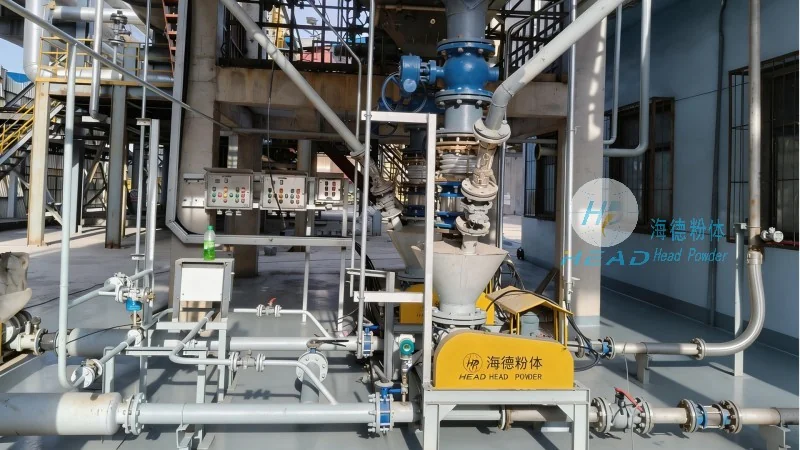
Selecting the appropriate pneumatic conveying system for sanding powder transport requires careful consideration of several factors. The first step is to evaluate the material characteristics, such as particle size, density, and moisture content. These factors determine the type of system (pressure or vacuum) and the necessary equipment specifications. For example, materials with high moisture content may require a system with a dryer or a more robust blower to prevent clogging. The second factor is the distance and layout of the transport route. The system design must account for the length of the pipeline, the number of turns, and the elevation changes to ensure efficient material movement. The third factor is the required flow rate and capacity. Manufacturers should assess their production volume and determine the appropriate system size to meet their needs. Additionally, the system should be designed for easy maintenance and cleaning, as sanding powders can be abrasive and may cause wear on components. Consulting with a reputable supplier, such as Shandong HeadPowder Engineering Co., Ltd., can provide expert guidance in selecting the right pneumatic conveying system tailored to the specific requirements of the sanding powder industry.
Conclusion: The Future of Clean and Efficient Sanding Powder Transport
Pneumatic conveying technology represents a significant advancement in the efficient and clean transport of sanding powders. By leveraging compressed air to move materials through a sealed pipeline, this technology offers numerous benefits, including dust-free operation, high efficiency, reduced maintenance, and enhanced safety. For manufacturers in the sanding powder industry, adopting pneumatic conveying systems is a strategic investment that improves operational performance, reduces costs, and ensures compliance with environmental and safety regulations. As the demand for high-quality sanding powders continues to grow, the importance of efficient and reliable material transport will only increase. Pneumatic conveying provides a proven solution that meets these demands, supporting the long-term success and sustainability of businesses in the industry. With the expertise and solutions offered by companies like Shandong HeadPowder Engineering Co., Ltd., manufacturers can implement effective pneumatic conveying systems that optimize their operations and deliver superior results.