

[Efficient and Clean: Air-Driven Pneumatic Conveying for Perlite Transport]
When it comes to transporting perlite efficiently and with minimal environmental impact, pneumatic conveying technology emerges as a superior solution. This article delves into the benefits and operational principles of air-driven systems, highlighting how they can revolutionize perlite handling processes for industries relying on this lightweight, insulating material.
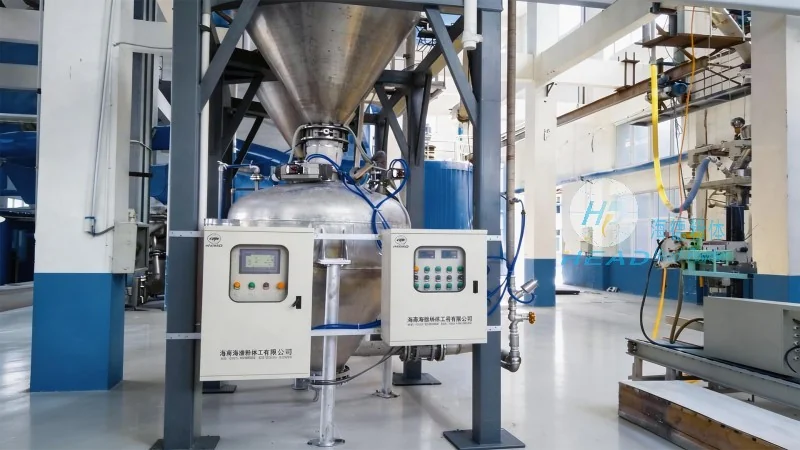
Understanding Pneumatic Conveying Systems
Pneumatic conveying systems utilize air or gas to transport bulk materials like perlite through a network of pipes. Unlike traditional methods such as bucket elevators or belt conveyors, these systems offer a closed-loop operation that significantly reduces dust emissions and contamination risks. The core components typically include a material feed hopper, a conveying line, and a discharge unit, all working in tandem to ensure smooth material flow.
Key Advantages of Pneumatic Conveying for Perlite
For perlite, a material known for its low density and high dust potential, pneumatic conveying provides several critical advantages. First, it maintains the purity of the product by preventing cross-contamination from external sources. The enclosed system also minimizes the risk of dust inhalation, enhancing workplace safety. Additionally, the technology allows for precise control over material flow rates, ensuring consistent performance in downstream processes such as packaging or mixing.
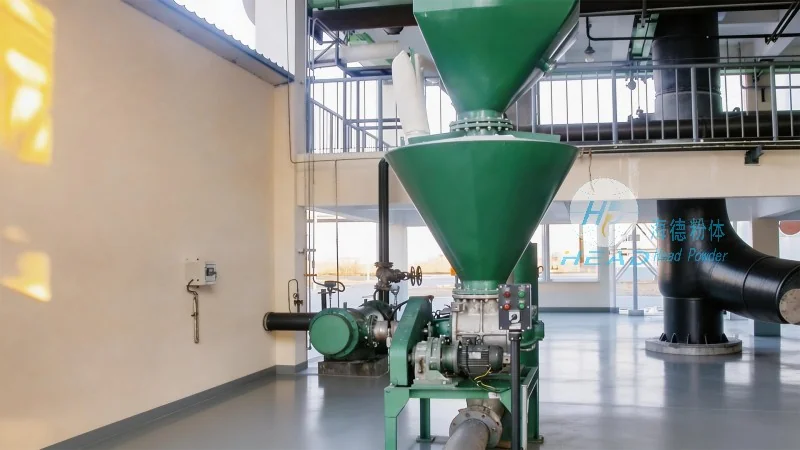
How Air-Driven Systems Work
The operation of a pneumatic conveying system involves the creation of a pressure differential within the conveying line. By injecting air into the system, either through positive pressure (where air pushes the material) or negative pressure (where air pulls the material), perlite particles are suspended and transported to the desired location. The choice between positive and negative pressure depends on factors like material characteristics, distance, and system layout, with positive pressure often preferred for longer distances or when dealing with abrasive materials.
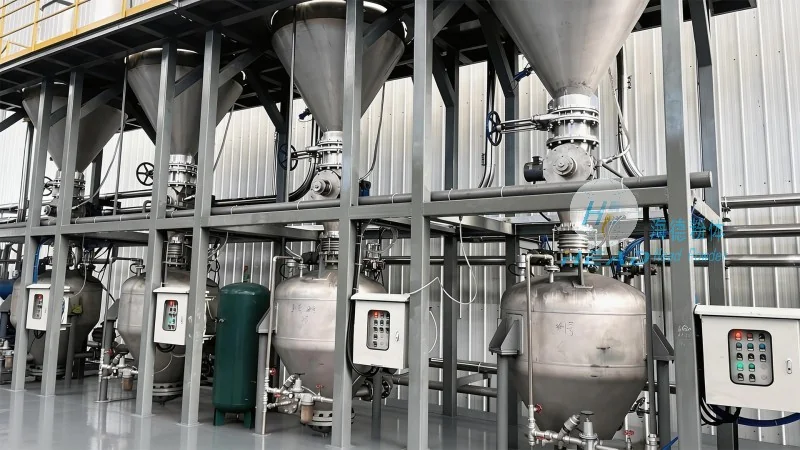
Applications in Industrial Settings
In industrial applications, pneumatic conveying is widely used in the construction, agriculture, and chemical sectors where perlite is utilized as a lightweight aggregate, insulating material, or filler. For example, in the production of lightweight concrete, perlite is efficiently conveyed from storage silos to mixing plants, ensuring a consistent blend without the need for manual handling. Similarly, in agricultural applications, perlite is used as a soil amendment, and pneumatic systems facilitate its distribution across large farms or greenhouses.
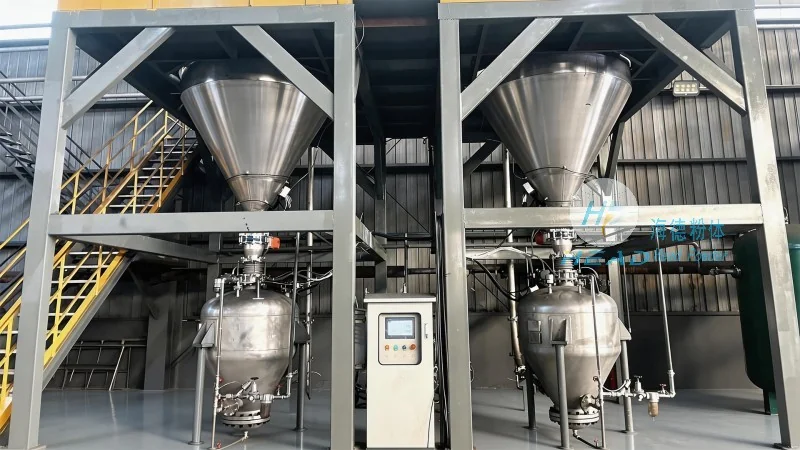
Choosing the Right System for Your Needs
When selecting a pneumatic conveying system for perlite transport, several factors must be considered. The system's capacity, the distance to be covered, and the desired flow rate are all critical. Additionally, the type of material (e.g., dry vs. wet perlite) and its particle size distribution influence the choice between different conveying methods, such as dilute phase (high velocity, low material concentration) or dense phase (low velocity, high material concentration) systems. Consulting with experts from companies like Shandong HeadPowder Engineering Co., Ltd., which specializes in engineering solutions for bulk material handling, can help in designing a system tailored to specific operational requirements.
Conclusion: A Clean and Efficient Future for Perlite Transport
As industries increasingly prioritize sustainability and operational efficiency, pneumatic conveying technology stands out as a clean and effective solution for perlite transport. By reducing dust emissions, improving material purity, and enabling precise control over material flow, these systems offer significant benefits over traditional methods. With companies like Shandong HeadPowder Engineering Co., Ltd., based in China, providing specialized engineering and equipment, businesses can leverage advanced pneumatic conveying solutions to enhance their perlite handling processes and meet modern industry standards.