

[Efficient and Clean Sawdust Transport: An In-Depth Look at Pneumatic Conveying Technology]
For industries dealing with sawdust, selecting the right transport method is crucial for maintaining operational efficiency and ensuring a clean working environment. Traditional methods like manual handling or mechanical conveyors often fall short in terms of speed, hygiene, and overall system reliability. This is where pneumatic conveying technology emerges as a superior solution, offering a seamless blend of efficiency and cleanliness that transforms sawdust transport processes.
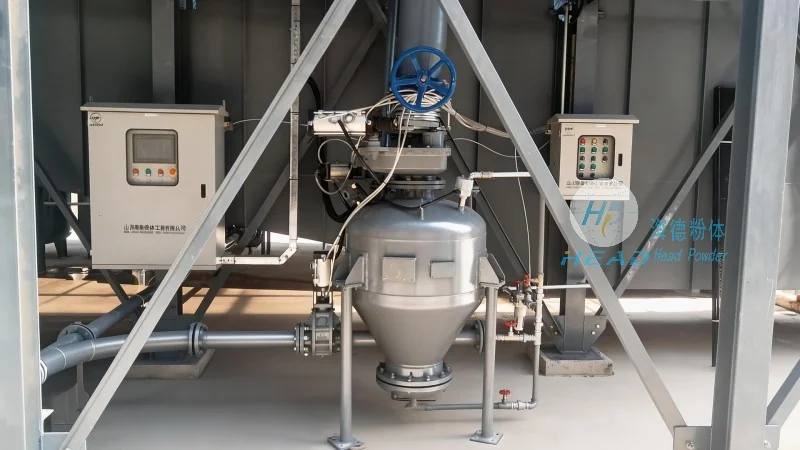
Pneumatic Conveying: The Core Technology for Sawdust Transport
Pneumatic conveying systems utilize air to transport solid materials like sawdust through a pipeline network. Unlike mechanical systems that rely on moving parts and physical contact, pneumatic systems operate by creating a pressure differential that propels the material forward. This method not only reduces the risk of contamination but also minimizes the need for frequent maintenance and cleaning, making it ideal for applications where hygiene is paramount.
Key Advantages of Pneumatic Conveying for Sawdust Handling
Implementing pneumatic conveying for sawdust transport brings several key benefits that directly impact operational performance. First, it significantly enhances transport speed and throughput. By eliminating the need for manual labor or mechanical components that can slow down the process, pneumatic systems can move large volumes of sawdust quickly and consistently. This is particularly advantageous in high-demand environments where timely processing is critical.
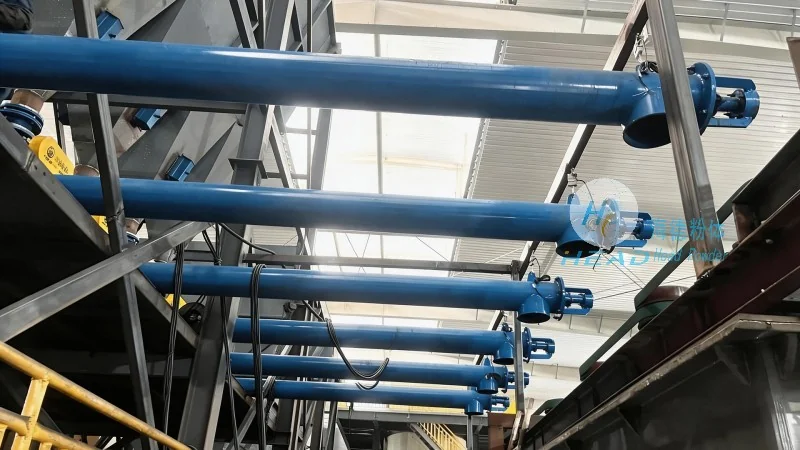
Second, the technology promotes a cleaner working environment. Unlike mechanical conveyors that may generate dust and debris during operation, pneumatic systems keep the material enclosed within the pipeline, preventing dust from escaping into the workspace. This not only improves air quality but also reduces the risk of respiratory issues among workers, aligning with modern health and safety standards.
How Pneumatic Conveying Works in Sawdust Applications
The operation of a pneumatic conveying system for sawdust involves several key components that work in tandem to ensure efficient transport. At the source, sawdust is fed into a hopper or feeder, which then transfers the material into the conveying line. The system uses a blower or compressor to generate the necessary air pressure, which propels the sawdust through the pipeline. The material is then discharged at the destination, such as a storage silo or processing unit. This closed-loop system minimizes material loss and ensures that the entire transport process is contained and controlled.
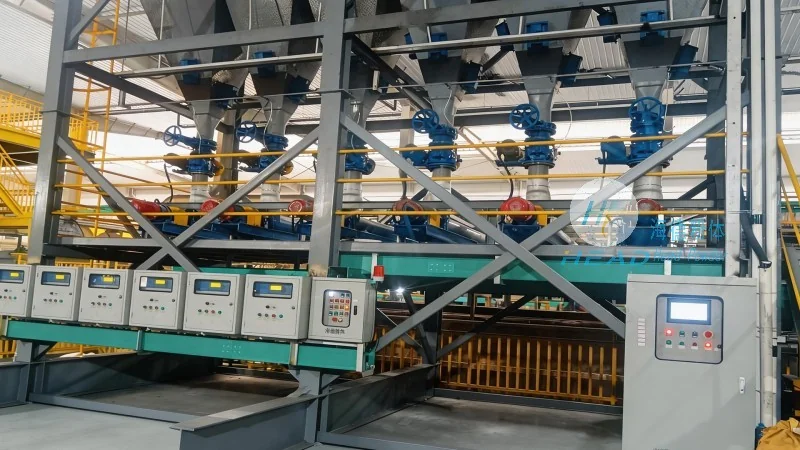
Customization and Scalability: Tailoring Pneumatic Systems to Sawdust Needs
One of the significant advantages of pneumatic conveying is its adaptability to various sawdust handling requirements. Systems can be customized in terms of capacity, pressure, and pipeline configuration to suit the specific needs of a facility. Whether dealing with fine or coarse sawdust, high or low volumes, or long or short transport distances, pneumatic systems can be scaled to meet these demands. This flexibility makes them suitable for a wide range of applications, from small workshops to large-scale industrial operations.
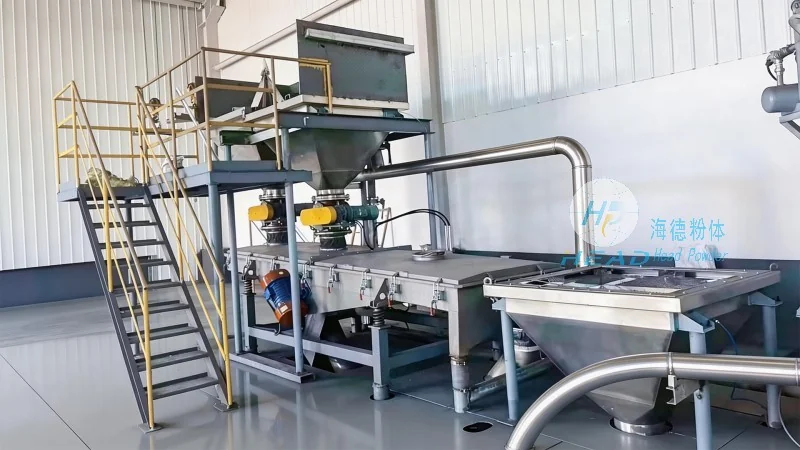
Case Study: Enhancing Efficiency at Shandong HeadPowder Engineering Co., Ltd.
Shandong HeadPowder Engineering Co., Ltd., a leading provider of engineering solutions, has successfully implemented pneumatic conveying systems for sawdust transport in several of its clients' facilities. By integrating these systems, clients have reported notable improvements in operational efficiency, reduced labor costs, and enhanced workplace safety. For instance, a woodworking plant that previously relied on manual handling and mechanical conveyors was able to increase its production throughput by 30% after adopting a pneumatic conveying system. The system also reduced dust-related health issues among employees, leading to lower absenteeism and improved overall productivity.
Conclusion: The Future of Sawdust Transport with Pneumatic Conveying
As industries continue to prioritize efficiency and cleanliness in their operations, pneumatic conveying technology stands out as a reliable and effective solution for sawdust transport. By leveraging the power of air to move material through a closed system, these technologies offer a sustainable and efficient approach to handling sawdust. With the expertise of companies like Shandong HeadPowder Engineering Co., Ltd., businesses can implement tailored pneumatic systems that meet their specific needs, ensuring long-term operational success and compliance with industry standards.