

[CLEAN SOLUTION FOR ENHANCING H2S TRANSPORT EFFICIENCY: A DETAILED EXPLANATION OF PNEUMATIC CONVEYIN
For industries dealing with hydrogen sulfide (H2S), selecting an efficient and environmentally friendly transport method is crucial. Pneumatic conveying technology offers a superior solution that not only enhances operational efficiency but also minimizes environmental impact. This article delves into the principles, benefits, and practical applications of pneumatic conveying systems specifically designed for H2S transport, highlighting how such systems can transform the way H2S is handled in industrial settings.
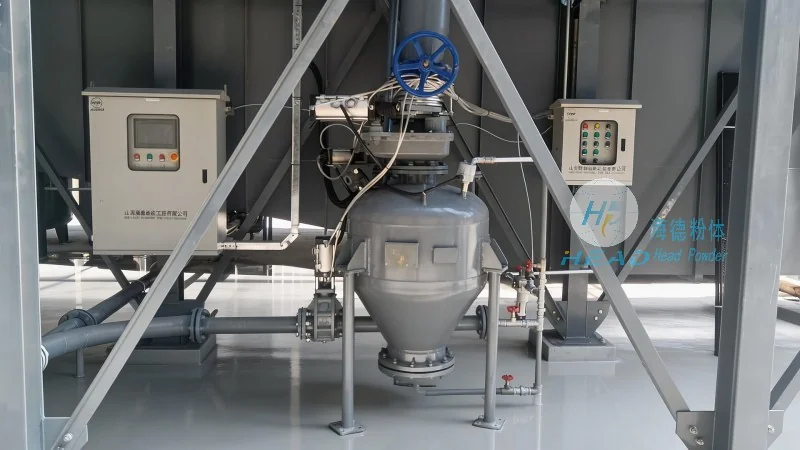
Understanding Pneumatic Conveying Technology
Pneumatic conveying systems utilize air or other gases to transport bulk materials, including hazardous substances like H2S, through a pipeline network. The technology operates by creating a pressure differential that propels the material forward. There are two primary types of pneumatic conveying: pressure and vacuum systems. Pressure systems use compressed air to push material from the source to the destination, while vacuum systems draw material using a vacuum pump. For H2S transport, pressure systems are often preferred due to their ability to handle higher material loads and maintain consistent flow rates.
The Advantages of Pneumatic Conveying for H2S
Implementing pneumatic conveying for H2S transport brings numerous advantages. Firstly, it significantly improves operational efficiency by reducing downtime and labor costs associated with manual handling. The automated process ensures consistent material flow, minimizing variations in delivery times. Secondly, pneumatic conveying systems are inherently cleaner and safer compared to traditional methods like truck or rail transport. They eliminate the risk of spills, leaks, or emissions during transit, which is critical for H2S, a toxic and corrosive gas. Additionally, these systems can be designed with enclosed pipelines, further containing H2S and preventing exposure to personnel and the environment.
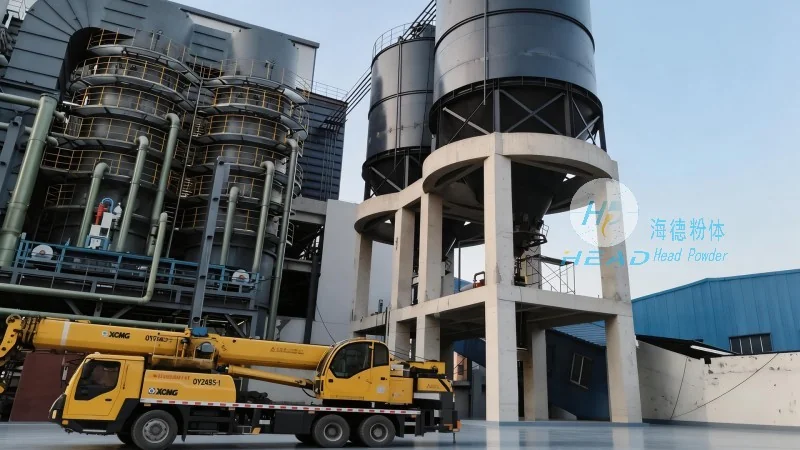
Key Components of an H2S Pneumatic Conveying System
An effective H2S pneumatic conveying system comprises several key components, each playing a vital role in the overall operation. The primary components include a material feed hopper, a conveyor line (typically made of corrosion-resistant materials such as stainless steel or special alloys to withstand H2S exposure), a pressure or vacuum source (air compressor or vacuum pump), and a control system. The feed hopper ensures a steady supply of H2S-laden material, while the conveyor line transports it to the destination. The pressure source provides the necessary force to move the material through the pipeline, and the control system monitors and adjusts the flow rate and pressure as needed. Other components may include in-line mixers, filters, and safety valves to ensure system reliability and safety.
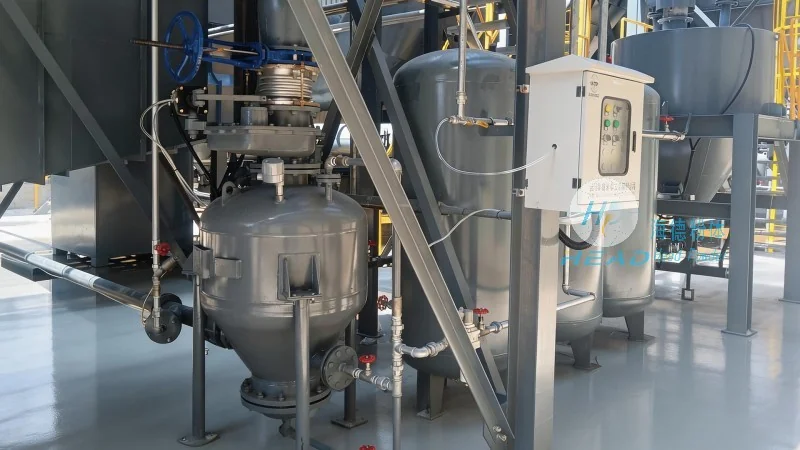
Applications in Industrial Settings
Pneumatic conveying systems for H2S are widely used in various industrial applications. In oil and gas refineries, these systems efficiently transport H2S from sour gas processing units to storage or treatment facilities. In chemical plants, they handle H2S-containing waste streams, ensuring safe and efficient disposal. Additionally, in petrochemical and pharmaceutical industries, pneumatic conveying is employed to transport H2S-laden materials during production processes, maintaining compliance with environmental regulations and safety standards.
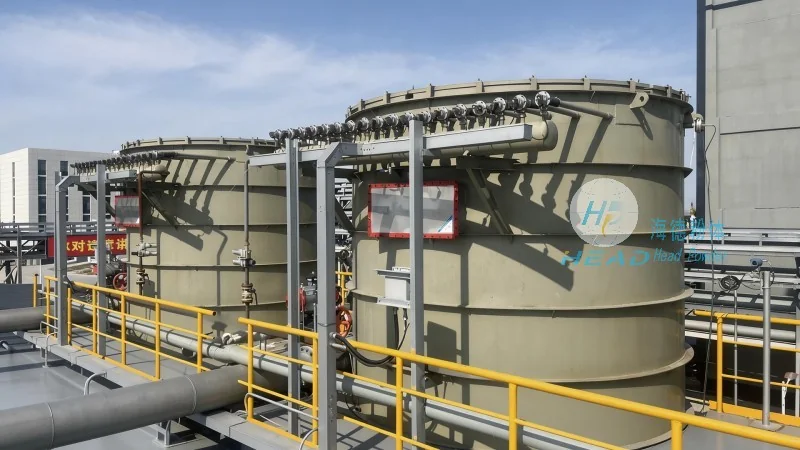
Choosing the Right Pneumatic Conveying Solution
When selecting a pneumatic conveying system for H2S transport, several factors must be considered. The system must be designed to handle the specific properties of H2S, including its toxicity, corrosiveness, and potential for creating hazardous conditions. Material compatibility is critical; components must be made from materials that resist H2S corrosion, such as 316L stainless steel or specialized coatings. Additionally, the system should incorporate robust safety features, including pressure relief valves, gas detectors, and emergency shutdown mechanisms. Consulting with experienced engineering firms, like Shandong HeadPowder Engineering Co., Ltd., can provide valuable insights into the most suitable system design and components for a particular application.
Conclusion
Pneumatic conveying technology represents a clean and efficient solution for enhancing H2S transport efficiency. By leveraging the principles of air movement to transport hazardous materials, these systems offer significant advantages over traditional methods, including improved safety, reduced environmental impact, and enhanced operational performance. For industries dealing with H2S, investing in a well-designed pneumatic conveying system is a strategic choice that aligns with both operational and environmental goals. With the expertise of companies like Shandong HeadPowder Engineering Co., Ltd., industries can implement reliable and effective H2S transport solutions that meet the highest standards of safety and efficiency.