

[Efficient and Clean Oxide Magnesium Handling: A Comprehensive Guide to Pneumatic Conveying Technolo
For industries dealing with oxide magnesium, optimizing material handling processes is crucial for maintaining operational efficiency and ensuring product integrity. Traditional methods like belt conveyors or manual handling often present challenges such as dust contamination, material degradation, and increased labor costs. In response to these challenges, pneumatic conveying technology has emerged as a superior solution, offering a clean, efficient, and reliable method for transporting oxide magnesium. This guide delves into the principles, benefits, and practical applications of pneumatic conveying systems tailored for oxide magnesium, highlighting how they can transform material handling operations.
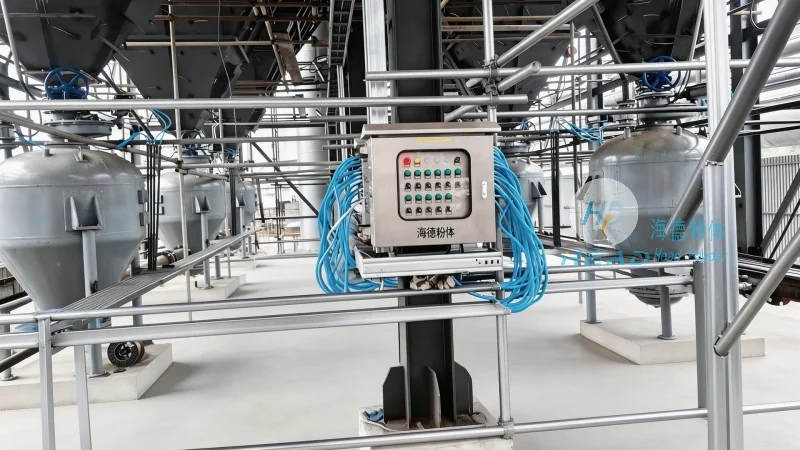
Pneumatic Conveying: The Key to Enhanced Efficiency in Oxide Magnesium Transport
Pneumatic conveying systems utilize air or gas to transport bulk materials like oxide magnesium through a network of pipes. Unlike mechanical systems, these systems eliminate the need for physical contact between the material and equipment, reducing wear and tear while minimizing the risk of contamination. The core components of a pneumatic conveying system include a hopper for material storage, a conveyor line (either positive or negative pressure), and a receiver for the discharged material. For oxide magnesium, which is often sensitive to moisture and contaminants, the choice of system design—such as dilute phase or dense phase conveying—plays a critical role in maintaining product quality.
Benefits of Pneumatic Conveying for Oxide Magnesium Handling
Implementing pneumatic conveying technology in oxide magnesium handling offers numerous advantages that directly impact operational performance. First, it significantly improves efficiency by reducing downtime and increasing throughput. The ability to transport materials over long distances without the need for intermediate transfers minimizes bottlenecks and streamlines production workflows. Second, the system provides a clean and hygienic environment, which is essential for oxide magnesium applications where purity is paramount. Unlike mechanical conveyors that can generate dust and particles, pneumatic systems contain material within a sealed pipeline, preventing exposure to the environment and maintaining product quality. Third, labor costs are reduced as the system automates the material handling process, minimizing the need for manual intervention and associated risks. Additionally, the flexibility of pneumatic conveying allows for easy integration with existing production lines, adapting to varying material volumes and processing requirements.
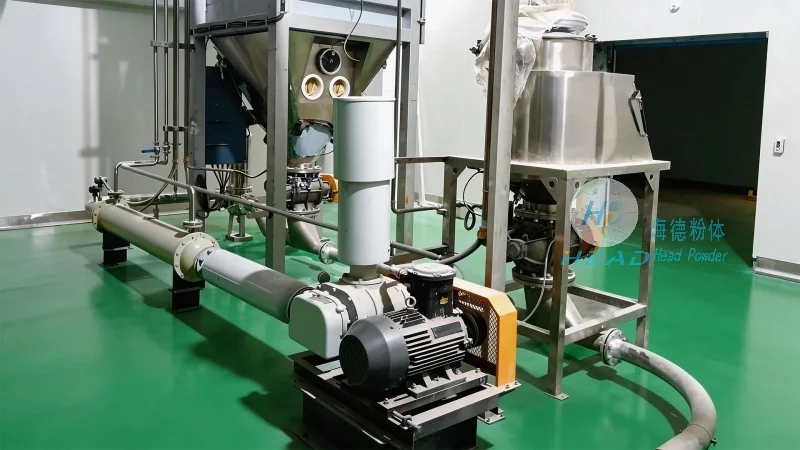
HeadPowder's Expertise in Oxide Magnesium Pneumatic Conveying Solutions
Shandong HeadPowder Engineering Co., Ltd., commonly known as HeadPowder, is a leading provider of customized pneumatic conveying solutions tailored for oxide magnesium and other sensitive bulk materials. With years of experience in the engineering and manufacturing of material handling systems, HeadPowder has developed a comprehensive range of products designed to meet the unique demands of oxide magnesium handling. The company specializes in designing systems that balance efficiency, reliability, and cost-effectiveness, ensuring that clients achieve optimal performance while maintaining product integrity. HeadPowder's team of experts works closely with clients to assess their specific operational needs, from material characteristics and processing requirements to facility layout and budget constraints. This collaborative approach ensures that the final solution is tailored to the client's unique challenges, delivering long-term benefits and sustainable performance.
Key Considerations for Selecting a Pneumatic Conveying System for Oxide Magnesium
When selecting a pneumatic conveying system for oxide magnesium, several factors must be carefully evaluated to ensure the optimal choice. The first consideration is the material's physical properties, including particle size, density, and moisture content. Oxide magnesium particles are typically fine and can be prone to agglomeration, which may affect the system's performance. Therefore, the system design must account for these characteristics to prevent blockages and ensure smooth material flow. Second, the distance and layout of the conveying route are critical. Longer distances may require higher air pressure or more complex system configurations, such as multi-stage conveying, to maintain material velocity and prevent settling. Third, the system's capacity and throughput must align with the production requirements. HeadPowder offers a range of system sizes and configurations, from small-scale laboratory systems to large industrial installations, allowing clients to choose the solution that best fits their operational needs. Additionally, the system's maintenance requirements and long-term operational costs should be considered, as these factors impact the overall return on investment.
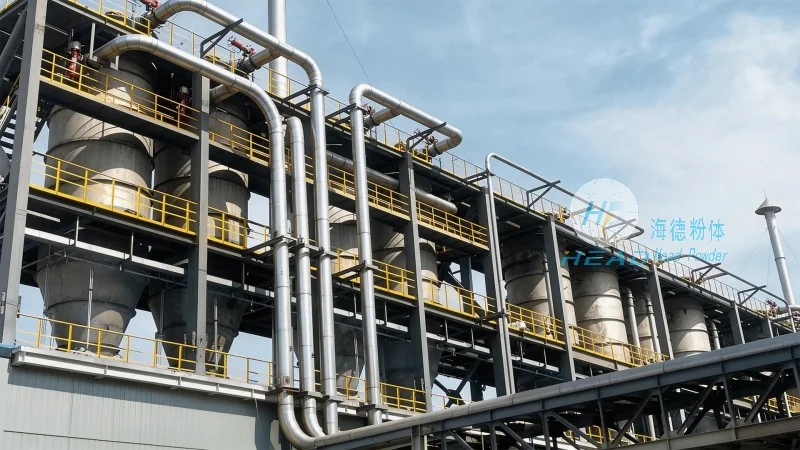
Real-World Applications and Success Stories
HeadPowder's pneumatic conveying systems have been successfully implemented in various industries dealing with oxide magnesium, demonstrating their effectiveness in improving operational efficiency and product quality. For example, a chemical manufacturing plant in China adopted a dense phase pneumatic conveying system to transport oxide magnesium from storage silos to processing units. The system eliminated dust contamination and reduced material degradation, resulting in a 20% increase in product purity and a 15% reduction in labor costs. Another client, a pharmaceutical company, implemented a dilute phase system to transport oxide magnesium for use in drug formulations. The system's clean and hygienic design ensured compliance with regulatory standards, while the automated operation minimized human exposure to the material. These success stories highlight the versatility and reliability of pneumatic conveying technology in oxide magnesium handling, making it an ideal choice for industries seeking to enhance their material handling processes.
Conclusion: The Future of Oxide Magnesium Handling with Pneumatic Conveying
As industries continue to prioritize efficiency, cleanliness, and product quality in material handling, pneumatic conveying technology remains a leading solution for oxide magnesium transport. The benefits of reduced contamination, increased throughput, and automated operation make it a compelling choice for companies looking to optimize their operations. With the expertise and experience of companies like Shandong HeadPowder Engineering Co., Ltd., clients can access tailored solutions that address their specific needs, ensuring long-term success and sustainability. By investing in advanced pneumatic conveying systems, oxide magnesium handling operations can achieve higher levels of performance, reliability, and cost-effectiveness, positioning themselves for growth and competitiveness in the market.