

[Efficient and Clean Solution for Sodium Hydroxide Powder Handling: A Detailed Guide to Pneumatic Co
For industries dealing with sodium hydroxide powder, selecting the right material handling method is crucial for operational efficiency, safety, and environmental compliance. Traditional methods like belt conveyors or bucket elevators may face challenges such as dust generation, material degradation, and maintenance issues. Pneumatic conveying technology emerges as a superior alternative, offering a clean, efficient, and reliable solution for transporting sodium hydroxide powder. This article explores the principles, benefits, and practical applications of pneumatic conveying systems tailored for sodium hydroxide powder handling, with insights from Shandong HeadPowder Engineering Co., Ltd., a leading provider in the field.
Pneumatic Conveying: How It Works for Sodium Hydroxide Powder
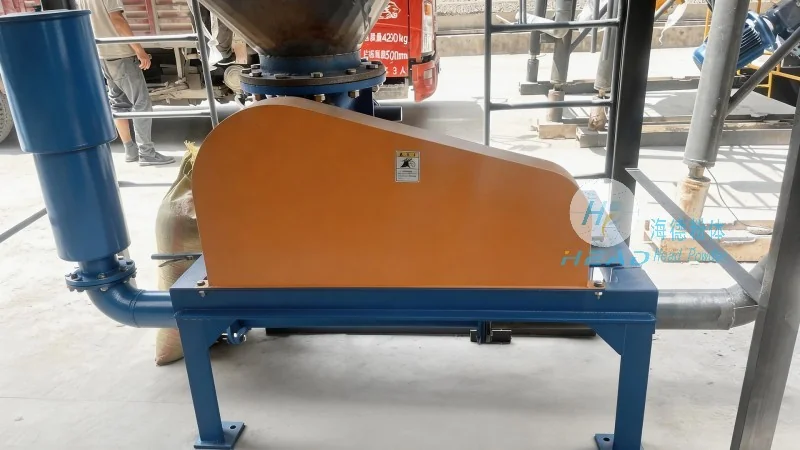
Pneumatic conveying systems utilize air or gas to transport bulk materials through a pipeline network. In the case of sodium hydroxide powder, these systems typically operate under pressure or vacuum, depending on the specific application requirements. The process involves feeding the powder into a hopper, where it is then entrained by a stream of air or gas. The mixture of powder and air travels through the pipeline to the destination point, where the powder is separated from the air and deposited. There are two primary types of pneumatic conveying systems: pressure and vacuum. Pressure systems use positive pressure to push the material through the pipeline, while vacuum systems use negative pressure to pull the material. For sodium hydroxide powder, which is often handled in large quantities and requires minimal material degradation, pressure systems are commonly preferred due to their higher conveying capacity and ability to handle longer distances.
Key Benefits of Pneumatic Conveying for Sodium Hydroxide Powder
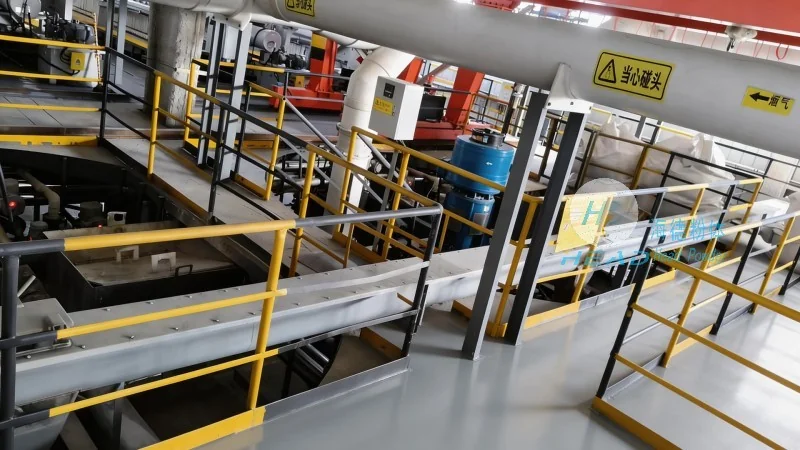
Implementing pneumatic conveying for sodium hydroxide powder offers numerous advantages that enhance overall operational performance. First and foremost, it provides a dust-free environment, which is critical for maintaining workplace safety and compliance with environmental regulations. Unlike traditional methods that generate significant dust, pneumatic systems contain the material within a sealed pipeline, preventing exposure to airborne particles. This not only reduces the risk of respiratory issues for workers but also minimizes the need for extensive dust control measures, such as filtration systems or enclosures. Second, pneumatic conveying minimizes material degradation. Sodium hydroxide powder is sensitive to moisture and mechanical stress, which can lead to clumping or loss of effectiveness. The enclosed pipeline and controlled air flow in pneumatic systems prevent moisture absorption and reduce friction, ensuring the powder remains in its optimal state throughout the conveying process. Third, these systems offer high conveying efficiency and flexibility. Pneumatic conveyors can transport sodium hydroxide powder over long distances with minimal energy consumption, and they can be easily integrated with existing production lines or modified to accommodate varying throughput requirements. Additionally, the modular design of pneumatic systems allows for easy expansion or reconfiguration as production needs evolve. Finally, maintenance costs are generally lower compared to other bulk handling methods. The absence of moving parts in the pipeline (other than the air flow) reduces wear and tear, and the enclosed system simplifies cleaning and maintenance procedures.
Customized Solutions from Shandong HeadPowder Engineering Co., Ltd.
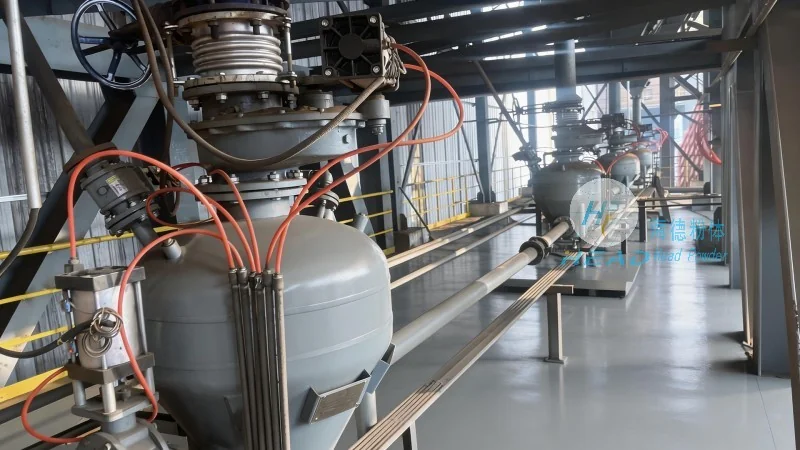
Shandong HeadPowder Engineering Co., Ltd., operating under the brand name headpowder, specializes in designing and manufacturing customized pneumatic conveying systems tailored to the unique needs of sodium hydroxide powder handling. The company’s expertise lies in understanding the specific challenges associated with sodium hydroxide, such as its hygroscopic nature and potential for chemical reactions with other materials. By leveraging advanced engineering and material science, headpowder develops systems that ensure optimal performance while maintaining safety and efficiency. For example, their systems may incorporate specialized hopper designs to prevent material bridging or agglomeration, which are common issues with sodium hydroxide powder. Additionally, the company uses high-quality materials, such as stainless steel or corrosion-resistant alloys, to protect against the alkaline properties of sodium hydroxide and ensure long-term durability. Headpowder also provides comprehensive support, including system design, installation, and after-sales service, to ensure that clients achieve the best possible results. Their team of engineers works closely with clients to assess their specific requirements, such as the volume of powder to be conveyed, the distance of transport, and the desired level of automation, to develop a tailored solution that meets all operational and safety standards.
Applications and Case Studies
Pneumatic conveying systems for sodium hydroxide powder find applications in various industries, including chemical manufacturing, paper production, and water treatment. In chemical plants, these systems are used to transport sodium hydroxide from storage silos to reactors or processing units, ensuring a continuous and controlled supply of the material. In the paper industry, sodium hydroxide is used as a pulping agent and for bleaching processes, and pneumatic conveyors help maintain a consistent flow of the powder to the processing equipment. In water treatment facilities, sodium hydroxide is used for pH adjustment and scale control, and the clean and efficient nature of pneumatic conveying is essential for maintaining water quality standards. Several case studies highlight the success of pneumatic conveying systems implemented by headpowder. For instance, a chemical manufacturing plant in China reduced dust emissions by 90% and increased production efficiency by 20% after switching to a pressure pneumatic conveying system designed by headpowder. Another client, a paper mill, reported a 15% reduction in material handling costs and improved product quality due to the consistent and dust-free delivery of sodium hydroxide powder. These examples demonstrate the tangible benefits of adopting pneumatic conveying technology for sodium hydroxide powder handling.
Conclusion: The Future of Sodium Hydroxide Powder Handling
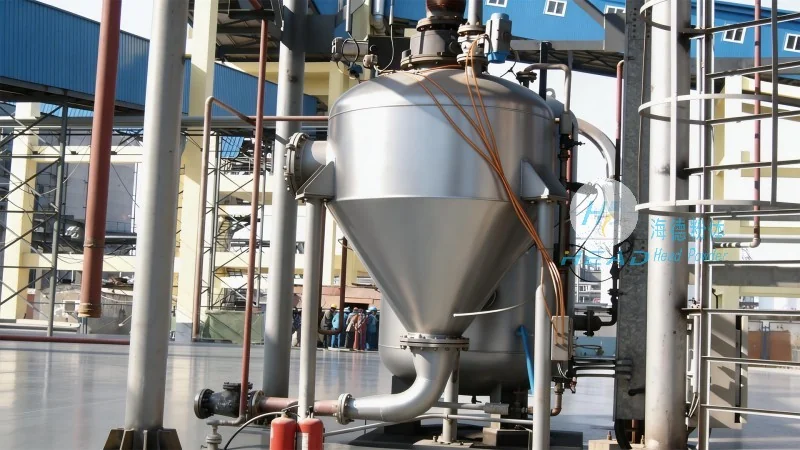
As industries continue to prioritize efficiency, safety, and sustainability, pneumatic conveying technology stands out as a leading solution for sodium hydroxide powder handling. By providing a clean, efficient, and reliable method of material transport, these systems help companies meet regulatory requirements, reduce operational costs, and enhance overall productivity. Shandong HeadPowder Engineering Co., Ltd. remains at the forefront of this technology, offering customized solutions that address the unique challenges of sodium hydroxide powder. With their expertise and commitment to quality, headpowder continues to be a trusted partner for industries seeking to optimize their material handling processes. The adoption of pneumatic conveying not only improves current operations but also positions companies for future growth and compliance, making it a smart investment for any business dealing with sodium hydroxide powder.