

[Efficient and Clean Solution for Sulfate Nickel Transport: A Detailed Explanation of Pneumatic Conv
For industries dealing with sulfate nickel, optimizing material transport is crucial for operational efficiency and cost management. Traditional methods often face challenges such as dust pollution, equipment wear, and limited throughput. In response to these challenges, pneumatic conveying technology has emerged as a superior alternative, offering a clean, efficient, and reliable solution for transporting sulfate nickel. This article delves into the principles, benefits, and practical applications of pneumatic conveying systems specifically designed for sulfate nickel, highlighting how it addresses the unique demands of this material.
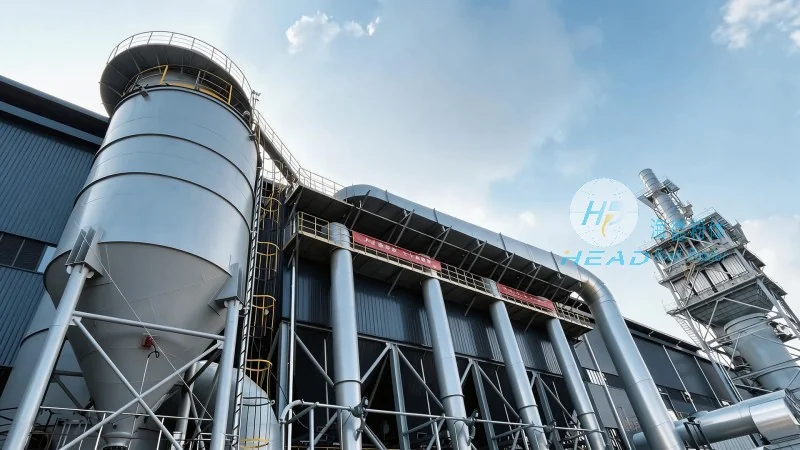
Pneumatic Conveying: An Overview
Pneumatic conveying is a method of transporting bulk materials through a pipeline using air or other gases. Unlike mechanical systems that rely on belts, buckets, or screws, pneumatic systems utilize pressure differentials to move material. There are two primary types: pressure and vacuum systems. Pressure systems use compressed air to push material forward, while vacuum systems create a negative pressure to draw material into the pipeline. For sulfate nickel, which is often a fine or granular powder, pressure systems are commonly preferred due to their ability to handle high material loads and maintain consistent flow rates.
Key Benefits of Pneumatic Conveying for Sulfate Nickel
Implementing pneumatic conveying for sulfate nickel offers several distinct advantages over conventional transport methods. First, it significantly reduces dust generation and contamination, which is critical for maintaining a clean working environment and preventing product degradation. Sulfate nickel is a hygroscopic material, meaning it absorbs moisture from the air, and dust control is essential to preserve its quality. Second, pneumatic systems provide high throughput and flexibility. They can transport materials over long distances and through complex layouts without the need for multiple transfer points, which simplifies the overall process flow. Third, these systems minimize equipment wear and maintenance costs. Unlike mechanical conveyors that experience friction and abrasion, pneumatic pipelines are less prone to wear, extending the lifespan of the equipment and reducing downtime.
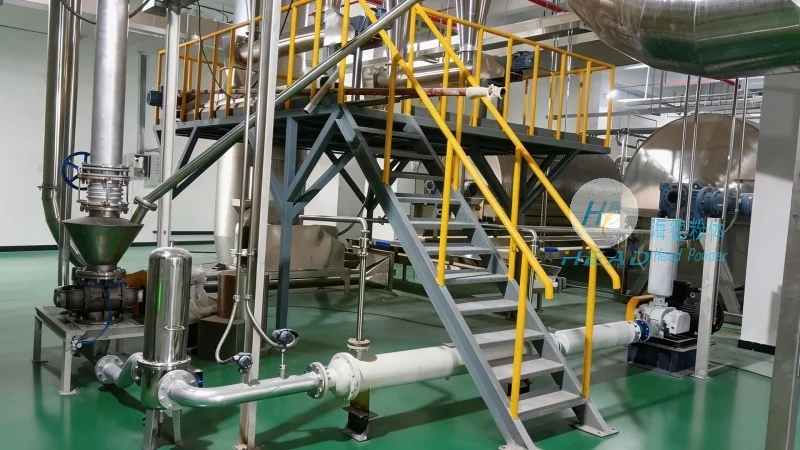
Design Considerations for Sulfate Nickel Pneumatic Conveying Systems
The success of a pneumatic conveying system for sulfate nickel depends on careful design and selection of components. Key considerations include material properties, such as the particle size, density, and flowability of the nickel sulfate. The system must be engineered to handle these characteristics without clogging or blockages. For example, the pipeline diameter and velocity must be optimized to ensure that the material remains in suspension and does not settle. Additionally, the system should incorporate features like cyclones or filters to separate the material from the air stream, preventing dust accumulation and maintaining air quality. The choice between pressure and vacuum systems also depends on the specific application, such as the distance to be covered and the required material flow rate.
Applications in Industrial Settings
Pneumatic conveying systems are widely used in various industrial applications involving sulfate nickel. In battery manufacturing, for instance, the material is often transported from storage silos to processing lines, where it is used as a key component in lithium-ion batteries. The clean and efficient nature of pneumatic systems is particularly valuable in this context, as any contamination could affect the performance and safety of the final product. Similarly, in chemical processing plants, pneumatic conveying is used to move sulfate nickel between reactors, mixers, and storage tanks, ensuring a smooth and continuous production process. The flexibility of these systems allows them to be integrated into existing facilities with minimal disruption, making them a practical solution for upgrading or expanding operations.
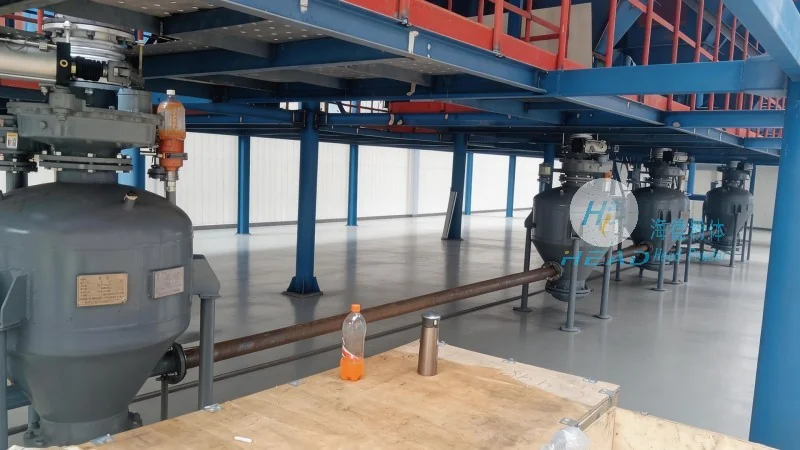
Case Study: HeadPowder Engineering's Pneumatic Conveying Solutions
Shandong HeadPowder Engineering Co., Ltd., a leading provider of material handling solutions, specializes in designing and manufacturing pneumatic conveying systems tailored to the needs of sulfate nickel and other fine materials. With a focus on efficiency and cleanliness, HeadPowder has developed advanced systems that address the unique challenges of transporting sulfate nickel. Their solutions include high-capacity pressure conveyors, dust collection systems, and automated control panels that optimize material flow and reduce operational costs. By leveraging their expertise in material science and engineering, HeadPowder ensures that their systems deliver reliable performance while maintaining compliance with environmental standards. Clients in the battery and chemical industries have reported significant improvements in productivity and reduced maintenance expenses after implementing HeadPowder's pneumatic conveying solutions.
Conclusion
Pneumatic conveying technology represents a significant advancement in the efficient and clean transport of sulfate nickel. By leveraging the principles of air movement and material suspension, these systems offer a superior alternative to traditional methods, addressing key challenges such as dust control, throughput, and equipment longevity. For industries seeking to optimize their sulfate nickel handling processes, pneumatic conveying provides a robust and flexible solution. With companies like Shandong HeadPowder Engineering Co., Ltd. leading the way in system design and implementation, the adoption of pneumatic conveying is becoming increasingly common, driving improvements in operational efficiency and product quality across the industry.