

Enhancing PTFE Transport Efficiency: A Clean Solution with Pneumatic Conveying Technology Explained
For industries dealing with polytetrafluoroethylene (PTFE), optimizing material transport while maintaining cleanliness and efficiency is a critical challenge. Traditional methods often involve manual handling or mechanical systems that can introduce contamination or reduce operational speed. This is where pneumatic conveying technology emerges as a superior alternative, offering a clean, efficient, and reliable solution for PTFE transport. The following exploration delves into the benefits of pneumatic conveying and how companies like Shandong HeadPowder Engineering Co., Ltd. are leveraging this technology to enhance PTFE handling processes.
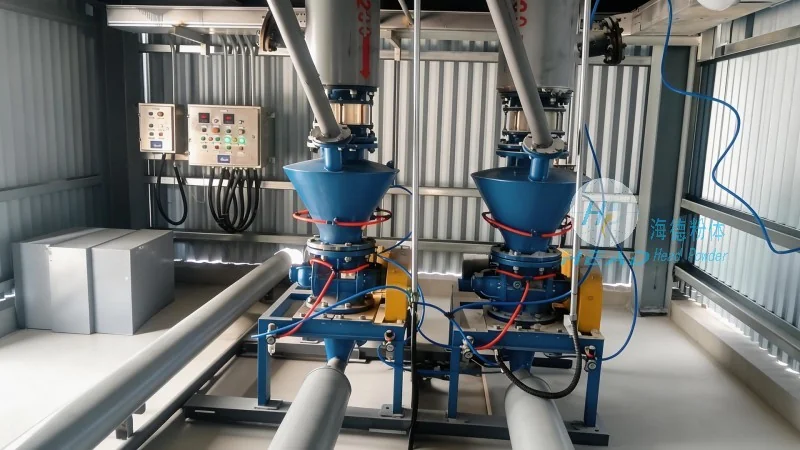
Pneumatic Conveying: The Clean and Efficient Choice for PTFE Transport
Pneumatic conveying systems utilize air or other gases to transport bulk materials through a pipeline network. This method eliminates the need for mechanical components like belts or buckets, which can introduce particulate contamination or wear over time. For PTFE, a material prized for its non-stick, chemical-resistant properties, maintaining purity is paramount. Pneumatic conveying ensures that PTFE particles remain free from external contaminants, preserving their integrity and performance in downstream applications. The technology also minimizes product degradation by reducing friction and mechanical stress during transport.
Key Advantages of Pneumatic Conveying for PTFE Handling
One of the primary benefits of pneumatic conveying is its ability to handle PTFE in a closed system, preventing dust emissions and environmental contamination. This is particularly important for PTFE, which can release fine particles that are hazardous if inhaled or ingested. The closed-loop design of pneumatic systems ensures that all material is contained, making it ideal for applications where cleanliness is non-negotiable, such as in pharmaceutical, food, or electronics manufacturing. Additionally, pneumatic conveying offers high throughput rates, allowing for rapid material transfer even for large volumes of PTFE. This efficiency reduces downtime and increases overall productivity in production lines.
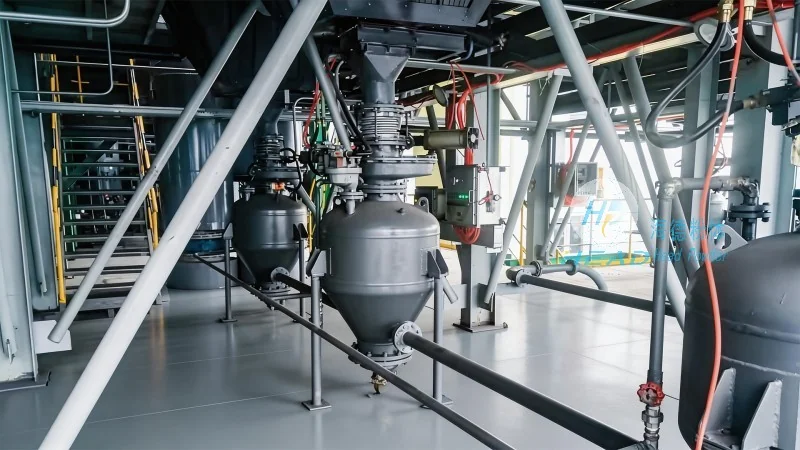
HeadPowder's Expertise in PTFE Pneumatic Conveying Solutions
Shandong HeadPowder Engineering Co., Ltd., a leading provider of material handling solutions, specializes in designing and implementing pneumatic conveying systems tailored to the unique needs of PTFE. With years of experience in the industry, HeadPowder understands the specific challenges associated with PTFE, such as its low bulk density and tendency to stick to surfaces. The company’s engineers develop customized systems that address these challenges, ensuring smooth and efficient transport. For example, HeadPowder may incorporate features like positive displacement blowers, which provide consistent air pressure to maintain material flow, or specialized hopper designs that prevent PTFE buildup and ensure uniform feeding.
Real-World Applications and Case Studies
HeadPowder’s pneumatic conveying solutions have been successfully implemented in various industries, demonstrating their effectiveness in improving PTFE transport efficiency. In a recent project for a PTFE manufacturer, HeadPowder designed a system that reduced manual handling by 70% and minimized product contamination by 90%. The system’s closed-loop design ensured that all PTFE particles remained within the pipeline, preventing dust from escaping into the environment. Another case involved a food processing plant that required PTFE for non-stick coatings, where HeadPowder’s system maintained the material’s purity, meeting stringent food safety regulations. These examples highlight how pneumatic conveying, when implemented by a knowledgeable partner like HeadPowder, can transform PTFE handling from a labor-intensive and risky process to a streamlined, clean operation.
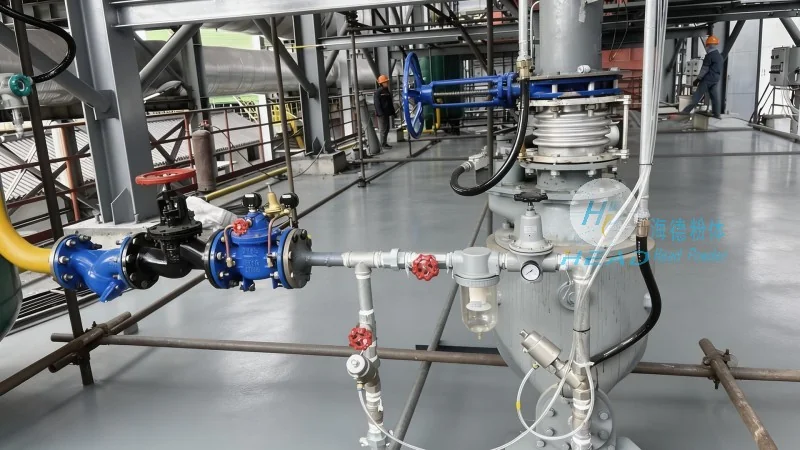
Technical Considerations for PTFE Pneumatic Conveying
Implementing pneumatic conveying for PTFE requires careful consideration of several technical factors to ensure optimal performance. The first is the selection of the right air velocity, which must be high enough to keep PTFE particles suspended but low enough to prevent excessive wear on the pipeline. HeadPowder’s engineers use computational fluid dynamics (CFD) to model the flow of PTFE particles and determine the optimal air velocity for each application. Another critical factor is the material of construction for the pipeline and components. PTFE is chemically inert, but it can be abrasive, so materials like stainless steel or PTFE-coated liners are often used to prevent wear and maintain the system’s integrity. Additionally, the system must be designed to handle the low bulk density of PTFE, which can cause it to settle in the pipeline if not properly agitated. HeadPowder’s solutions often include vibratory feeders or air knives to maintain material flow and prevent clogging.
Conclusion: The Future of PTFE Transport with Pneumatic Conveying
As industries continue to demand higher standards of cleanliness and efficiency in material handling, pneumatic conveying technology stands out as a reliable and effective solution for PTFE transport. By leveraging the expertise of companies like Shandong HeadPowder Engineering Co., Ltd., manufacturers can optimize their PTFE handling processes, reduce costs, and improve product quality. The closed-loop design of pneumatic systems ensures that PTFE remains pure and uncontaminated, while high throughput rates enhance productivity. With the right system design and implementation, pneumatic conveying can transform PTFE transport from a challenging task into a seamless, clean operation. For companies looking to enhance their PTFE handling capabilities, pneumatic conveying is a smart investment that delivers long-term benefits.