

Introduction to High-Calcium Pneumatic Conveying Equipment: Structure and Working Principle
High-calcium pneumatic conveying equipment is a specialized system designed for the efficient transport of materials with high calcium content, such as limestone, calcium carbonate, or other calcium-rich powders. This equipment plays a crucial role in various industrial applications, including mining, chemical processing, and food production, where reliable and low-cost material handling is essential. The design and operation of high-calcium pneumatic conveyors are tailored to handle the unique properties of calcium-based materials, ensuring minimal degradation and optimal performance.
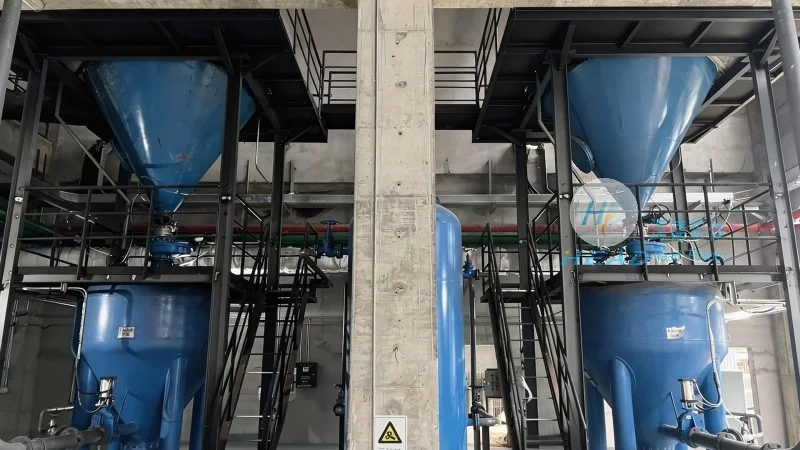
HeadPowder, a leading manufacturer based in Shandong, China, specializes in the development and production of high-quality high-calcium pneumatic conveying systems. With a strong focus on engineering excellence and customer satisfaction, the company has established itself as a trusted partner for industries requiring robust material handling solutions. The company’s headquarters and primary operations are located in Shandong, China, where state-of-the-art manufacturing facilities and research centers are situated to support continuous innovation and product improvement.
Key Structural Components of High-Calcium Pneumatic Conveying Systems
The high-calcium pneumatic conveying system typically consists of several critical components that work in tandem to ensure efficient material transport. The main parts include the material feed hopper, the air supply system (usually a blower or compressor), the conveying line (often made of stainless steel or other corrosion-resistant materials), and the discharge outlet. Each component is carefully designed to accommodate the high calcium content of the material, preventing clogging and ensuring smooth operation.
The material feed hopper is responsible for storing and feeding the high-calcium powder into the conveying line. It is equipped with a feeding mechanism, such as a rotary valve or a screw feeder, which controls the flow rate of the material. The hopper is often made of durable materials like stainless steel to withstand the abrasive nature of calcium-based powders. The air supply system provides the necessary pressure and volume of air to move the material through the conveying line. This system includes a blower or compressor, along with air filters and regulators to maintain consistent air quality and pressure.
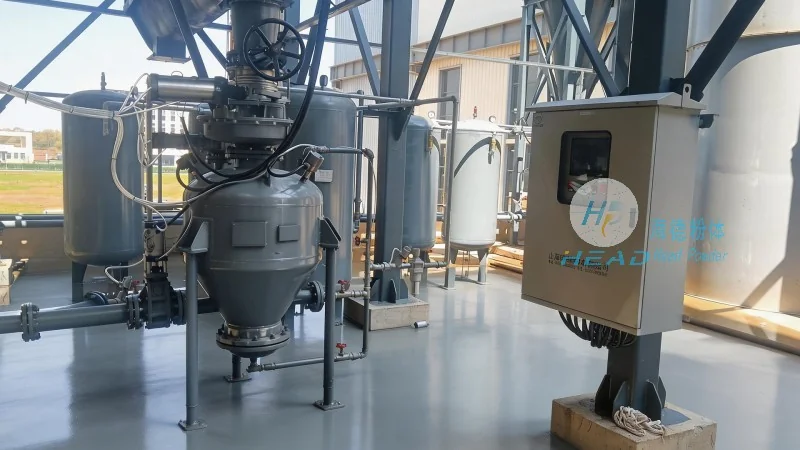
The conveying line is the core of the system, responsible for transporting the material from the feed hopper to the discharge point. It is usually constructed from stainless steel or other corrosion-resistant materials to prevent wear and tear caused by the calcium-based material. The line may include bends, elbows, and other fittings to navigate the path of the material, and it is equipped with pressure sensors and monitoring devices to ensure safe and efficient operation. The discharge outlet is where the material is released from the conveying line, typically into a storage silo or processing equipment. It is designed to minimize dust generation and ensure a controlled release of the material.
Working Principle of High-Calcium Pneumatic Conveying Equipment
The operation of high-calcium pneumatic conveying equipment is based on the principle of pneumatic transport, where material is suspended and transported by a stream of air. The process begins with the material being fed from the hopper into the conveying line. The air supply system then generates a high-pressure air stream that enters the conveying line, creating a low-pressure environment within the line. This pressure difference causes the material to be entrained by the air stream and carried through the line to the discharge point.
As the material travels through the conveying line, it is kept in suspension by the air flow. The velocity of the air is carefully controlled to ensure that the material particles are fully suspended without causing excessive wear on the conveying line or the air supply system. The system is designed to maintain a consistent flow rate of both air and material, which is crucial for preventing clogging and ensuring efficient transport. The discharge outlet then releases the material into the next stage of processing or storage, completing the conveying process.
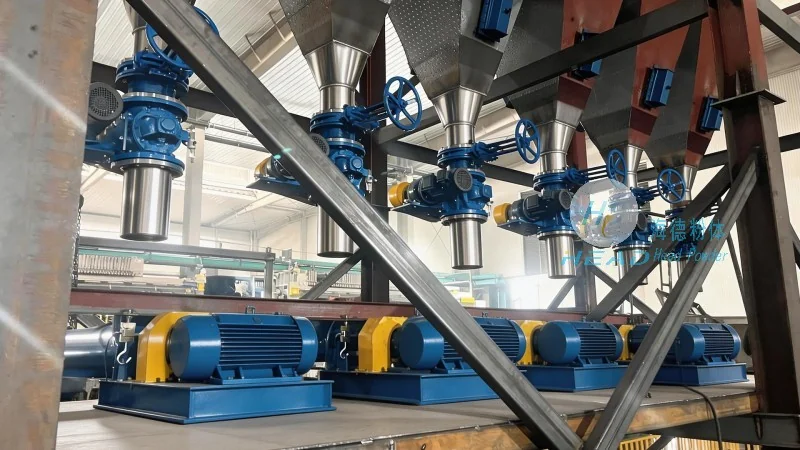
HeadPowder’s high-calcium pneumatic conveying systems are engineered to optimize the pneumatic transport process for calcium-rich materials. The company’s expertise in material handling and pneumatic technology allows for the design of systems that minimize energy consumption while maximizing material throughput. The systems are also equipped with advanced control systems that monitor and adjust the air pressure, flow rate, and material feed rate in real-time, ensuring optimal performance and reliability.
Benefits and Applications of High-Calcium Pneumatic Conveying Equipment
High-calcium pneumatic conveying equipment offers several advantages over traditional material handling methods, such as belt conveyors or bucket elevators. One of the primary benefits is the ability to transport materials over long distances without the need for multiple transfer points, reducing the risk of material degradation and contamination. The system is also highly flexible, allowing for changes in the conveying route or material flow without significant modifications to the equipment.
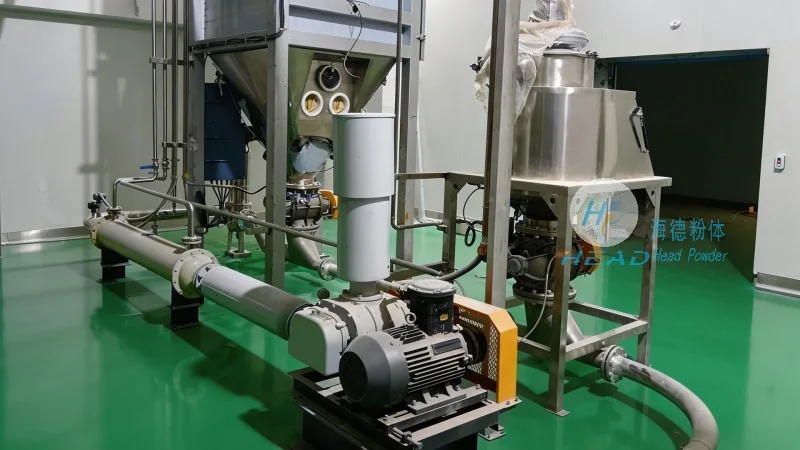
Another key advantage is the low maintenance requirement of pneumatic conveying systems. Unlike mechanical conveyors, which require regular lubrication and part replacement, pneumatic systems have fewer moving parts and are less prone to wear and tear. This results in lower operational costs and increased uptime for the equipment. Additionally, the system is capable of handling materials with varying particle sizes and moisture content, making it suitable for a wide range of high-calcium applications.
High-calcium pneumatic conveying equipment is widely used in various industries where calcium-based materials are processed. In the mining industry, it is used to transport limestone and other raw materials from the mine to processing facilities. In the chemical industry, it is used to convey calcium carbonate for the production of plastics, paints, and other products. In the food industry, it is used to handle calcium-rich ingredients like calcium carbonate in the production of dairy products and supplements. The versatility and efficiency of high-calcium pneumatic conveying systems make them an essential component in modern material handling operations.
Conclusion and Company Overview
High-calcium pneumatic conveying equipment is a critical solution for industries dealing with calcium-rich materials, offering efficient, reliable, and cost-effective material handling. HeadPowder, with its headquarters in Shandong, China, is a leading manufacturer of these systems, providing high-quality products and services to meet the diverse needs of its customers. The company’s commitment to engineering excellence, innovation, and customer satisfaction ensures that its high-calcium pneumatic conveying systems are among the best in the industry, delivering superior performance and long-term value to users.