

[Silicate Positive Pressure and Negative Pressure Conveying: A Comparative Analysis of Two Pneumatic
HeadPowder, a leading provider of industrial conveying solutions, specializes in advanced pneumatic conveying technologies tailored for the handling of silicate materials. This article provides a detailed comparison between positive pressure and negative pressure conveying systems, highlighting their applications, advantages, and operational considerations in the context of silicate material transport.
Introduction to Pneumatic Conveying Systems
Pneumatic conveying is a widely used method for transporting bulk materials, including powders and granules, through the use of air or gas as the conveying medium. In the processing of silicate materials, such as silica sand, kaolin, and other ceramic raw materials, the choice between positive pressure and negative pressure systems significantly impacts operational efficiency, material quality, and system maintenance. Understanding the differences and benefits of each approach is crucial for selecting the most suitable conveying solution for specific industrial applications.
Positive Pressure Conveying Systems
Positive pressure conveying, also known as pressure pneumatic conveying, operates by generating a pressure higher than the ambient air pressure within the conveying line. This method is particularly effective for transporting silicate materials over longer distances or through complex system layouts. The system typically includes a positive displacement blower or a rotary lobe pump that creates the necessary pressure to move the material. One of the key advantages of positive pressure systems is their ability to handle materials with high moisture content or those that are prone to caking, as the higher pressure helps maintain material flow and prevents blockages. Additionally, positive pressure systems can be designed to operate with higher air velocities, which is beneficial for materials that are difficult to convey due to their low bulk density or cohesive properties.
Negative Pressure Conveying Systems
Negative pressure conveying, or vacuum pneumatic conveying, operates by creating a vacuum in the conveying line, drawing material from the source into the system. This method is commonly used for short to medium distance conveying, especially when the material is to be collected from a hopper or a storage silo. The system relies on a vacuum pump to create the pressure differential that pulls the material through the line. A significant advantage of negative pressure systems is their lower energy consumption compared to positive pressure systems, as they do not require high-pressure air generation. However, negative pressure systems are generally less suitable for materials that are highly abrasive or that tend to generate dust, as the vacuum can cause material to stick to the system components, leading to increased maintenance and potential material loss.
Key Considerations for Silicate Material Conveying
When selecting between positive and negative pressure conveying for silicate materials, several factors must be considered. The first is the distance and layout of the conveying system. Positive pressure systems are preferred for longer distances or when the system involves multiple bends and changes in elevation. Negative pressure systems are more suitable for shorter distances and when the material is to be collected from a fixed point. Another critical factor is the material's physical properties, such as particle size, moisture content, and cohesive behavior. Silicate materials like kaolin or silica sand often have fine particles that can cause clogging in negative pressure systems, making positive pressure a better choice. Additionally, the system's energy efficiency and maintenance requirements play a role in the decision. Positive pressure systems may consume more energy but offer better control over material flow and can handle a wider range of material types. Negative pressure systems, while more energy-efficient, may require more frequent cleaning and maintenance due to the accumulation of fine particles.
Application Examples in Silicate Processing
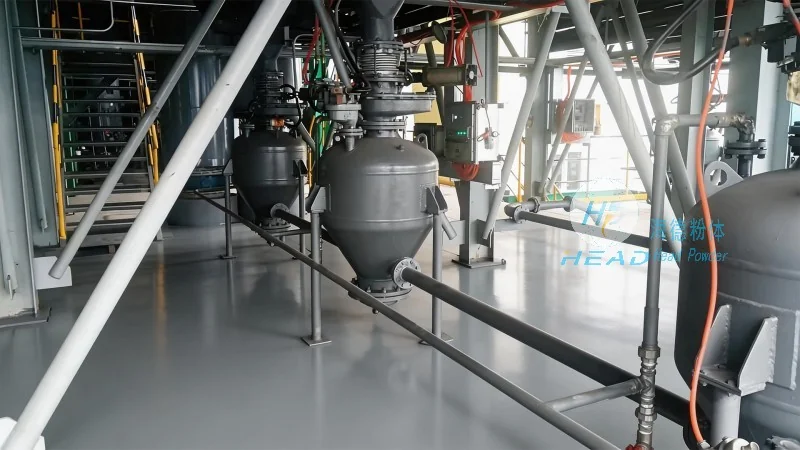
HeadPowder has extensive experience in implementing both positive and negative pressure conveying systems for various silicate processing applications. For instance, in the production of ceramic tiles, positive pressure systems are commonly used to transport kaolin and silica sand from storage silos to the mixing and molding stages. The high pressure and controlled air flow ensure that the fine particles are conveyed efficiently without clogging the system. In contrast, negative pressure systems are used in the collection of dust from processing equipment, where the vacuum helps to capture and transport fine silicate particles from the air stream back to a collection hopper. These applications demonstrate the versatility of both systems and how the choice of conveying method can impact the overall efficiency and quality of the production process.
Conclusion and Recommendations
Both positive pressure and negative pressure pneumatic conveying systems offer viable solutions for the transport of silicate materials, each with its own set of advantages and limitations. The selection of the appropriate system depends on factors such as conveying distance, material properties, system layout, and operational requirements. For applications involving long distances or materials with high moisture content, positive pressure systems are generally more suitable. For shorter distances or when energy efficiency is a primary concern, negative pressure systems may be preferred. HeadPowder, with its expertise in industrial conveying technologies, can provide customized solutions that optimize material handling efficiency while minimizing operational costs and maintenance requirements. By understanding the specific needs of the silicate processing industry, HeadPowder ensures that the chosen conveying system aligns with the production goals and operational constraints of the client.