

Fine Sand Positive Pressure and Negative Pressure Conveying: A Comparative Analysis of Two Pneumatic
When it comes to transporting fine sand, selecting the right pneumatic conveying method is crucial for efficiency, cost-effectiveness, and operational safety. Two primary approaches dominate the industry: positive pressure conveying and negative pressure conveying. This analysis delves into the characteristics, advantages, and limitations of each method, providing a comprehensive comparison to help businesses make informed decisions.
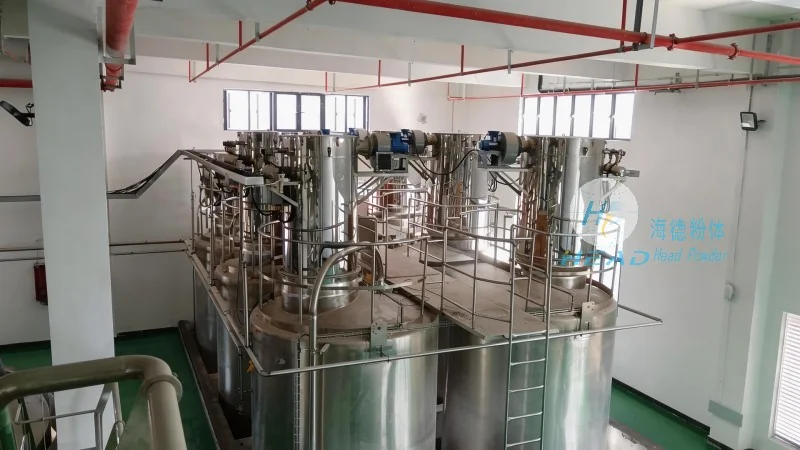
Introduction to Pneumatic Conveying for Fine Sand
Fine sand, typically defined as particles with a diameter of less than 0.5 mm, presents unique challenges during transportation due to its fine particle size and potential for dust generation. Pneumatic conveying systems use air or gas to move materials through a pipeline, offering a dust-free, enclosed solution that is ideal for fine powders. The choice between positive and negative pressure systems depends on factors such as material properties, distance, and system complexity.
Company Overview: Shandong HeadPowder Engineering Co., Ltd.
HeadPowder, a leading provider of pneumatic conveying solutions, specializes in designing and manufacturing systems tailored to the needs of the fine sand industry. With a focus on innovation and reliability, the company has established itself as a trusted partner for businesses seeking efficient material handling solutions. HeadPowder's expertise lies in understanding the nuances of different conveying methods and providing customized solutions that meet specific operational requirements.
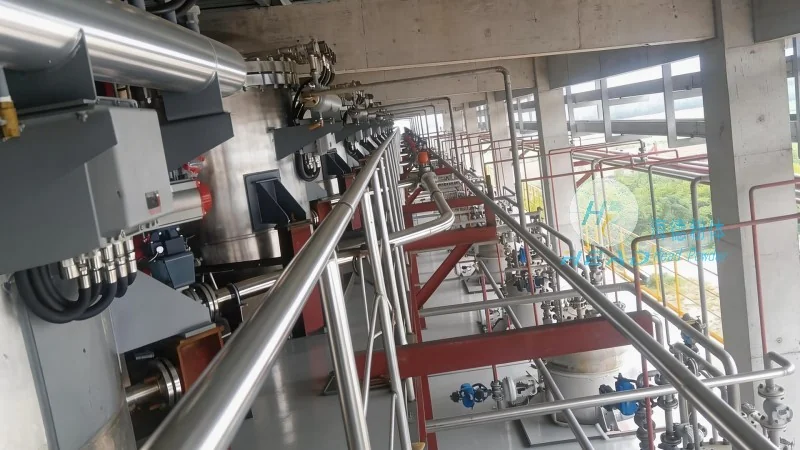
Positive Pressure Conveying: Advantages and Applications
Positive pressure conveying operates by blowing air or gas into the conveying line, creating a pressure higher than the ambient air. This method is particularly effective for transporting fine sand over longer distances and through complex piping networks. The primary advantages of positive pressure systems include high material throughput, minimal pressure drop, and the ability to handle abrasive materials without excessive wear on components. Additionally, positive pressure systems are generally easier to maintain and repair, as they do not require complex vacuum pumps or extensive filtration systems.
Negative Pressure Conveying: Advantages and Applications
Negative pressure conveying, also known as vacuum conveying, works by creating a vacuum in the conveying line, drawing material into the system. This method is often preferred for shorter distances and applications where dust containment is critical. The key benefits of negative pressure systems include lower energy consumption for short-distance transport, reduced noise levels, and the ability to handle materials that are sensitive to pressure changes. However, negative pressure systems are more complex to design and maintain, as they require robust vacuum pumps and efficient filtration to prevent dust accumulation and system blockages.
Key Differences Between Positive and Negative Pressure Conveying
Several critical factors differentiate positive and negative pressure conveying systems. First, the pressure differential: positive pressure systems operate at pressures above ambient, while negative pressure systems operate at pressures below ambient. Second, the direction of material flow: positive pressure systems push material forward, whereas negative pressure systems pull material. Third, the energy requirements: positive pressure systems typically consume more energy due to the need to overcome higher pressure differentials, while negative pressure systems may be more energy-efficient for short distances. Finally, the system complexity and maintenance: positive pressure systems are generally simpler and less prone to blockages, while negative pressure systems require more sophisticated filtration and vacuum pump management.
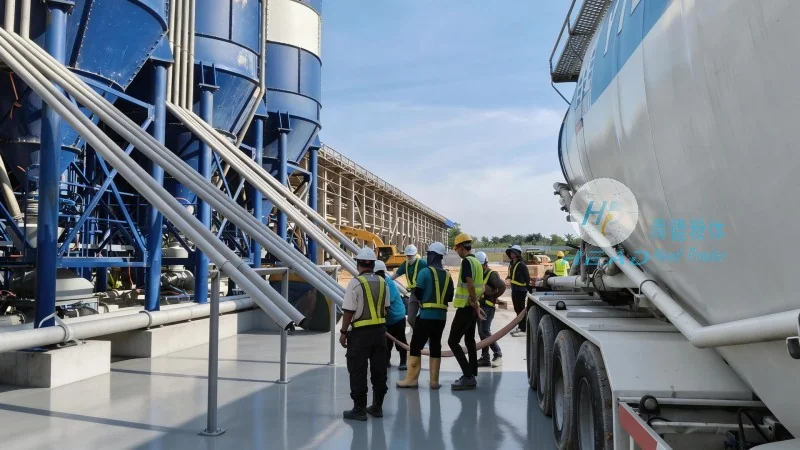
Choosing the Right Conveying Method for Fine Sand
The decision between positive and negative pressure conveying for fine sand should be based on a thorough evaluation of operational needs, material characteristics, and cost considerations. For applications requiring long-distance transport or handling of abrasive materials, positive pressure systems may be the more suitable choice. Conversely, for shorter distances or applications where dust control and energy efficiency are paramount, negative pressure systems may offer advantages. It is essential to consult with experts, such as those at Shandong HeadPowder Engineering Co., Ltd., to assess the specific requirements and select the optimal conveying method.
Conclusion
Both positive pressure and negative pressure pneumatic conveying methods offer viable solutions for fine sand transportation, each with its own set of advantages and limitations. By understanding the fundamental differences and aligning them with operational goals, businesses can select the most efficient and cost-effective system. HeadPowder, with its expertise in pneumatic conveying technology, provides tailored solutions that enhance productivity and ensure compliance with industry standards. Whether opting for positive or negative pressure, the goal is to achieve reliable, safe, and efficient material handling for fine sand applications.