

Introduction to Pneumatic Powder Conveying Equipment for Milk Powder: Structure and Working Principl
For industries dealing with milk powder, efficient and reliable material handling is crucial. The pneumatic powder conveying system is a key solution that ensures safe, hygienic, and effective transportation of milk powder. This article provides an overview of the structure and working principle of such equipment, highlighting its importance in modern dairy processing and manufacturing.
Overview of Pneumatic Powder Conveying Systems
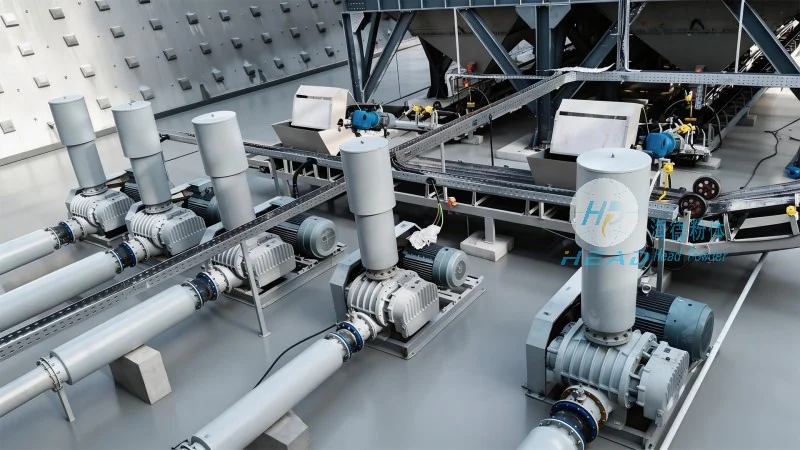
Pneumatic powder conveying systems are designed to transport bulk milk powder through a pipeline using air pressure. Unlike traditional mechanical conveyors, these systems offer advantages such as reduced contamination risk, lower maintenance requirements, and the ability to handle fine powders without clogging. The core components of a typical system include a feeding hopper, a conveying line, a control valve, and a dust collector. Each component plays a vital role in ensuring smooth operation and maintaining product quality.
Key Structural Components and Their Functions
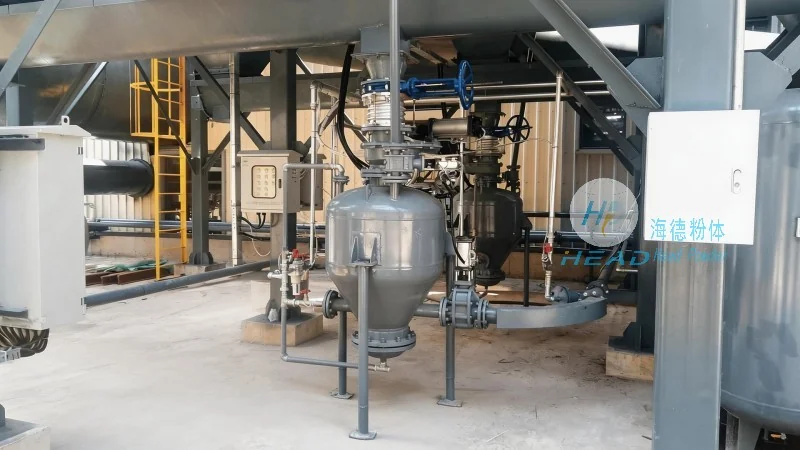
The structure of a pneumatic powder conveying system is engineered to meet the specific demands of milk powder handling. The feeding hopper is designed with a wide opening to accommodate bulk milk powder and features a discharge valve that controls the flow rate. This component ensures a consistent supply of material to the conveying line. The conveying line, typically made of stainless steel or other food-grade materials, is designed to prevent contamination and maintain hygiene standards. It is equipped with bends and elbows that are carefully angled to minimize powder settling and ensure efficient flow. The control valve, often a rotary or slide valve, regulates the air pressure and flow rate, allowing operators to adjust the conveying speed according to the process requirements. The dust collector, equipped with filters and a fan, captures any airborne particles, ensuring a clean and safe working environment.
Working Principle of the System
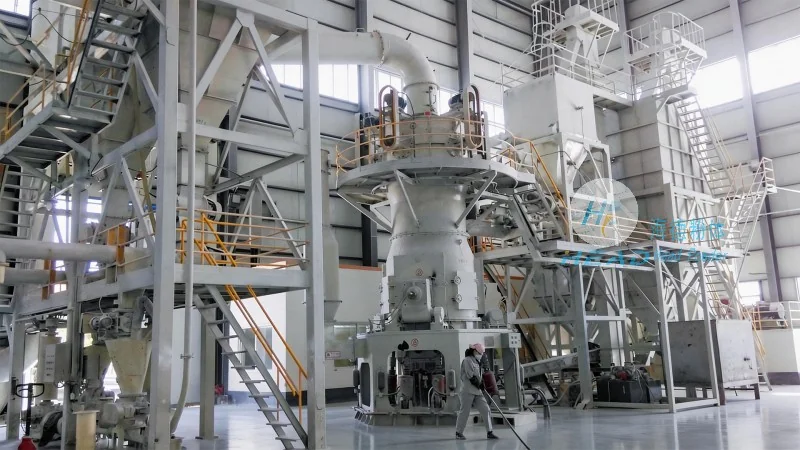
The operation of a pneumatic powder conveying system involves the creation of a pressure differential between the inlet and outlet of the conveying line. Air is supplied to the system, either by a positive displacement blower or a centrifugal fan, which generates the necessary pressure. The milk powder is introduced into the conveying line through the feeding hopper, and the air flow carries the powder particles along the pipeline. The system uses a combination of positive and negative pressure to move the material, ensuring efficient transportation even over long distances. The control valve adjusts the air pressure to maintain a stable flow rate, preventing overloading or underloading of the system. The dust collector captures any fine particles that may escape, ensuring that the environment remains clean and free from contamination.
Benefits and Applications in Milk Powder Processing
The use of pneumatic powder conveying systems in milk powder processing offers several benefits. These systems are highly effective in maintaining the quality and purity of the product, as they minimize contact with external contaminants. The hygienic design of the equipment, with smooth surfaces and easy-to-clean components, ensures compliance with food safety regulations. Additionally, the systems are flexible and can be adapted to various production scales, from small-scale operations to large industrial facilities. They are commonly used in the transportation of milk powder from storage silos to processing lines, from mixing tanks to packaging machines, and in the transfer of finished products to storage or shipping areas.
About Shandong HeadPowder Engineering Co., Ltd.
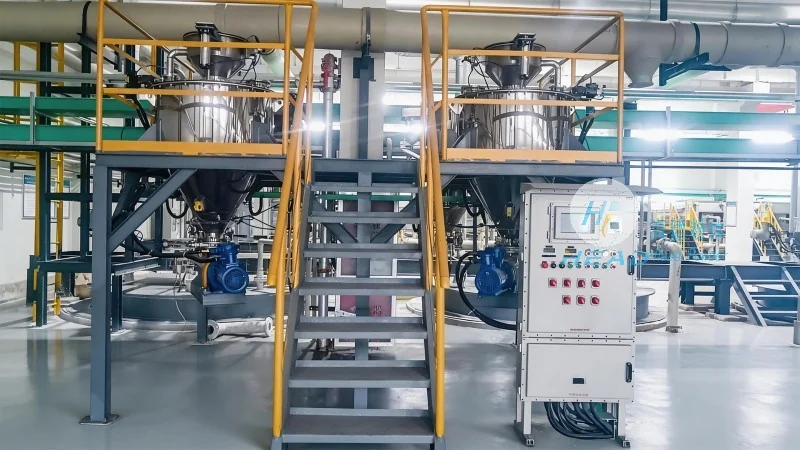
As a leading manufacturer of pneumatic conveying equipment, Shandong HeadPowder Engineering Co., Ltd. specializes in providing high-quality solutions for the dairy industry. With years of experience and a commitment to innovation, the company has developed advanced systems that meet the stringent requirements of modern milk powder processing. The company's products are designed with precision engineering, ensuring durability, efficiency, and reliability. HeadPowder's team of experts works closely with clients to understand their specific needs and provide customized solutions that enhance productivity and product quality. The company's headquarters is located in Shandong, China, where it operates a state-of-the-art manufacturing facility equipped with the latest technology and quality control measures.