

[Bauxite Positive Pressure and Negative Pressure Conveying: A Comparative Analysis of Two Pneumatic
When it comes to transporting bauxite, an essential raw material in the production of aluminum, the choice between positive pressure and negative pressure pneumatic conveying systems is a critical decision for industrial operations. This article provides a detailed comparison of these two methods, focusing on their applications, advantages, and limitations, with a particular emphasis on how they perform when handling bauxite. The analysis is presented by Shandong HeadPowder Engineering Co., Ltd., a leading provider of powder handling solutions, to help industry professionals make informed choices for their material transport needs.
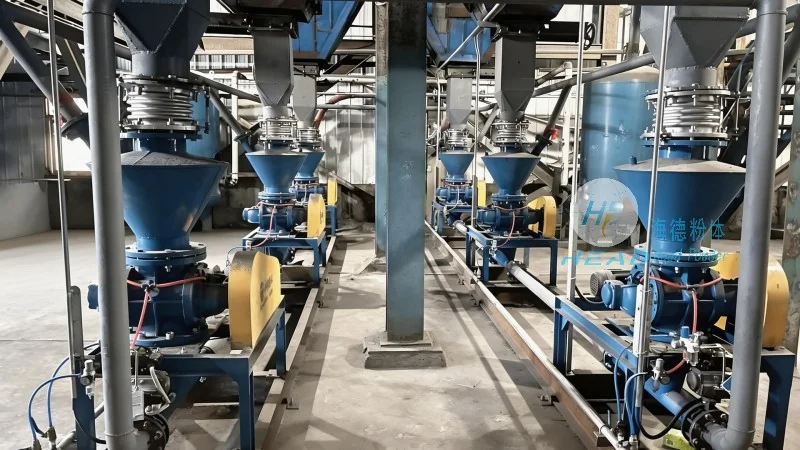
Introduction to Bauxite and Pneumatic Conveying
Bauxite is a sedimentary rock primarily composed of aluminum oxide minerals, making it a vital resource for the aluminum industry. Its handling requires specialized equipment due to its abrasive nature and varying particle sizes. Pneumatic conveying systems offer a non-contact method of transporting bulk materials like bauxite, which is often preferred over traditional mechanical conveying for its ability to handle fine powders and reduce material degradation.
Understanding Positive Pressure Conveying
Positive pressure conveying, also known as pressure pneumatic conveying, operates by blowing air or a gas mixture into the material stream, creating a pressure differential that propels the material through the pipeline. This method is commonly used for short to medium distance transport and is particularly effective for handling dry, free-flowing materials such as bauxite. The system typically includes a blower or compressor at the inlet, a hopper for material storage, and a pipeline network that transports the material to the destination.
Key advantages of positive pressure systems include their ability to handle high material loads, maintain consistent flow rates, and operate efficiently over longer distances compared to some negative pressure systems. They are also less susceptible to blockages caused by moisture or dust accumulation, which can be common in bauxite handling environments. However, positive pressure systems require more robust equipment and higher energy consumption due to the need to maintain elevated pressure within the pipeline.
Understanding Negative Pressure Conveying
Negative pressure conveying, or vacuum pneumatic conveying, works by creating a vacuum at the inlet of the system, which draws the material and air mixture into the pipeline. This method is often used for longer distances and for materials that are more difficult to move, such as those with higher moisture content or cohesive properties. The system typically features a vacuum pump at the outlet, a hopper for material collection, and a pipeline that transports the material from the source to the destination.
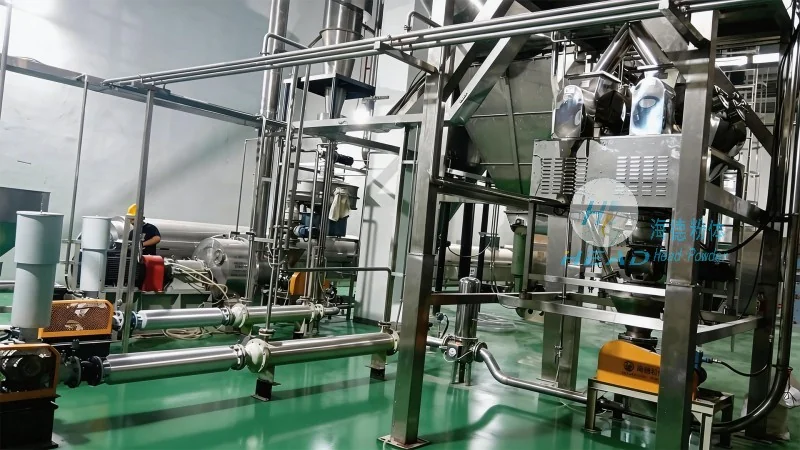
One of the primary benefits of negative pressure systems is their lower energy consumption compared to positive pressure systems, as they rely on the vacuum created by the pump rather than a high-pressure blower. They are also better suited for handling materials that are prone to dust emissions or require a cleaner transport environment, as the vacuum helps to contain particles within the system. However, negative pressure systems are more susceptible to blockages and are generally limited to shorter distances due to the pressure drop in the pipeline.
Comparative Analysis: Positive vs. Negative Pressure Conveying for Bauxite
When comparing positive and negative pressure conveying for bauxite, several factors must be considered, including material characteristics, distance, energy efficiency, and operational costs. Bauxite, being a dry and abrasive material, often performs well in both systems, but the choice depends on the specific application requirements.
For short to medium distance transport of bauxite, positive pressure systems are generally more suitable. They can handle higher material throughput and maintain consistent flow rates, which is crucial for continuous production processes. The robust design of positive pressure systems also makes them more resistant to the abrasive nature of bauxite, reducing equipment wear and maintenance costs over time.
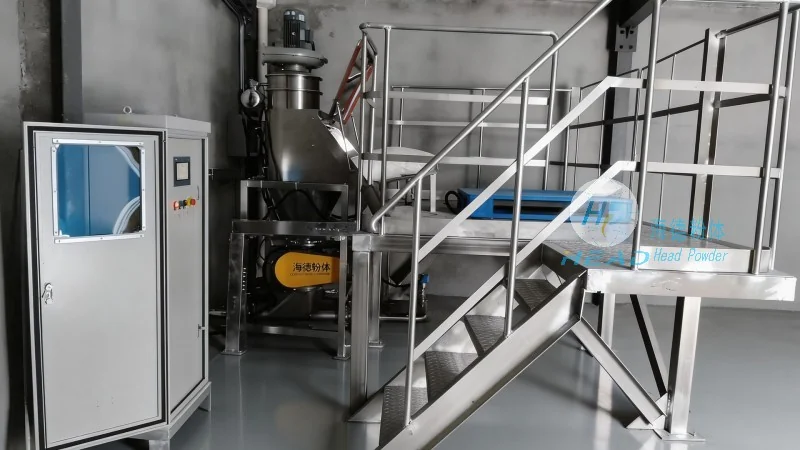
On the other hand, negative pressure systems may be preferred for longer transport distances or when handling bauxite with higher moisture content. The lower energy consumption of negative pressure systems can lead to significant cost savings over the long term, especially for large-scale operations. Additionally, the vacuum environment helps to minimize dust emissions, which is an important consideration for environmental compliance and workplace safety.
Factors Influencing the Choice of Conveying System
The decision between positive and negative pressure conveying for bauxite is influenced by several key factors, including the distance between the source and destination, the material's physical properties, and the operational budget. The distance is a critical factor, as positive pressure systems are more efficient for longer distances due to their ability to maintain pressure, while negative pressure systems are limited by the pressure drop in the pipeline.
Material properties, such as particle size, moisture content, and cohesion, also play a significant role. Bauxite's fine particle size and potential for dust generation make it well-suited for both systems, but the choice may be influenced by the need to minimize dust emissions or control material degradation. For example, if the bauxite is highly abrasive, a positive pressure system with reinforced pipelines may be necessary to prevent wear and tear.
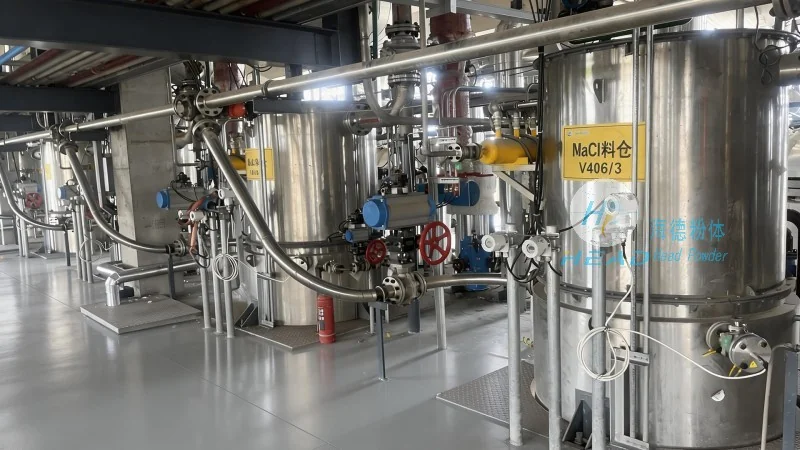
Operational costs, including energy consumption, equipment maintenance, and installation expenses, are also important considerations. Positive pressure systems typically have higher energy costs due to the need for high-pressure blowers, but they may have lower maintenance costs due to their robust design. Negative pressure systems, while more energy-efficient, may require more frequent maintenance of the vacuum pump and pipeline seals to prevent leaks.
Conclusion and Recommendations
Both positive and negative pressure pneumatic conveying systems offer viable solutions for transporting bauxite, with each method having its own set of advantages and limitations. The choice between the two depends on the specific needs of the industrial operation, including the distance to be covered, the material's properties, and the budget constraints.
For short to medium distance transport of dry, free-flowing bauxite, positive pressure systems are often the preferred choice due to their higher efficiency and ability to handle higher material loads. However, for longer distances or when minimizing energy consumption and dust emissions are priorities, negative pressure systems may be more suitable.
Shandong HeadPowder Engineering Co., Ltd. recommends conducting a thorough analysis of the specific application requirements before selecting a conveying system. By considering factors such as distance, material properties, and operational costs, industry professionals can choose the most effective and efficient method for transporting bauxite, ensuring smooth operations and cost savings in the long run.