

Positive Pressure and Negative Pressure Conveying of Edible Salt: A Comparative Analysis of Two Pneu
HeadPowder Engineering, a leading provider of industrial conveying solutions, specializes in optimizing material handling processes for various industries. This article provides a detailed comparison of positive pressure and negative pressure pneumatic conveying systems, focusing on their applications in the edible salt sector. The analysis highlights key operational differences, efficiency factors, and suitability for different production environments.
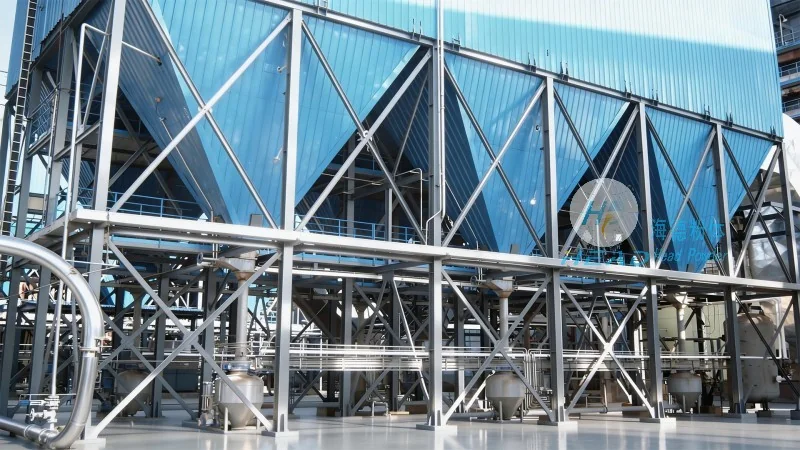
Understanding Pneumatic Conveying for Edible Salt
Pneumatic conveying is a widely used method for transporting bulk materials like edible salt due to its ability to move materials through pipelines using air pressure. Two primary methods dominate this field: positive pressure and negative pressure systems. Each approach offers distinct advantages and is selected based on specific operational requirements, material characteristics, and plant layout considerations.
Positive Pressure Conveying Systems
Positive pressure conveying operates by blowing air or a mixture of air and other gases into the conveying line, creating a pressure higher than the ambient air. This method is particularly effective for conveying edible salt over long distances or through complex piping networks. The system typically uses a positive displacement blower or a centrifugal fan to generate the necessary pressure, ensuring consistent material flow. A key advantage of positive pressure systems is their ability to handle abrasive materials without significant wear on the equipment, making them suitable for high-volume salt processing facilities. However, they may require more robust filtration and air treatment systems to maintain air quality and prevent contamination, which is critical in food processing applications.
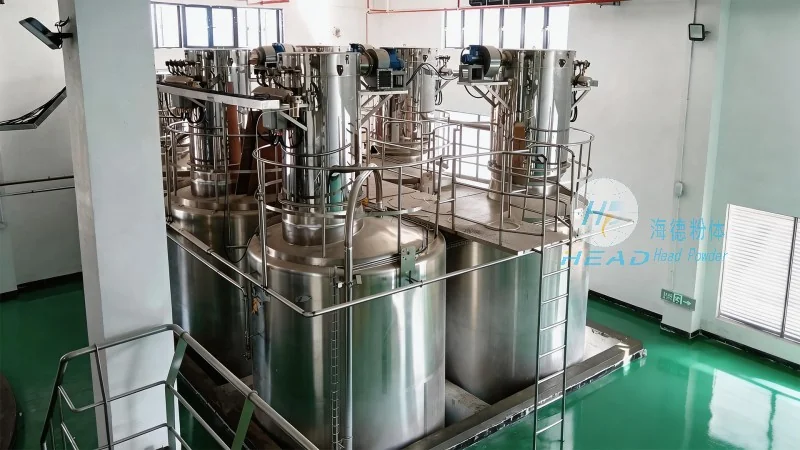
Negative Pressure Conveying Systems
Negative pressure conveying, also known as vacuum conveying, works by creating a vacuum in the conveying line, drawing material from the source into the system. This method is often preferred for conveying edible salt in applications where the material needs to be collected from multiple points or where the process requires gentle handling to avoid particle breakage. Negative pressure systems are generally more compact and can handle materials with higher moisture content or more delicate characteristics. They are also effective for short to medium-distance conveying and for handling materials that are prone to caking or bridging. The main drawback of negative pressure systems is their lower conveying capacity compared to positive pressure systems, which may limit their use in high-volume production lines.
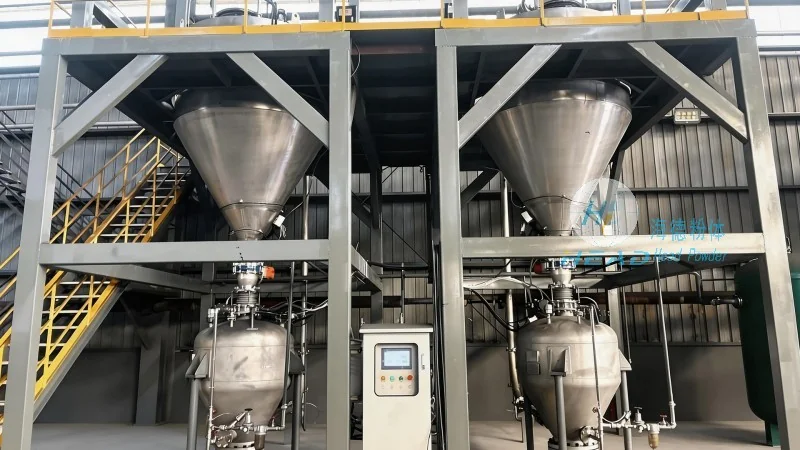
Comparative Analysis: Key Factors to Consider
When selecting between positive and negative pressure conveying for edible salt, several critical factors must be evaluated. The first consideration is the distance and layout of the conveying system. Positive pressure systems are generally more efficient for long-distance transport, while negative pressure systems are better suited for shorter distances or when the material source is spread out. Material characteristics, such as particle size, density, and flowability, also play a significant role. For example, fine or powdery salt may require a negative pressure system to prevent dust accumulation and ensure gentle handling. Operational efficiency and energy consumption are other key factors. Positive pressure systems typically consume more energy due to the higher pressure requirements, whereas negative pressure systems may have lower energy costs but higher maintenance needs for vacuum pumps. Additionally, the impact on product quality and contamination control must be assessed. Both systems must comply with food safety regulations, but negative pressure systems may offer better containment for fine particles, reducing the risk of airborne contamination.
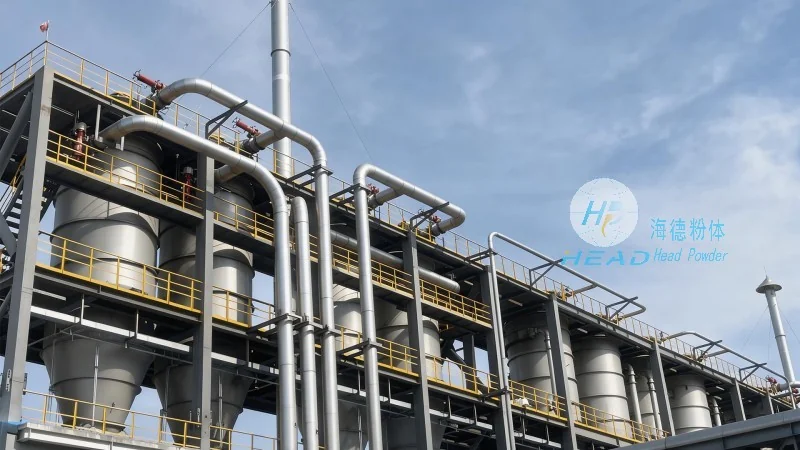
Application Examples in Edible Salt Processing
HeadPowder Engineering has implemented both positive and negative pressure conveying systems in edible salt processing facilities across China. For instance, a large salt production plant in Shandong Province utilizes a positive pressure system to transport raw salt from storage silos to the processing line over a distance of 500 meters. The system efficiently handles the high volume of salt while maintaining consistent flow rates, ensuring smooth production operations. In contrast, a smaller processing facility in the same region employs a negative pressure system to collect fine salt from multiple collection points and transport it to the packaging area. This setup allows for gentle handling of the delicate salt particles, minimizing breakage and maintaining product quality. Both applications demonstrate the effectiveness of each system in meeting specific operational needs while adhering to industry standards.
Conclusion and Recommendations
Choosing between positive pressure and negative pressure pneumatic conveying for edible salt depends on a careful evaluation of operational requirements, material characteristics, and production scale. Positive pressure systems offer higher capacity and efficiency for long-distance transport, making them ideal for large-scale production facilities. Negative pressure systems, while less efficient in terms of capacity, provide gentle handling and better containment for delicate materials, suitable for smaller or more complex processing environments. HeadPowder Engineering recommends conducting a thorough analysis of the specific application to determine the most suitable system, ensuring optimal performance, energy efficiency, and compliance with food safety regulations. By selecting the appropriate pneumatic conveying method, edible salt manufacturers can enhance their production processes, reduce operational costs, and maintain product quality.