

Comparative Analysis of Positive Pressure and Negative Pressure Conveying for Silage Materials
When it comes to transporting silage materials efficiently and effectively, selecting the right pneumatic conveying system is crucial. Two primary methods dominate the industry: positive pressure conveying and negative pressure conveying. Each approach offers distinct advantages and considerations, making it essential for agricultural and industrial operations to understand the differences and choose the most suitable option for their specific needs. This article provides a detailed comparison of positive pressure and negative pressure conveying for silage, highlighting key factors such as efficiency, cost, material handling, and operational requirements.
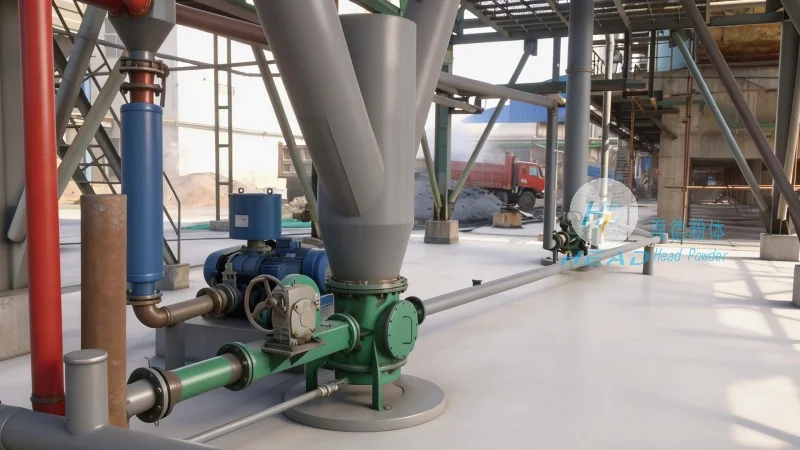
Introduction to Pneumatic Conveying Systems
Pneumatic conveying systems are widely used in the agricultural sector for moving silage, a fermented forage used as animal feed. These systems utilize air to transport bulk materials through a pipeline network. The two main types of pneumatic conveying are positive pressure and negative pressure systems, each operating on different principles and delivering unique benefits. Understanding these systems is vital for optimizing material handling processes and ensuring the quality of silage during transport.
Positive Pressure Conveying for Silage
Positive pressure conveying, also known as pressure or push system, operates by blowing air into the conveying line using a positive displacement blower or a centrifugal fan. The air pressure is higher than the ambient air pressure, which forces the silage material through the pipeline. This method is particularly effective for short to medium distance transport and for handling materials that are prone to clumping or require gentle handling. The positive pressure system ensures that the material is continuously pushed forward, reducing the risk of blockages and maintaining a consistent flow rate.
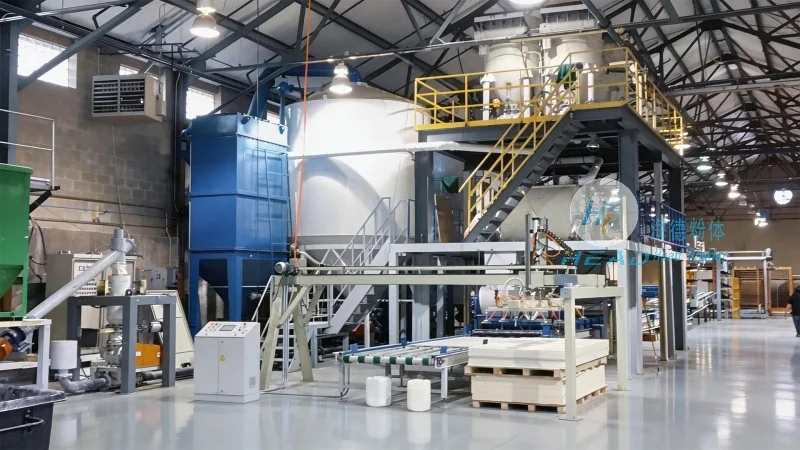
One of the key advantages of positive pressure conveying is its ability to handle a wide range of material densities and moisture contents. It is well-suited for transporting silage with high moisture levels, as the high air pressure helps to prevent material degradation and maintain the nutritional value of the feed. Additionally, positive pressure systems are generally more reliable for long-term operation, as they are less susceptible to external air pressure fluctuations. The equipment used in positive pressure conveying, such as the blower and pipeline, is robust and designed to withstand continuous use, making it a preferred choice for large-scale agricultural operations.
However, positive pressure conveying also has some limitations. The high air pressure required can lead to increased energy consumption, making it less cost-effective for long-distance transport. The system may also be more prone to wear and tear on the pipeline and equipment due to the constant pressure and friction. Furthermore, the positive pressure system may not be ideal for handling very fine or powdery silage materials, as the high air velocity can cause segregation and loss of material.
Negative Pressure Conveying for Silage
Negative pressure conveying, or vacuum system, operates by creating a vacuum in the conveying line using a vacuum pump. The air pressure inside the line is lower than the ambient air pressure, which draws the silage material into the pipeline. This method is commonly used for long-distance transport and for handling materials that are light and easily suspended in air. The negative pressure system allows for the collection of material from multiple points and the transport to a single destination, making it suitable for large-scale operations with multiple silage storage locations.
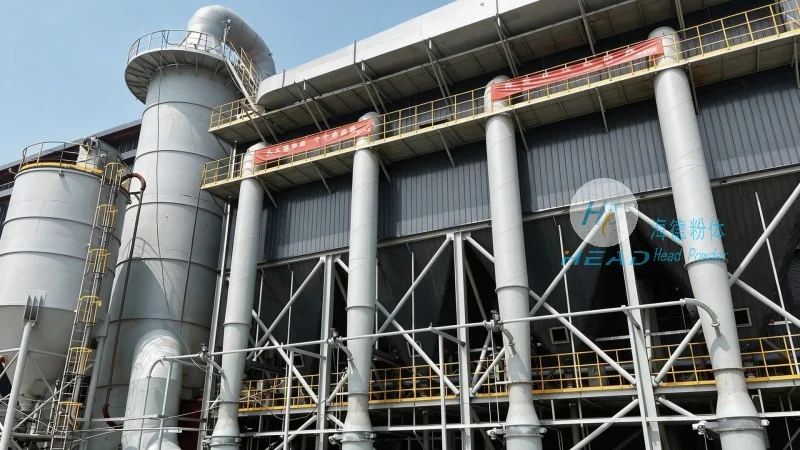
A significant advantage of negative pressure conveying is its lower energy consumption compared to positive pressure systems, especially for long distances. The vacuum pump operates at a lower pressure, reducing the overall energy costs. Additionally, the system is less likely to cause material degradation, as the air velocity is generally lower and the material is not subjected to high pressure. This makes negative pressure conveying an excellent choice for transporting silage that requires minimal handling and preservation of its nutritional content.
However, negative pressure conveying has its own set of challenges. The vacuum system is more susceptible to external air pressure changes, which can affect the flow rate and efficiency of the transport. The pipeline and equipment may also be more prone to clogging due to the lower air velocity, especially when handling wet or clumpy silage. Furthermore, the vacuum pump requires regular maintenance to ensure optimal performance, and the system may be less reliable for short-distance transport due to the potential for air leaks and pressure loss.
Key Factors in Choosing Between Positive and Negative Pressure Conveying
When deciding between positive and negative pressure conveying for silage, several factors must be considered. The first and most important factor is the distance of the transport. Positive pressure systems are generally more suitable for short to medium distances, typically up to a few hundred meters, while negative pressure systems are better for long distances, often exceeding one kilometer. The material characteristics, such as moisture content, density, and particle size, also play a crucial role. Positive pressure is ideal for high-moisture silage and materials that are prone to clumping, while negative pressure is better for dry or fine materials.
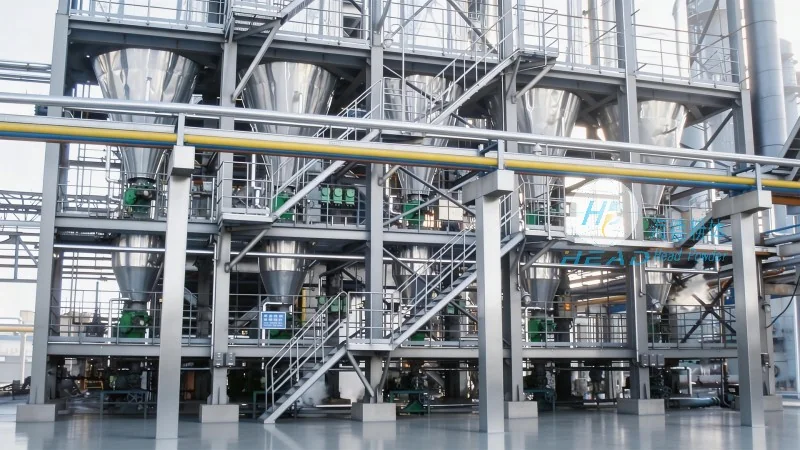
Cost is another critical factor. Positive pressure systems may have higher initial and operational costs due to the need for high-pressure blowers and robust equipment. Negative pressure systems, on the other hand, may have lower initial costs but require more maintenance for the vacuum pump and pipeline. The scale of the operation is also important. Large-scale farms with multiple silage storage locations may benefit from negative pressure systems due to their ability to collect material from various points. Smaller operations, however, may find positive pressure systems more practical and cost-effective.
Operational requirements and maintenance considerations also influence the choice. Positive pressure systems are generally easier to maintain and repair, as the equipment is less complex and more accessible. Negative pressure systems, while offering lower energy consumption, may require more frequent maintenance to ensure the vacuum pump and pipeline remain free of blockages. The environmental impact is another consideration. Positive pressure systems may generate more noise and air pollution due to the high-pressure blowers, while negative pressure systems are generally quieter and produce less air pollution.