

Positive Pressure and Negative Pressure Conveying of Masterbatch Pellets: A Comparative Analysis of
When it comes to transporting masterbatch pellets, especially in industrial applications, the choice between positive pressure and negative pressure pneumatic conveying systems is a critical decision. Both methods leverage air to move material, but they operate on fundamentally different principles, each with its own set of advantages and limitations. This analysis aims to provide a comprehensive comparison of these two approaches, focusing on their applications, performance characteristics, and suitability for masterbatch handling.
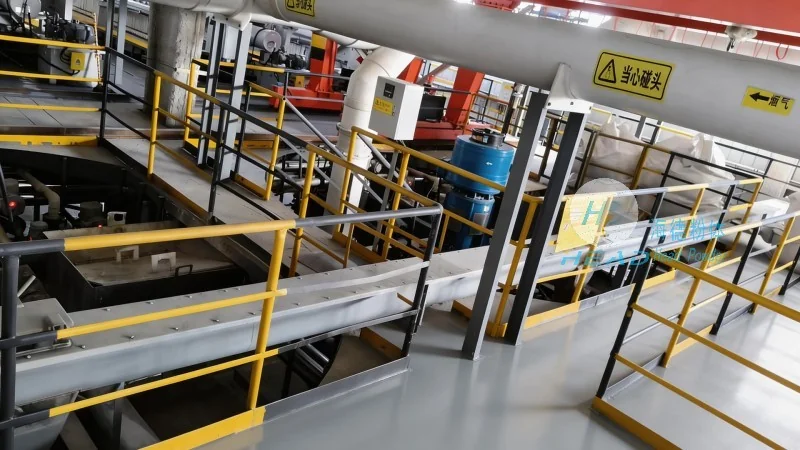
Understanding Pneumatic Conveying Systems
Pneumatic conveying is a technology that uses pressurized or vacuum air to transport bulk materials like masterbatch pellets through a pipeline. The system typically consists of a hopper, a conveyor line, and a receiver. The primary goal is to move material efficiently from one location to another without the need for mechanical components like belts or buckets. For masterbatch pellets, which are often used in plastic and rubber processing, the material's properties—such as particle size, density, and moisture content—play a significant role in determining the most effective conveying method.
Positive Pressure Conveying: Advantages and Applications
Positive pressure conveying, also known as pressure pneumatic conveying, operates by blowing air into the material to create a positive pressure within the system. This method is particularly effective for transporting materials over longer distances or through complex piping networks. In the context of masterbatch pellets, positive pressure systems are often preferred for their ability to handle a wide range of particle sizes and densities. The high pressure ensures that the material is consistently moved through the pipeline, reducing the risk of blockages or material degradation. Additionally, positive pressure systems can be designed to handle abrasive or corrosive materials, making them suitable for masterbatch formulations that may contain such components.
Negative Pressure Conveying: Advantages and Applications
Negative pressure conveying, or vacuum pneumatic conveying, works by creating a vacuum in the system to draw material from the source into the pipeline. This method is generally more suitable for shorter distances and simpler layouts, as the vacuum pressure is limited by the system's ability to maintain a consistent flow. For masterbatch pellets, negative pressure systems are often used in applications where the material is sourced from a hopper or silo and needs to be moved to a processing unit nearby. The vacuum approach is less likely to cause material degradation due to the lower air velocity compared to positive pressure systems, which can be beneficial for delicate masterbatch formulations.
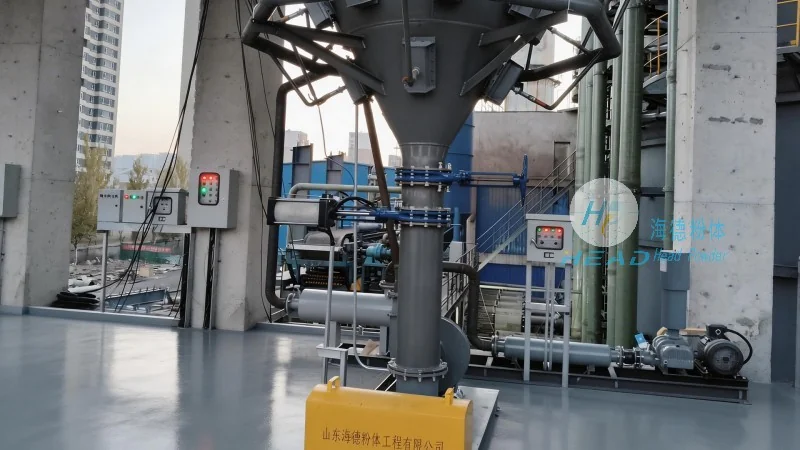
Key Performance Factors: Efficiency and Material Handling
Both positive and negative pressure conveying systems have distinct performance characteristics that influence their suitability for masterbatch pellet transport. Efficiency, measured by the system's ability to move material with minimal energy consumption, is a critical factor. Positive pressure systems typically offer higher efficiency for longer distances due to the consistent pressure maintained throughout the pipeline. However, they may require more energy to generate the necessary pressure, especially for large volumes of material. Negative pressure systems, while less energy-intensive for short distances, may experience lower efficiency due to the limitations of vacuum pressure and potential air leakage.
Material handling, including the risk of degradation or contamination, is another key consideration. Positive pressure systems, with their higher air velocities, can increase the risk of material attrition or degradation, particularly for masterbatch pellets with fine particles or sensitive additives. In contrast, negative pressure systems operate at lower velocities, reducing the risk of such issues. However, negative pressure systems are more susceptible to air leakage, which can affect the material's quality and the system's overall efficiency.
System Design and Maintenance Considerations
The design of a pneumatic conveying system for masterbatch pellets must account for the specific requirements of the application. For positive pressure systems, the choice of blower, pipeline diameter, and air velocity is crucial. Proper design ensures that the system can handle the material's characteristics without causing excessive wear or degradation. Regular maintenance, including cleaning of filters and checking for air leaks, is essential to maintain system efficiency and material quality. For negative pressure systems, the vacuum pump and receiver design are critical. The receiver must be properly sealed to prevent air ingress, which could compromise the material's integrity.
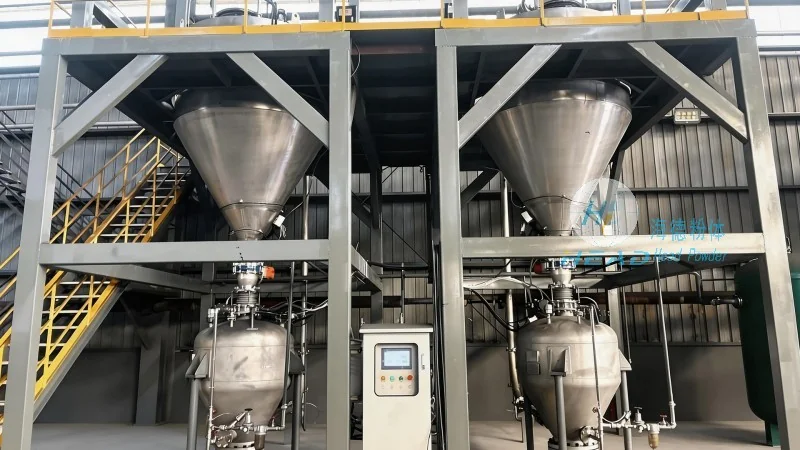
Case Study: Application in Plastic Manufacturing
Consider a plastic manufacturing plant that uses masterbatch pellets to color and reinforce plastic products. The plant needs to transport these pellets from a storage silo to the extrusion line, which is located several hundred meters away. In this scenario, a positive pressure conveying system would be more appropriate due to the longer distance and the need to handle potentially abrasive masterbatch formulations. The system would be designed with a high-pressure blower, appropriate pipeline diameter, and a receiver at the extrusion line. Regular maintenance, including filter cleaning and inspection of the pipeline for blockages, would be performed to ensure consistent material flow and product quality.
Conclusion: Choosing the Right Conveying Method
In conclusion, the choice between positive pressure and negative pressure pneumatic conveying for masterbatch pellets depends on several factors, including the distance to be covered, the material's properties, and the overall system requirements. Positive pressure systems offer higher efficiency for longer distances and can handle a wider range of materials, but they require more energy and may pose a higher risk of material degradation. Negative pressure systems are more suitable for shorter distances and delicate materials, offering lower energy consumption and reduced risk of degradation, but with limitations in distance and complexity.
For industrial applications, it is essential to evaluate these factors carefully and select the most appropriate pneumatic conveying method. By doing so, manufacturers can ensure efficient and reliable transport of masterbatch pellets, leading to improved production processes and product quality. As a leading provider of engineering solutions, Shandong HeadPowder Engineering Co., Ltd. specializes in designing and implementing customized pneumatic conveying systems tailored to the specific needs of masterbatch handling. With years of experience in the industry, the company offers expert guidance and high-quality equipment to meet the diverse requirements of plastic and rubber processing applications.