

Positive Pressure and Negative Pressure Conveying of Beer Brewery Sludge: A Comparative Analysis of
For breweries and beer production facilities, the efficient and reliable handling of byproducts like beer brewery sludge is a critical operational challenge. Among the various methods available, pneumatic conveying stands out as a versatile solution, offering both positive pressure and negative pressure systems. This article provides a detailed comparison of these two approaches, highlighting their applications, advantages, and considerations for the effective management of beer brewery sludge.
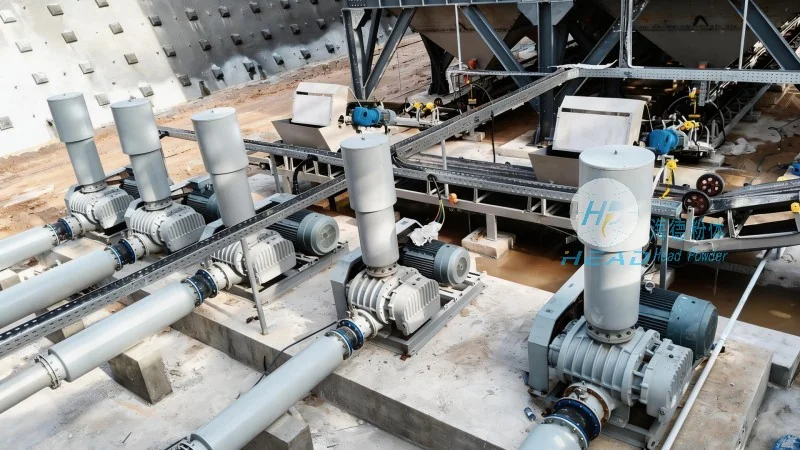
Understanding Pneumatic Conveying Systems
Pneumatic conveying uses air or gas to transport bulk materials through a pipeline. The two primary types are positive pressure and negative pressure systems, each with distinct operational principles and suitability for different material characteristics and process requirements.
Positive Pressure Conveying: Advantages and Applications
Positive pressure conveying, also known as pressure pneumatic conveying, operates by blowing air or gas into the material to create a flow. This method is particularly effective for handling fine powders and granular materials, including beer brewery sludge, which often has a high moisture content and can be abrasive. The primary advantages of positive pressure systems include the ability to transport materials over long distances, handle high material loads, and maintain a consistent flow rate. Additionally, positive pressure systems are generally more suitable for applications requiring high pressure and can be integrated with existing infrastructure in breweries.
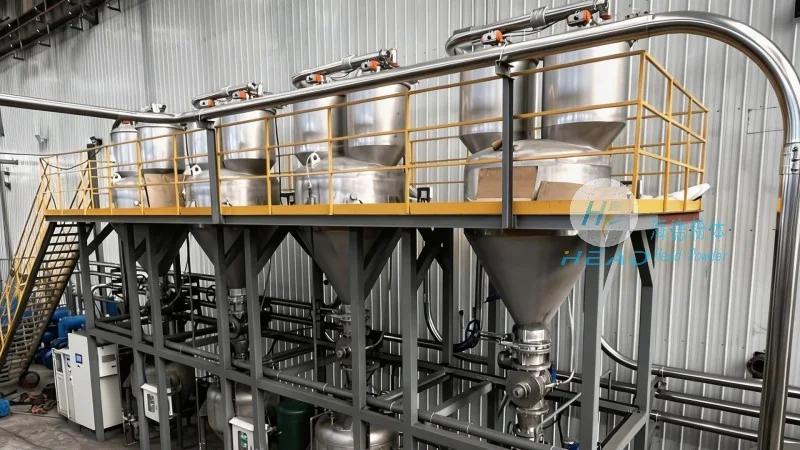
Negative Pressure Conveying: Advantages and Applications
Negative pressure conveying, or vacuum pneumatic conveying, works by creating a vacuum in the pipeline to draw material into the system. This method is ideal for applications where the material is sensitive to pressure changes or where the conveying distance is shorter. Negative pressure systems are often preferred for handling materials that are prone to dust generation or require a more controlled environment. For beer brewery sludge, negative pressure can be advantageous in maintaining a cleaner working environment and reducing the risk of material contamination.
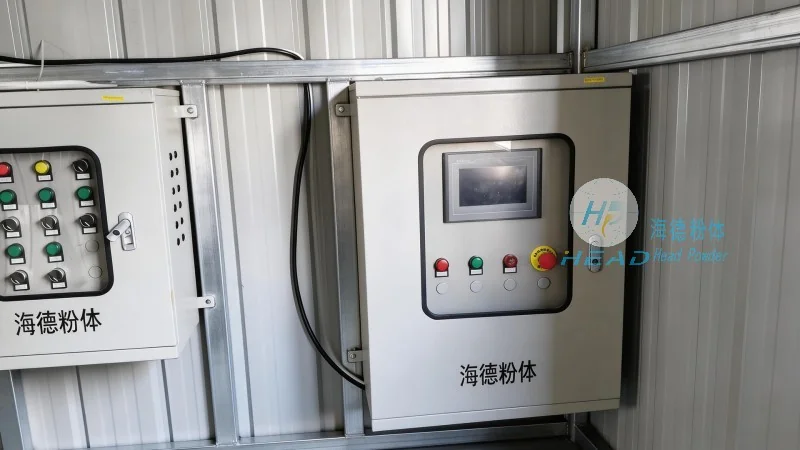
Key Considerations for Choosing Between Positive and Negative Pressure Conveying
The choice between positive and negative pressure conveying depends on several factors, including the physical properties of the sludge, the distance to be conveyed, the required flow rate, and the overall system cost. Positive pressure systems are typically more suitable for long-distance transport and high-volume applications, while negative pressure systems are better for shorter distances and applications requiring a cleaner environment. Additionally, the cost of equipment, maintenance, and energy consumption must be considered. For example, positive pressure systems may require more robust pumps and higher air pressure, leading to higher operational costs, whereas negative pressure systems may need more powerful vacuum pumps and careful management of air leakage.
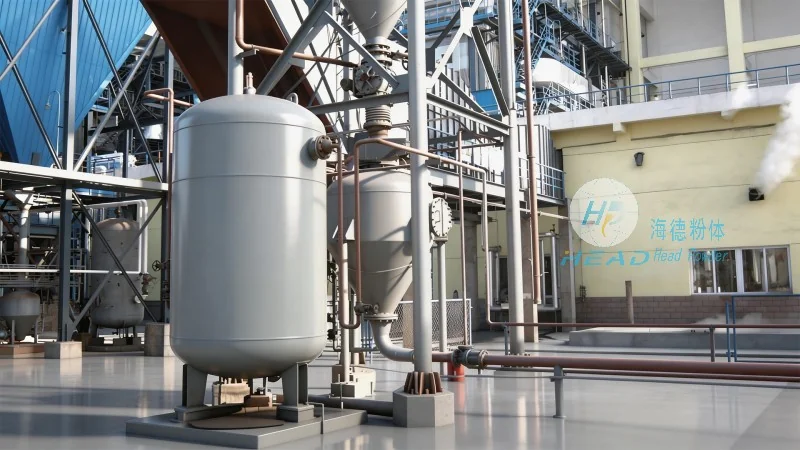
Case Study: Application in Beer Brewery Operations
Shandong HeadPowder Engineering Co., Ltd., a leading provider of pneumatic conveying solutions, has extensive experience in implementing both positive and negative pressure systems for beer brewery sludge management. The company’s expertise lies in customizing systems to meet the specific needs of breweries, ensuring efficient and reliable operation. For instance, a major brewery in China utilized a positive pressure system to transport sludge over a distance of 500 meters, achieving a consistent flow rate of 10 tons per hour. The system was designed to handle the high moisture content and abrasive nature of the sludge, with minimal maintenance requirements. In another case, a smaller brewery opted for a negative pressure system to convey sludge over a shorter distance of 100 meters, focusing on maintaining a clean and dust-free environment. The system was integrated with the brewery’s existing infrastructure, reducing installation costs and ensuring seamless operation.
Conclusion: Selecting the Right Pneumatic Conveying Method
Both positive and negative pressure pneumatic conveying systems offer effective solutions for handling beer brewery sludge, with each method having its own set of advantages and considerations. The key to selecting the optimal system lies in a thorough analysis of the material properties, operational requirements, and cost factors. By understanding the differences between these two approaches, breweries can make informed decisions that enhance operational efficiency, reduce costs, and ensure compliance with environmental regulations. Shandong HeadPowder Engineering Co., Ltd. remains committed to providing tailored pneumatic conveying solutions that meet the unique needs of beer production facilities, helping them achieve sustainable and efficient sludge management.