

Inorganic Salt Crystal Positive Pressure Conveying vs. Negative Pressure Conveying: A Comparative An
HeadPowder, a leading provider of specialized engineering solutions, specializes in the design and implementation of advanced pneumatic conveying systems for handling inorganic salt crystals. This article provides a detailed comparison between positive pressure and negative pressure conveying methods, focusing on their applications, operational principles, and key advantages in the processing of inorganic salt crystals.
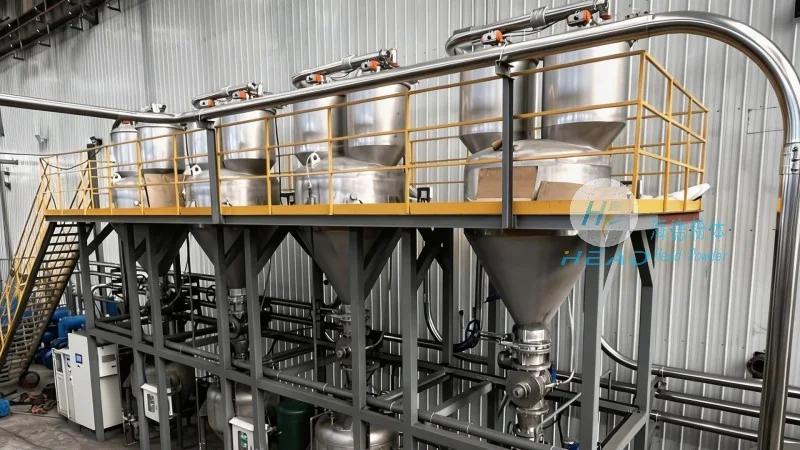
Introduction to Pneumatic Conveying Systems for Inorganic Salt Crystals
Pneumatic conveying is a widely used technique for transporting bulk materials, including inorganic salt crystals, through a pipeline using air or gas as the conveying medium. The choice between positive pressure and negative pressure systems depends on several factors, such as material properties, system layout, and operational requirements. Both methods offer distinct benefits and challenges, making it essential for industry professionals to understand their differences to select the most suitable solution for their specific needs.
Positive Pressure Conveying: Advantages and Applications
Positive pressure conveying, also known as pressure pneumatic conveying, operates by blowing air or gas into the conveying line, creating a pressure higher than the ambient air pressure. This method is particularly effective for transporting inorganic salt crystals over long distances or through complex system layouts. One of the primary advantages of positive pressure systems is their ability to handle abrasive or corrosive materials without causing excessive wear on the system components. Additionally, positive pressure conveying can maintain a consistent flow rate, ensuring reliable material transfer even under varying load conditions.
HeadPowder's expertise in positive pressure conveying systems includes the design of high-efficiency blowers and airlocks that minimize material degradation and maximize system efficiency. The company's engineers work closely with clients to tailor system designs to specific material characteristics, such as crystal size, density, and moisture content, ensuring optimal performance and longevity.
Negative Pressure Conveying: Operational Principles and Benefits
Negative pressure conveying, or vacuum pneumatic conveying, operates by creating a vacuum in the conveying line, drawing material from the source into the system. This method is often preferred for applications requiring material transfer from multiple points or for handling materials that are sensitive to pressure changes. Negative pressure systems are particularly effective for short to medium distance conveying and for processes where dust containment is critical.
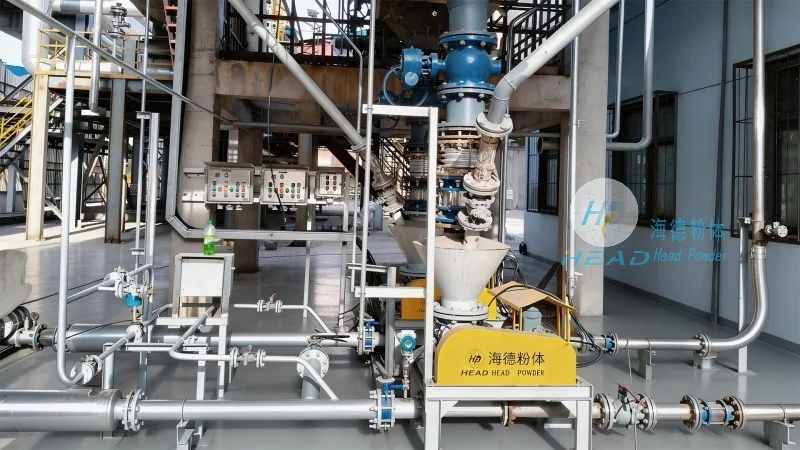
Key benefits of negative pressure conveying include reduced energy consumption compared to positive pressure systems, as the vacuum is generated by a smaller motor. Additionally, negative pressure systems are less likely to cause material degradation due to lower air velocities and reduced particle impact. HeadPowder's negative pressure solutions incorporate advanced filtration systems to ensure compliance with environmental regulations and to maintain air quality in processing facilities.
Comparative Analysis: Key Factors to Consider
When selecting between positive and negative pressure conveying for inorganic salt crystals, several factors must be evaluated. The first consideration is the system layout and distance requirements. Positive pressure systems are generally more suitable for long-distance conveying, while negative pressure systems excel in shorter, more complex layouts. Material properties, such as particle size and moisture content, also play a crucial role. For example, fine or cohesive inorganic salt crystals may require higher air velocities in positive pressure systems to prevent blockages, whereas negative pressure systems may be more effective for handling larger, less abrasive particles.
Operational costs and energy efficiency are another critical factor. Positive pressure systems typically consume more energy due to the higher air pressure required, whereas negative pressure systems are more energy-efficient, especially for short-distance applications. Maintenance considerations also differ between the two methods. Positive pressure systems may require more frequent maintenance of blowers and airlocks due to higher wear from abrasive materials, while negative pressure systems may need more attention to filtration systems to prevent clogging.
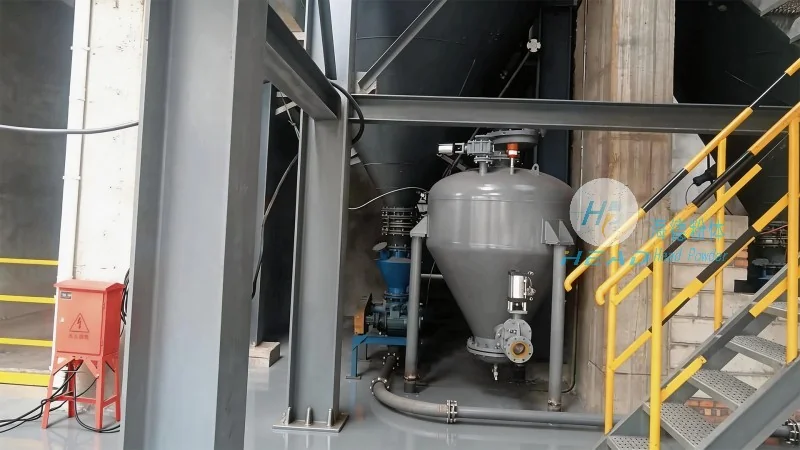
HeadPowder's Expertise in Pneumatic Conveying Solutions
Shandong HeadPowder Engineering Co., Ltd., based in China, is a trusted partner for industries seeking reliable pneumatic conveying solutions for inorganic salt crystals. The company combines decades of experience with cutting-edge technology to deliver customized systems that meet the unique demands of each client. HeadPowder's team of engineers conducts thorough assessments of material characteristics, process requirements, and operational constraints to design systems that optimize performance, reduce downtime, and minimize operational costs.
The company's commitment to quality is reflected in its use of high-grade materials and rigorous testing protocols. All conveying systems are manufactured to meet international standards and are backed by comprehensive after-sales support, including maintenance services and technical assistance. HeadPowder's solutions are tailored to various industries, including chemical processing, food processing, and pharmaceuticals, ensuring that clients receive the most suitable technology for their specific applications.
Conclusion: Choosing the Right Conveying Method
Both positive pressure and negative pressure conveying methods offer viable solutions for transporting inorganic salt crystals, each with its own set of advantages and limitations. The choice between the two depends on a combination of factors, including system layout, material properties, operational costs, and maintenance requirements. By understanding the operational principles and benefits of each method, industry professionals can make informed decisions that enhance efficiency and productivity in their processing operations.
HeadPowder remains at the forefront of pneumatic conveying technology, providing innovative solutions that address the evolving needs of the inorganic salt crystal industry. With a focus on quality, reliability, and customer satisfaction, the company continues to deliver systems that meet the highest standards of performance and safety.