

Types and Practical Applications of Pneumatic Conveying Systems in Synthetic Fiber Handling
Pneumatic conveying systems represent a vital technology in the handling and transportation of synthetic fibers. These systems leverage air to transport materials, offering significant advantages such as effective dust control, reduced labor requirements, and the capability to move materials over extended distances. For enterprises operating in the synthetic fiber industry, the selection of an appropriate pneumatic conveying system is crucial for maintaining operational efficiency and ensuring safety throughout production processes.
Types of Pneumatic Conveying Systems
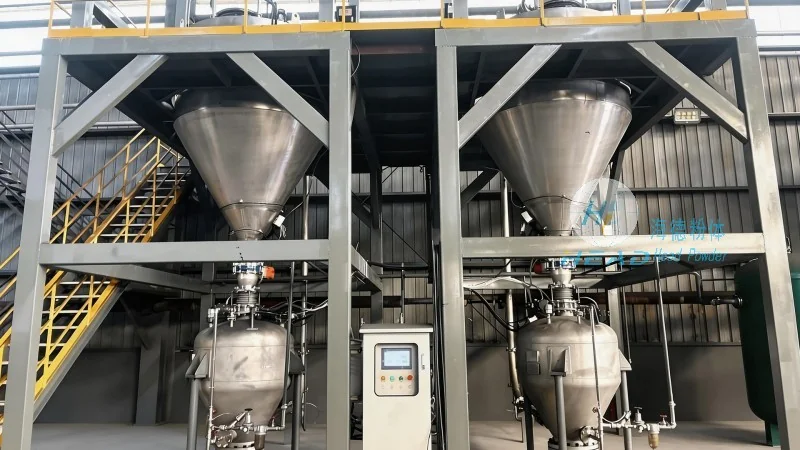
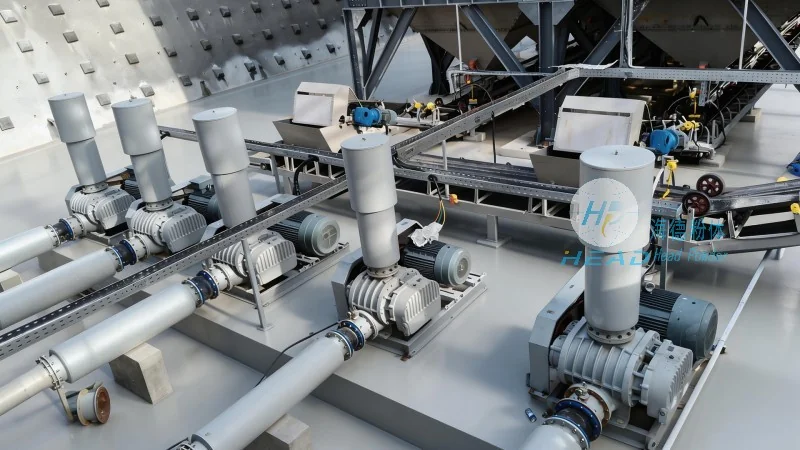
Several types of pneumatic conveying systems are commonly employed in synthetic fiber handling, each with unique characteristics and applications. The main categories include pressure systems, vacuum systems, and combined systems. Pressure systems operate by forcing air and material through a pipeline under positive pressure, typically utilizing a positive displacement blower or a rotary lobe blower. This method is well-suited for long-distance transport and can effectively handle abrasive materials. Vacuum systems, conversely, utilize a vacuum pump to draw material into the system, making them ideal for short-distance or point-to-point transport. Combined systems integrate both pressure and vacuum capabilities, providing flexibility for various operational needs. The choice of system type depends on factors such as material properties, the required transport distance, and the overall complexity of the system.
Practical Applications in Synthetic Fiber Handling
The practical applications of pneumatic conveying systems in synthetic fiber handling are diverse and impactful. A common use is in the transportation of raw synthetic fibers from storage silos to processing lines. This process demands efficient and reliable movement of fibers to sustain production continuity. Pneumatic systems excel in this scenario by minimizing material degradation and ensuring consistent flow rates. Additionally, these systems are utilized in the handling of finished products, such as fiber bundles or yarns, from production lines to packaging areas. The versatility of pneumatic conveying, which can handle both bulk and packaged materials, makes it suitable for different stages of the manufacturing process. Another application involves the cleaning and maintenance of fiber processing equipment, where pneumatic systems can be employed to remove debris and dust from machinery, ensuring optimal performance and extending equipment longevity. In each of these applications, the efficiency and reliability of the pneumatic system directly contribute to the overall productivity and quality of synthetic fiber production.
Key Considerations for Implementing Pneumatic Conveying Systems
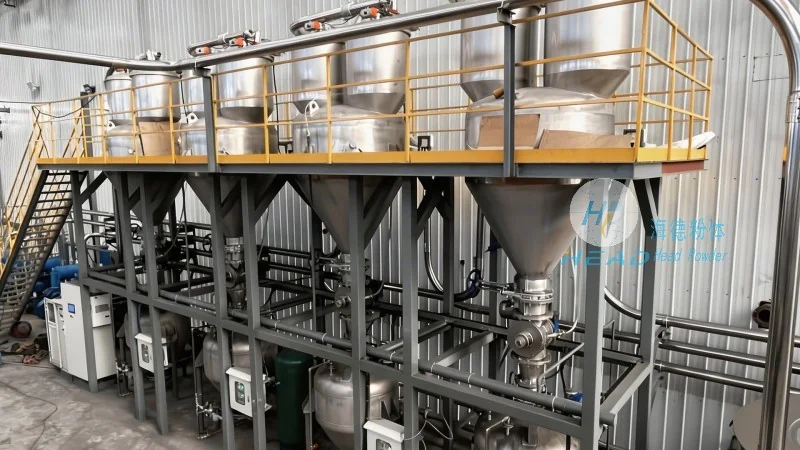
When implementing a pneumatic conveying system for synthetic fiber handling, several key considerations must be addressed to ensure optimal performance. Material properties are a primary factor, as different synthetic fibers exhibit varying characteristics like particle size, moisture content, and abrasiveness. These properties influence the selection of system components, including the type of blower and pipeline design. System design and layout are also critical, as the configuration must align with the specific requirements of the production facility, such as distance, elevation changes, and material flow rates. Maintenance and operational costs are additional considerations, as pneumatic systems require regular upkeep to maintain longevity and efficiency. Companies should also evaluate the integration of the system with existing equipment and processes to minimize disruptions during implementation. By addressing these factors, businesses can select and implement a pneumatic conveying system that meets their specific needs and enhances overall operational efficiency.