

Types and Practical Applications of Pneumatic Conveying Systems for Light Calcium Delivery
When it comes to the efficient and reliable delivery of light calcium, pneumatic conveying systems have emerged as a critical technology in industrial operations. These systems utilize air or gas to transport bulk materials like light calcium, offering advantages such as reduced equipment wear, improved safety, and enhanced process control. Understanding the different types of pneumatic conveying systems and their practical applications is essential for optimizing material handling in various industrial settings.
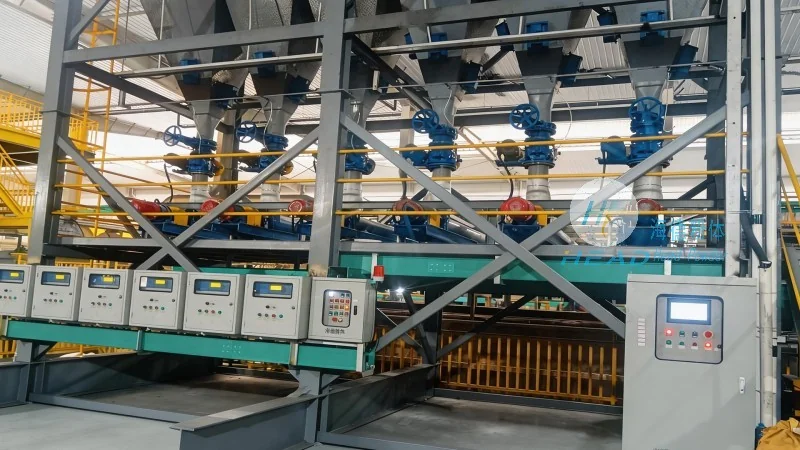
Overview of Pneumatic Conveying Systems for Light Calcium
Pneumatic conveying systems are designed to move light calcium, a fine powder commonly used in construction, manufacturing, and other industries, from one location to another. The primary goal is to achieve efficient, low-cost, and safe material transport. These systems are particularly suitable for light calcium due to its low density and tendency to create dust, which traditional mechanical systems might struggle to handle effectively.
Types of Pneumatic Conveying Systems
There are primarily two main categories of pneumatic conveying systems: positive pressure and negative pressure systems. Each type has distinct characteristics and is suited to different operational requirements.
Positive Pressure Pneumatic Conveying Systems
Positive pressure systems operate by blowing air or gas into the conveying line, creating a pressure higher than the ambient air pressure. This method is often preferred for applications requiring high material flow rates and long-distance transport. The system typically includes a blower or compressor at the inlet, which forces air through the pipeline, carrying the light calcium particles along. This type of system is known for its high efficiency and ability to handle abrasive materials, making it ideal for heavy-duty light calcium handling.
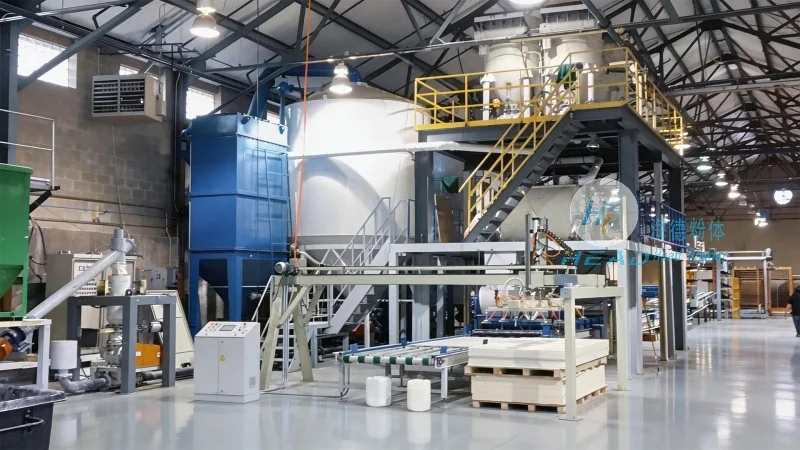
Negative Pressure Pneumatic Conveying Systems
Negative pressure systems, also known as vacuum systems, work by creating a vacuum in the conveying line. Air is drawn through the system, pulling the light calcium particles along with it. This approach is commonly used for shorter distances and applications where dust control is a priority, as the system can be enclosed to minimize emissions. Negative pressure systems are generally quieter and more suitable for indoor or enclosed environments, though they may have lower material flow rates compared to positive pressure systems.
Hybrid Pneumatic Conveying Systems
Hybrid systems combine elements of both positive and negative pressure methods. They often use a combination of blowers and vacuum pumps to achieve optimal performance. For instance, a hybrid system might employ a positive pressure blower to move material over a short distance and then switch to a vacuum system to handle the final delivery into a storage or processing unit. This flexibility allows for more complex material handling scenarios, such as multi-stage transport or integration with other industrial processes.
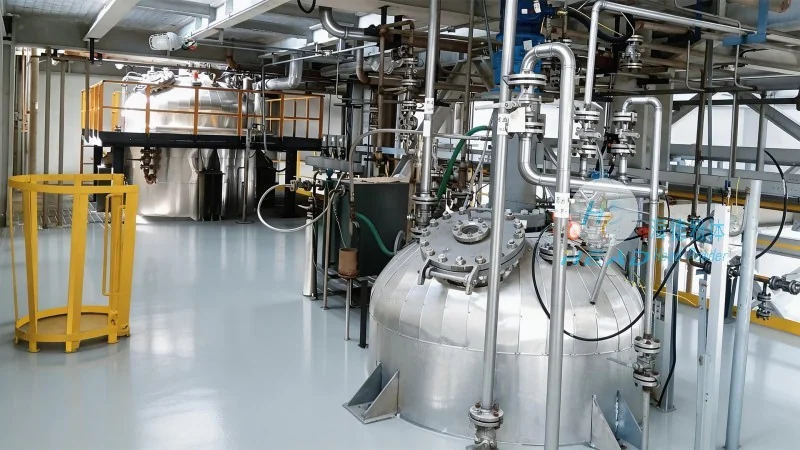
Practical Applications of Pneumatic Conveying Systems in Light Calcium Handling
The practical application of pneumatic conveying systems for light calcium varies widely depending on the specific industrial needs. In construction, light calcium is often used as a filler in concrete and plaster, and pneumatic systems are used to transport it from storage silos to mixing plants. In manufacturing, these systems are crucial for feeding light calcium into production lines for the production of coatings, adhesives, or other composite materials. The ability to handle fine powders without clogging or excessive wear makes pneumatic systems particularly valuable in these applications.
Key Considerations for Selecting a Pneumatic Conveying System
When selecting a pneumatic conveying system for light calcium, several factors must be considered to ensure optimal performance and efficiency. These include the material's properties (such as particle size, density, and moisture content), the required transport distance, the desired flow rate, and the environmental constraints (e.g., dust control requirements). Additionally, the system's compatibility with existing infrastructure and the availability of maintenance support are critical considerations.
Conclusion
Pneumatic conveying systems offer a versatile and efficient solution for the transport of light calcium in various industrial applications. By understanding the different types of systems—positive pressure, negative pressure, and hybrid—and their practical applications, industries can choose the most suitable technology to meet their specific needs. The technology's ability to handle fine powders safely and effectively makes it an indispensable part of modern material handling operations. As a leading provider in this field, Shandong HeadPowder Engineering Co., Ltd. specializes in designing and implementing customized pneumatic conveying solutions tailored to the unique requirements of light calcium handling, ensuring reliable and efficient material transport for its clients.